







Embrace the Double-Bagging System
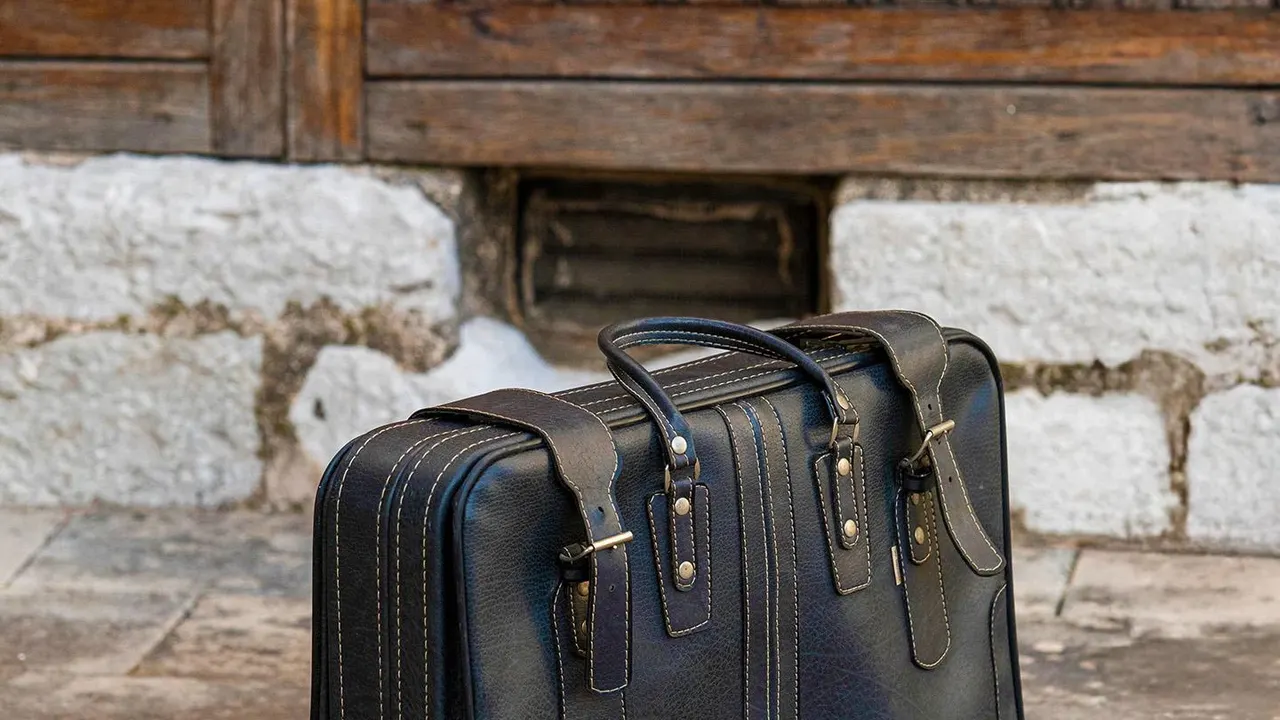
The first rule of monsoon packing is that one layer is never enough. Start by lining your primary luggage—be it a duffel bag or a backpack—with a heavy-duty garbage bag. This simple, low-cost trick is a favourite among seasoned bikers and travellers for
a reason: it provides a crucial internal barrier against water that might seep through zippers or fabric. Then, take it a step further by compartmentalising items inside. Use waterproof stuff sacks or compression bags for clothes. These not only keep garments dry but also help you organise and save space. This double-layer approach ensures that even if your main bag gets drenched during a sudden downpour while loading it into the car, your belongings inside remain perfectly dry.
Protect Electronics with Dedicated Dry Bags
Water is the mortal enemy of your expensive gadgets. Your phone, camera, laptop, and power banks need more than just a regular backpack pocket. The Indian monsoon's humidity, which can exceed 90%, is as dangerous as a direct splash, causing condensation inside devices. Invest in a set of dedicated waterproof pouches or small dry bags with roll-top closures. These create a sealed environment that moisture cannot penetrate. Ziplock bags are a decent alternative in a pinch, but they aren't as reliable for full protection. For ultimate peace of mind, especially for valuable camera gear or laptops, a high-quality waterproof backpack or a hard case is a worthy investment. Remember to always back up your data to the cloud before you leave.
Choose the Right Fabrics
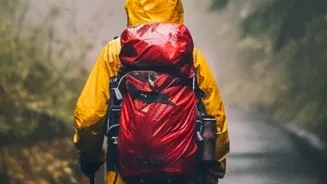
What you pack is as important as how you pack it. Heavy fabrics like denim and thick cotton are a nightmare in the monsoon. They absorb moisture, become incredibly heavy, and can take days to dry in high humidity, leading to a persistent damp smell. Instead, prioritise lightweight, quick-drying synthetic fabrics like polyester and nylon. These materials allow moisture to evaporate quickly, ensuring you’re not stuck with wet, uncomfortable clothes. Microfibre towels are another non-negotiable item; they are super absorbent and dry significantly faster than their cotton counterparts. A lightweight rain jacket or poncho is far more practical than an umbrella, which can be useless against strong winds and sideways rain.
The Power of Silica Gel Packets
Never throw away those little white packets that come with new shoes or electronics again. Silica gel packets are your secret weapon against the pervasive dampness of the monsoon. These desiccants absorb ambient moisture from the air, preventing that musty smell from developing inside your bags and protecting sensitive electronics from internal humidity damage. Sprinkle a few packets throughout your main luggage, inside your electronics pouch, and even in your bag of toiletries. This small step makes a huge difference in maintaining a dry micro-environment for your belongings, even when the air outside is saturated with moisture.
Create a 'Wet Zone' in Your Car
During a monsoon trip, you'll constantly be dealing with wet items: dripping umbrellas, muddy footwear, and damp raincoats. To prevent this moisture from spreading to your dry luggage and car interiors, designate a specific 'wet zone'. Place a waterproof mat or a large plastic sheet in your car's boot or on the floor behind the front seats. This becomes the designated spot for all wet gear. It’s also wise to pack an emergency 'wet kit'—a separate, easily accessible waterproof bag containing a microfibre towel and a change of clothes—so you can dry off and get comfortable quickly after being caught in a downpour, without having to rummage through your main luggage.
Invest in a Truly Waterproof Main Bag
While internal waterproofing offers great protection, your first line of defence is a bag designed to handle heavy rain. Many standard suitcases and backpacks are merely water-resistant, meaning their fabric and zippers will eventually let water in during a sustained downpour. For monsoon travel, consider investing in a genuinely waterproof duffel bag or backpack. These are often made from materials like PVC tarpaulin with welded seams and water-resistant zippers that prevent leakage. Brands popular in India like Wildcraft and Decathlon's Quechua line offer reliable options. A good dry bag is not only about keeping things dry but also about durability and ease of cleaning mud and grime off the exterior.