



Why We Chase the Shadow
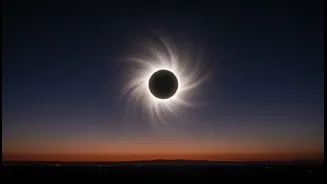
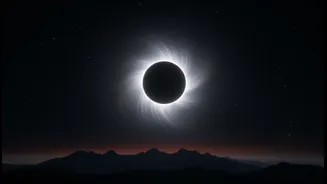
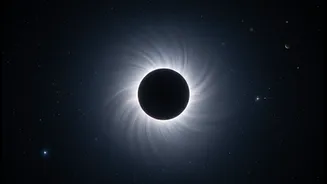
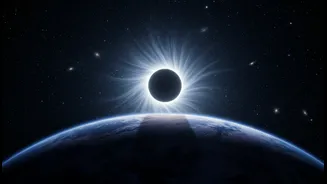
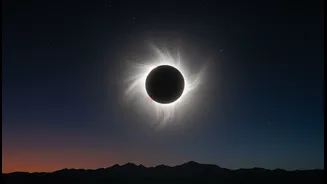
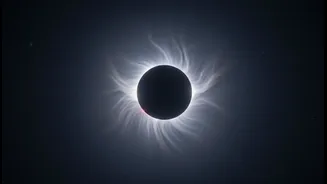
A total solar eclipse is unlike any other celestial event. For a few precious minutes, the Moon perfectly blocks the Sun, plunging a narrow strip of Earth into an eerie twilight. The air cools, stars may appear, and the Sun’s ethereal outer atmosphere,
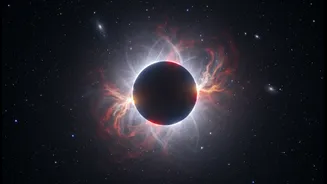
the corona, becomes visible to the naked eye. This ghostly white crown of light is a sight so profound that people, known as eclipse chasers, dedicate their lives to travelling the globe to stand within the path of totality. It’s an experience that connects you to the cosmos in a fundamental way. While India will not witness a total solar eclipse for several years, a spectacular trio of events across the globe from 2026 to 2028 presents a perfect opportunity for Indian enthusiasts to join this global community.
The Sunset Eclipse: Spain, August 12, 2026
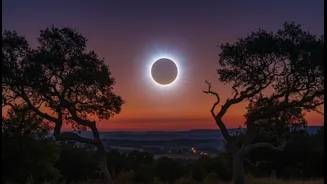
The first major event on the calendar is a total solar eclipse that will sweep across parts of Greenland, Iceland, and, most accessibly, northern Spain. What makes this eclipse unique is that for viewers in Spain, totality will occur just before sunset, offering the breathtaking and challenging prospect of a darkened Sun low on the western horizon. The path of totality will cross over vibrant cities like Valencia and the island of Mallorca. This provides a fantastic opportunity to combine a European holiday with a celestial spectacle. However, planning is key. You will need a clear, unobstructed view of the western horizon. With a relatively short duration of around two minutes, weather and location will be everything.
The Eclipse of the Century: Egypt, August 2, 2027
Get ready for the main event. The total solar eclipse of 2027 is being called the “eclipse of the century” for good reason. On this day, the Moon’s shadow will trace a path across southern Spain, Gibraltar, and North Africa. The star destination is Luxor, Egypt, where viewers on the centerline will experience a staggering 6 minutes and 23 seconds of totality—the longest on land until the year 2114. Imagine witnessing this cosmic marvel amidst the ancient temples and tombs of the Pharaohs. This region boasts excellent prospects for clear, sunny skies, making it a top choice for serious eclipse chasers. Given the historic setting and record duration, travel companies are already offering extensive tour packages, and it's expected to be a major global event.
The Great Australian Eclipse: Down Under, July 22, 2028
Completing the trio is a magnificent eclipse that will cross the entire continent of Australia, from the rugged Kimberley region in the west to the iconic city of Sydney in the east. This eclipse will offer over five minutes of totality in the remote outback, which promises some of the best weather prospects along the entire path. For those seeking a more urban experience, the path of totality will pass directly over Sydney, a rare event for a major global city. This makes it incredibly accessible, allowing you to witness totality with the Sydney Opera House as your backdrop. The eclipse then continues across to New Zealand’s South Island. For Indian travellers, Australia offers a familiar time zone and strong cultural connections, making it an excellent and relatively straightforward option for an eclipse expedition.
A Guide for Indian Eclipse Chasers
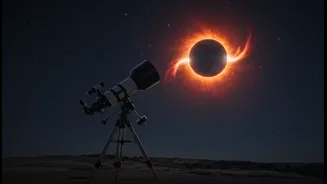
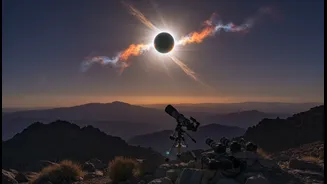
Inspired to go? Planning is crucial, as thousands of people will be heading to these same spots. Start your planning one to two years in advance. First, decide on a destination. Consider not just the eclipse, but also what else you’d like to do; that way, even if clouds spoil the view, the trip is still a success. Once you’ve picked a location, book your flights and accommodation immediately. Prices and availability for hotels in the path of totality can become challenging six months to a year out. Check visa requirements for Spain, Egypt, or Australia well in advance. For remote viewing spots, consider joining a guided tour. These tours often handle logistics, transportation on eclipse day, and access to prime viewing locations. Finally, pack for the location—and don’t forget folding chairs, sunscreen, and, most importantly, your eclipse glasses.
Viewing the Sun Safely
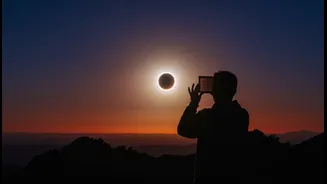
There is only one moment it is safe to look at a total solar eclipse without protection: the brief period of totality itself. During all partial phases—from the moment the Moon first touches the Sun’s disc until it is fully covered—you must use certified eclipse glasses or a solar viewer. Looking at the partially eclipsed Sun with the naked eye, sunglasses, or through a standard camera lens can cause permanent eye damage. Make sure your eclipse glasses are from a reputable vendor and are not scratched or damaged. With the right preparation and safety precautions, you can fully immerse yourself in one of nature’s most awe-inspiring sights.