




The Great Indian Kitchen Makeover
For generations, the Indian diet was largely defined by cereals. While providing essential calories, this focus left significant nutritional gaps. Today, that picture is evolving. A dietary transition is underway, with consumption patterns shifting away
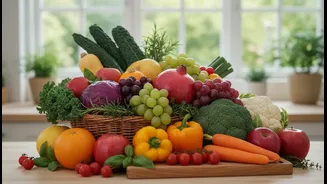
from a heavy reliance on cereals and sugar. Instead, there's a growing appetite for a wider variety of foods, including dairy products, fruits, vegetables, and animal-based proteins. This change is driven by several factors, including rising incomes, urbanization, and greater exposure to different food cultures. E-commerce platforms report surging demand for items like protein oats, cold-pressed oils, and nuts, with a significant portion of this growth coming from non-metro cities, indicating a widespread desire for healthier, value-added alternatives. This diversification of the food basket is a crucial first step, moving the national conversation from mere calorie sufficiency to broader nutritional quality.
Beyond Calorie Security: India's Triple Challenge
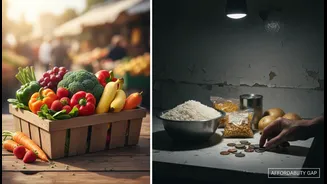
For decades, India's primary food policy goal was ensuring calorie security—making sure people had enough food to eat. This led to a focus on staple crops like rice and wheat through systems like the Public Distribution System (PDS). While this helped fight hunger, it inadvertently promoted a carbohydrate-heavy diet. Today, India faces a more complex problem known as the 'triple burden of malnutrition': the coexistence of undernutrition (stunting and wasting), overnutrition (obesity and related diseases like diabetes), and widespread micronutrient deficiencies, often called 'hidden hunger'. It's a paradox where a household might have a member who is underweight and another who is overweight, with both suffering from a lack of essential vitamins and minerals. Over half of Indian women are anaemic, and diet-related non-communicable diseases are a leading cause of death, making it clear that just counting calories is no longer enough.
The Problem with Single-Number Fixations
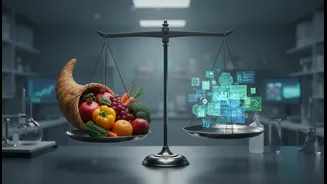
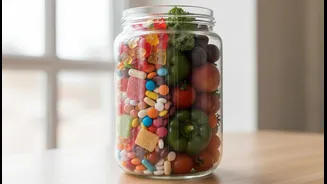
In response to these complex issues, there is a temptation to seek simple solutions, or 'single-number conclusions'. This often means focusing intensely on just one metric: increasing protein intake, cutting calories, or achieving a target BMI. While well-intentioned, this approach is flawed. For example, fixating on protein might lead people to consume more dal or curd, not realizing these foods also contain significant carbohydrates. Similarly, a narrow focus on weight loss through calorie restriction can miss the mark if the diet remains poor in essential micronutrients like iron, vitamin B12, and folate, deficiencies of which are rampant in India. A balanced diet is about the interplay of all nutrients. The goal isn't just to hit a protein target of 60 grams a day but to source it from a diverse range of foods that also provide fibre, vitamins, and minerals, moving from a nutrient-specific approach to a holistic, food-based one.
A Roadmap for a Balanced Plate
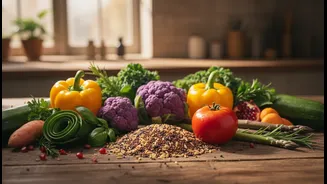
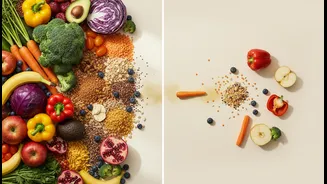
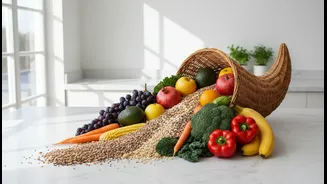
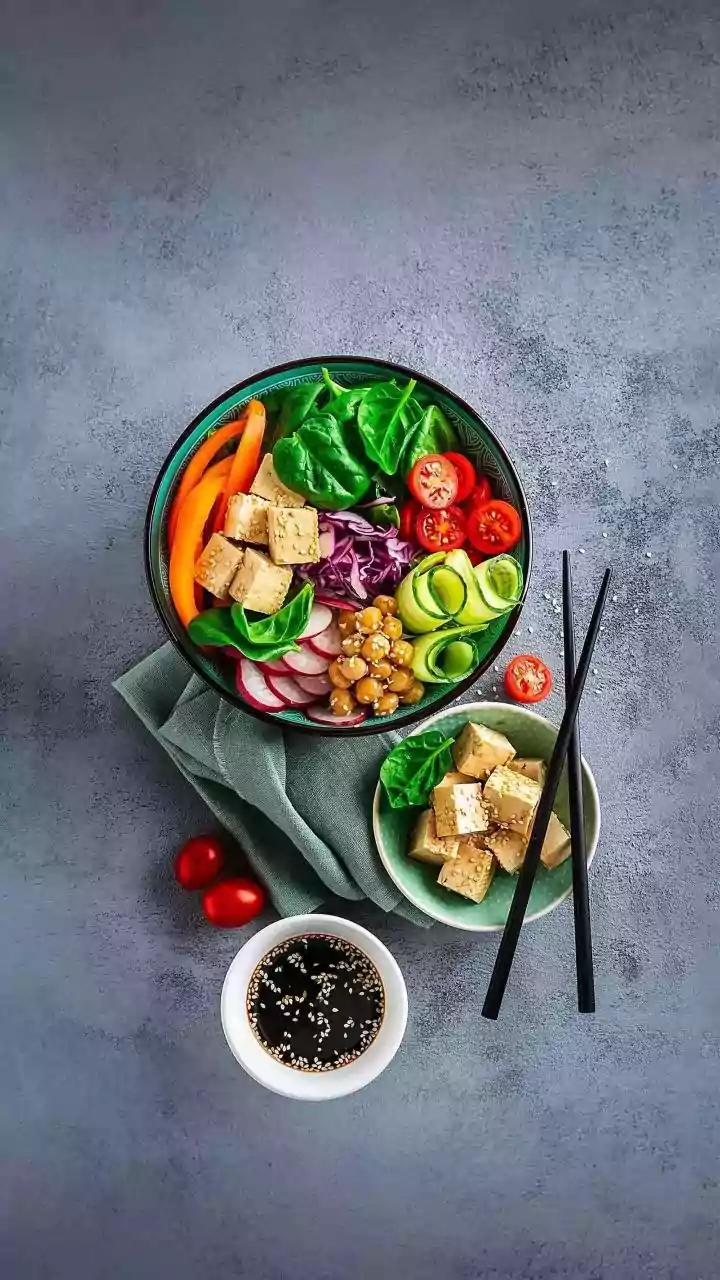
The real solution lies in embracing dietary diversity. The Indian Council of Medical Research (ICMR) recommends a balanced plate that includes a mix of cereals, pulses, dairy, fruits, vegetables, and protein sources. This doesn't require exotic ingredients but rather a conscious effort to incorporate a wider variety of local and seasonal foods into daily meals. For example, combining grains with pulses (like in khichdi or dal-roti) creates a complete protein. Integrating more coarse grains and millets, which are rich in fibre, can also help. Public health initiatives like POSHAN Abhiyaan are increasingly promoting this food-based approach. The key is nutritional literacy—empowering people to understand the value of a balanced meal rather than just tracking individual nutrients. It’s about rediscovering the wisdom of traditional Indian meals, which naturally combined various food groups, and adapting it for modern life.