The Impossible Succession
The problem began the moment Ferguson departed. His handpicked successor, David Moyes, inherited a title-winning squad but was ill-equipped for the sheer scale of the job. The 'fear factor' that defined United evaporated almost overnight. Moyes lasted
just 10 months. This initial failure set a chaotic tone for the years to come. The club then cycled through managers with wildly different philosophies: Louis van Gaal's rigid possession football, José Mourinho's pragmatic approach, Ole Gunnar Solskjær's culture reset, and the high-intensity pressing of Ralf Rangnick. This constant churn prevented any coherent long-term footballing identity from taking root. Each new manager dismantled the work of the last, leaving the team in a perpetual state of transition.
A Flawed Transfer Strategy
Compounding the managerial chaos was a disastrous recruitment policy. With Ferguson and chief executive David Gill gone, the club's transfer strategy became muddled. Led for years by executive vice-chairman Ed Woodward, the club prioritised big-name, commercially attractive signings over players who fit a specific tactical system. The club spent over a billion pounds, yet the squad remained unbalanced. Players were signed for one manager's vision only to be deemed unsuitable by the next. This resulted in a collection of expensive assets who didn't fit together, leading to high wage bills and difficulties offloading underperforming stars. The failure to secure key targets like Cesc Fabregas in 2013 or Frenkie de Jong in 2022 further highlighted the lack of a clear plan.
The Ownership Question
Many fans and critics point to the club's ownership as a root cause of the decline. The Glazer family's leveraged buyout in 2005 saddled the club with enormous debt, a burden it did not have before. Critics argue this model has prioritised financial extraction—taking dividends and management fees—over necessary investment in the team and infrastructure. For years, rivals like Liverpool and Manchester City built modern structures with sporting directors, while United lacked football-savvy leadership at the executive level. While commercial revenues soared, facilities like the Old Trafford stadium and the Carrington training ground were seen to be neglected until recent investment from new part-owner Sir Jim Ratcliffe.
The Struggle Continues in 2026
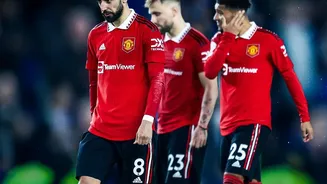
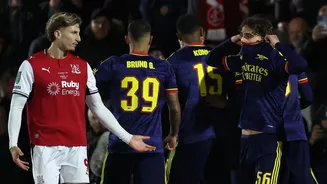
Thirteen years on, the problems persist. The 2026–27 season has seen another difficult start. After finishing a promising third in the previous campaign, the team under manager Michael Carrick has once again disappointed. A humbling 3–0 home defeat to Bournemouth in late October left United languishing in 16th place in the Premier League, with an eight–game winless streak across all competitions. Carrick's position is now under intense pressure, mirroring the fate of his many predecessors. Despite yet another attempted reset, the club's global reputation is fading, with observers noting that United are becoming a 'laughing stock' in Europe.