




The Private Space Gold Rush
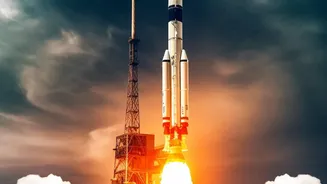
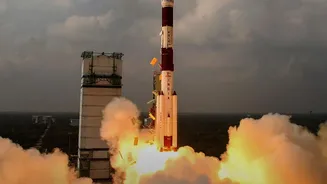
Until recently, India's space journey was almost exclusively led by the Indian Space Research Organisation (ISRO). However, policy reforms in 2020 opened the floodgates for private companies. Today, there are over 450 active space startups in the country,
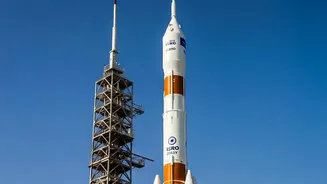
a huge leap from single digits just a few years ago. Companies like Skyroot Aerospace, which recently launched India's first privately built orbital rocket, Agnikul Cosmos, and Pixxel are now major players. This rapid expansion has turned the space sector into a hotbed for investment and, more importantly, job creation. The Indian space economy, valued at $8.4 billion, is projected to hit $44 billion by 2033, creating a massive demand for skilled professionals.
Data Analysts: The New Space Interpreters
Rockets and satellites are only half the story. The real value often lies in the enormous amounts of data they collect. This has created a surging demand for data scientists, GIS analysts, and remote sensing engineers. Companies like SatSure and Pixxel are not just launching hardware; they are building tools that use satellite imagery for everything from monitoring crop health for farmers to tracking environmental changes like methane leaks. These roles don't always require an aerospace degree. A background in data science, machine learning, or a specific domain like agriculture or urban planning can be a direct ticket into the space industry, making it one of the most accessible new career paths.
Space Lawyers and Policy Experts
With hundreds of new companies launching satellites and building space technology, a new legal and regulatory frontier is opening up. Who is responsible for space debris? What are the rules for commercial satellite deployment? These questions are creating a niche for space law and policy specialists. As the private sector grows, so does the need for experts who can navigate national and international regulations, manage contracts, and handle intellectual property. Government bodies like the Indian National Space Promotion and Authorisation Centre (IN-SPACe) also need policy experts to help shape the future of this bustling industry.
Manufacturing and Technician Roles
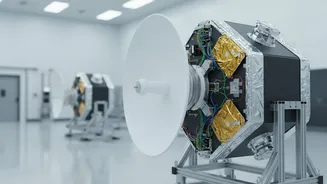
The glamour of launch day is built on the hard work of thousands of technicians and engineers in factories. The new space race is fuelling a manufacturing boom. Building a single rocket like Skyroot's Vikram-1 requires an all-carbon composite structure and 3D-printed engines. This creates jobs for mechanical engineers, electronics technicians, and specialists in advanced materials and 3D printing. As India aims to become a global hub for satellite manufacturing, the demand for skilled technicians who can build, test, and maintain complex hardware will only continue to grow. These roles are the backbone of the industry, turning designs into flight-ready reality.
Business Development and Marketing Professionals
Even the most advanced technology needs a strong business strategy to succeed. Space startups are aggressively hiring professionals in business development, marketing, finance, and human resources. These companies are not just competing on technology but also on securing investment, winning international contracts, and building a brand. Professionals who can translate complex technical capabilities into compelling value propositions for investors and customers are becoming invaluable. This trend is also attracting senior talent from other industries, who bring crucial experience in scaling businesses and navigating global markets.