




Why Monsoon Is the Perfect Start
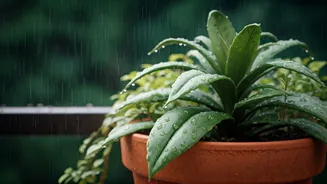
For many city dwellers, the idea of gardening conjures images of scorching sun and constant watering. The monsoon, however, flips that script. The season brings a welcome drop in temperature, higher humidity, and, of course, free watering from the skies.
This natural irrigation system reduces your workload and helps seeds germinate faster. The overcast skies protect delicate seedlings from the harsh sun, creating an ideal nursery-like environment on your balcony or windowsill. It’s a season of renewal, not just for the earth, but for our own ambitions to grow something green. The collective mood shift during the rains—a little slower, a bit more introspective—makes it the perfect time to nurture a new, rewarding hobby.
Your Monsoon Planting List
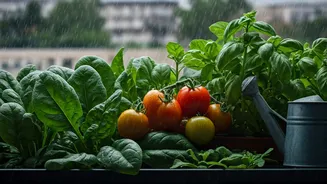
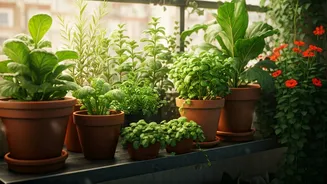
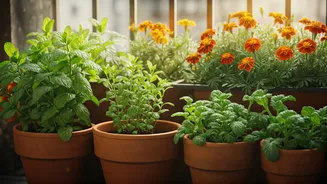
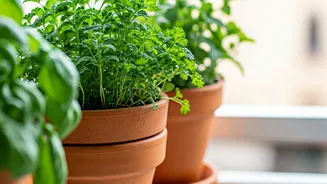
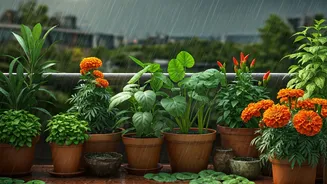
Not all plants love a downpour. The key to a successful monsoon garden is choosing varieties that thrive in moist, humid conditions. This is the prime season for leafy greens and robust vegetables. Consider planting spinach (palak), amaranth (chaulai), and fenugreek (methi), which grow quickly and can be harvested multiple times. It’s also an excellent time for vine vegetables like bottle gourd (lauki), ridge gourd (tori), and cucumber (kheera), as they love the moisture—just ensure you provide a trellis or support for them to climb. For a splash of flavour, herbs like mint, coriander, and basil do exceptionally well. If you’re looking for flowers, marigolds, zinnias, and balsam are hardy choices that add vibrant colour and can even help deter pests.
Beating the Monsoon Blues
While the rain is a blessing, too much of a good thing can cause problems. The biggest challenge during monsoon is waterlogging, which can lead to root rot. The solution is simple: drainage. Ensure every pot has at least one drainage hole at the bottom. You can also add a layer of broken terracotta pot pieces or small stones at the base before adding soil to improve water flow. Another common issue is the rise of pests and fungal diseases that flourish in the damp. To combat this, ensure good air circulation between your plants. A preventive spray of neem oil solution (a mix of neem oil, a mild liquid soap, and water) every 10-15 days can keep most pests and fungi at bay organically. Also, try to water the soil directly and avoid wetting the leaves too much, as this can encourage fungal growth.
The Right Setup for Your Space
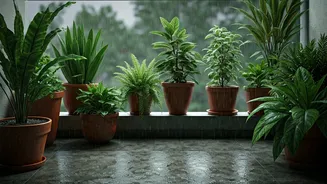
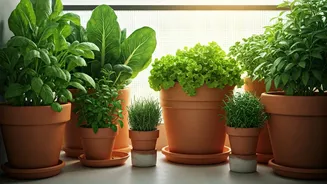
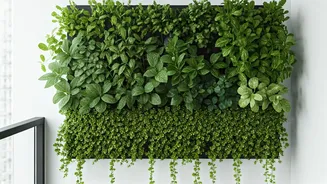
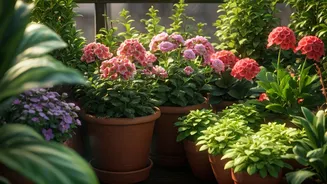
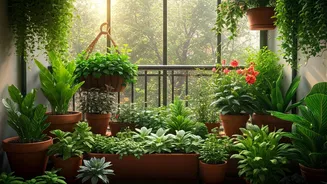
You don't need a sprawling lawn to create a green oasis. Urban gardening is all about making the most of what you have. For small balconies, think vertical. Use wall-mounted planters, tiered stands, or hanging baskets to maximise your growing area. Windowsills are perfect for small herbs and microgreens that don't require deep soil. When it comes to containers, terracotta pots are an excellent choice for the monsoon as their porous nature allows excess moisture to evaporate. For the soil, don't just use plain garden soil, which can become compacted and waterlogged. A good potting mix combines soil, cocopeat (for moisture retention), and compost (for nutrients). This blend stays light and airy, giving your plant roots the oxygen they need to breathe, even during heavy rains.
More Than Just a Harvest
The benefits of urban gardening extend far beyond the kitchen. The simple act of tending to plants—watching a seed sprout, nurturing a seedling, and finally harvesting your own food—is incredibly grounding. In our fast-paced urban lives, it offers a moment of quiet connection with nature. Studies have shown that gardening can reduce stress, improve mood, and boost mental well-being. It’s a gentle, mindful activity that provides a sense of purpose and accomplishment. Plus, there’s nothing quite like the taste of a tomato you’ve grown yourself or the fragrance of fresh coriander plucked right before cooking. It’s a small but powerful way to bring a little bit of nature, and a lot of joy, into your home.