






The Sobering New Reality
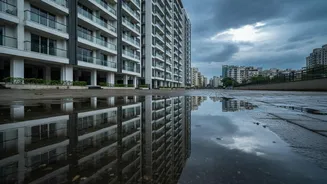
A recent study by Propsoch Research has put a number to a fear many Bengaluru residents hold: more than half of the city's new housing projects are at risk of flooding or waterlogging. The analysis of over 600 RERA-approved projects found that a staggering
53% are either built on or next to stormwater drains (nalas) or situated on low-lying land. This isn't a niche problem affecting a few unfortunate localities; the study covered major real estate hubs like Whitefield, Sarjapur Road, HSR Layout, and Hebbal. The findings confirm what recurring monsoon-season chaos has long suggested: unchecked urbanisation, particularly the encroachment of lakebeds and drainage channels, has put thousands of homes, including premium apartments, in jeopardy.
Beyond Granite Countertops
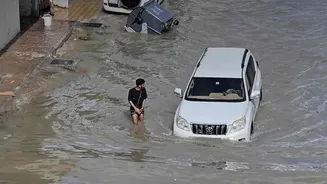
For years, the homebuying checklist in Bengaluru focused on amenities, carpet area, and builder reputation. However, the increasing frequency of severe waterlogging has made it clear that this approach is dangerously incomplete. A beautiful flat can become a literal island, with submerged basements trapping vehicles and ground-floor homes inundated with contaminated water. The value of a property is no longer just about its four walls. Experts and seasoned realtors now stress that the single most important question a buyer can ask is, "Does this area flood?". This shift in focus is a direct response to the hard lessons learned by residents in areas like Bellandur, Marathahalli, and Koramangala, where even luxury properties have not been spared.
The Homebuyer's New Due Diligence
So, how can a prospective buyer protect their investment and safety? The answer lies in expanding due diligence beyond the apartment itself. Before finalising a purchase, it's now critical to investigate the property's relationship with water. This includes checking BBMP's zonal maps for flood-vulnerable areas and the history of the land itself by consulting old Survey of India maps to see if the project sits on a former lakebed. Verifying that the building adheres to the legally mandated buffer zones from rajakaluves (stormwater drains) is paramount. A simple site visit during a heavy downpour can be more revealing than any brochure, showing how the local drainage and approach roads cope under stress. Consulting with existing residents in the area or the building can also provide invaluable, on-the-ground history of past waterlogging incidents.
A City-Wide Challenge
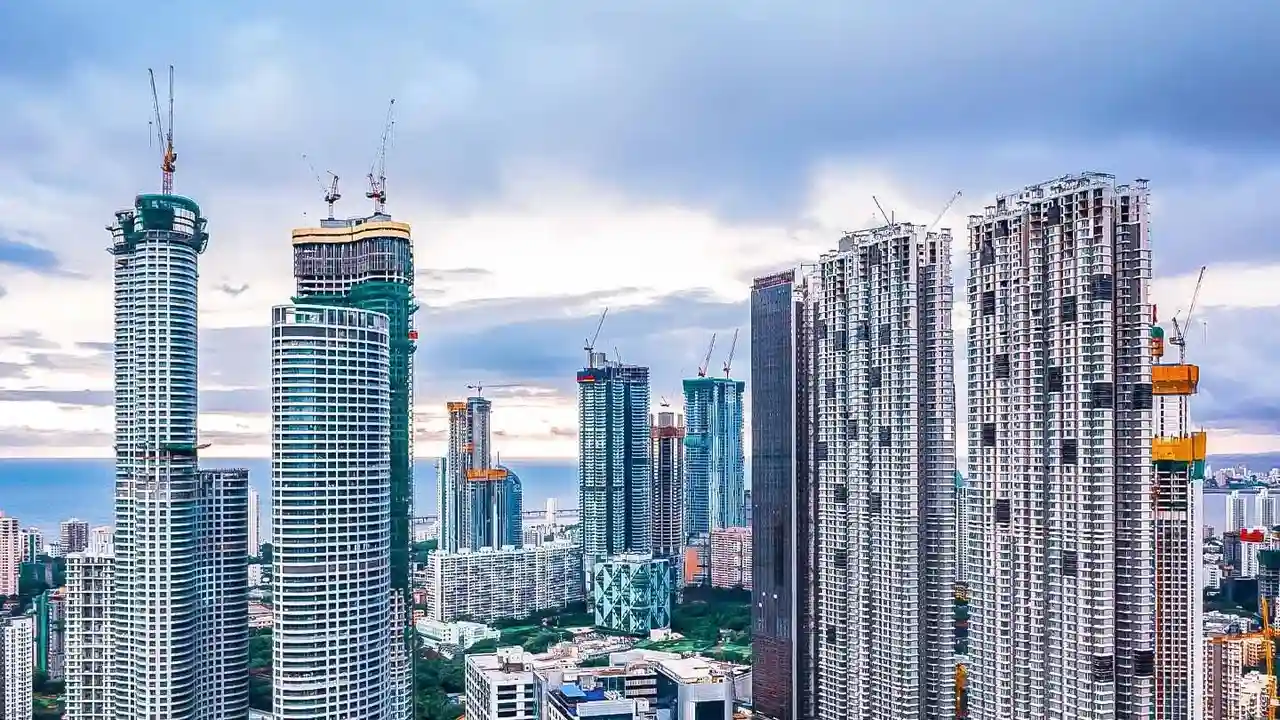
While individual buyers can become more vigilant, the problem of urban flooding is systemic. It's a consequence of decades of rapid, often unplanned, urban growth where infrastructure has failed to keep pace with construction. Bengaluru's built-up area has exploded, while its natural sponges—lakes and green spaces—have shrunk dramatically, leading to increased surface runoff. Experts argue that without a fundamental shift in urban planning, such as enforcing buffer zones, restoring lake connectivity, and making hydrological studies mandatory before approving new projects, the problem will only worsen. The responsibility cannot solely rest on the shoulders of the homebuyer; it requires a concerted effort from developers and civic authorities to prioritize resilient urban design over short-term gains.