





The Science of Fermentation
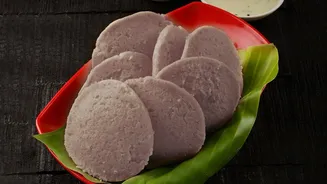
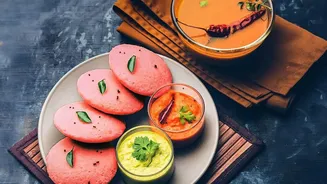
At its core, fermentation is a metabolic process where microorganisms like bacteria and yeast break down carbohydrates in the absence of oxygen. For idli and dosa batter, which is primarily a mix of soaked rice and lentils (urad dal), this process is initiated
by naturally occurring lactic acid bacteria. These beneficial microbes, particularly from genera like Leuconostoc and Weissella, get to work once the grains are ground into a paste and left to rest in a warm place. They consume the starches and sugars in the batter, producing lactic acid and carbon dioxide gas. The lactic acid gives the batter its characteristic tangy flavour and acts as a natural preservative, while the carbon dioxide bubbles cause the batter to rise, creating the light, airy texture of idlis and the delicate crispness of dosas.
Unlocking Trapped Minerals
One of the most significant nutritional benefits of fermentation is its ability to break down 'anti-nutrients'. Grains and legumes contain a compound called phytic acid, which binds to essential minerals like iron, zinc, and calcium. This binding action prevents our bodies from absorbing these crucial nutrients. During fermentation, however, the microorganisms produce enzymes called phytases. These enzymes effectively dismantle the phytic acid, liberating the minerals and making them bioavailable — meaning our bodies can actually absorb and use them. Studies have shown that fermentation can significantly reduce the phytic acid content, leading to an increase in the availability of iron and zinc, which are vital for preventing anaemia and supporting immune function.
A Natural Boost in B Vitamins
Fermentation is also a natural vitamin factory. The hardworking microbes in the batter synthesize a range of B vitamins as they multiply. The process has been shown to increase the levels of thiamine (B1), riboflavin (B2), and folic acid (B9). More impressively, these bacteria can produce Vitamin B12, a nutrient that is crucial for nerve function and the formation of red blood cells. Since Vitamin B12 is predominantly found in animal products, fermented foods like idli and dosa can be a valuable source for vegetarians and vegans. This enrichment turns a simple meal of rice and lentils into a more nutritionally complete one.
Improving Digestibility and Gut Health
The fermentation process essentially pre-digests the food for you. The microbes break down complex carbohydrates and proteins into simpler, more easily digestible forms. This reduces the workload on your digestive system, which is why fermented foods are often described as being light on the stomach and less likely to cause bloating. Furthermore, the lactic acid bacteria that drive the fermentation are themselves beneficial for our gut. By consuming these foods, you introduce beneficial microbes to your digestive tract, which can help maintain a healthy gut microbiome, a cornerstone of overall health and a strong immune system.