






Why Humidity Wrecks Your Sleep
Our bodies have a natural process for sleep, which includes a slight drop in core body temperature to initiate and maintain rest. We cool down primarily through sweat evaporating from our skin. However, when the air is already saturated with moisture
— as it is during the rainy season — our sweat can't evaporate effectively. This traps heat, making you feel hot, sticky, and uncomfortable. Your body has to work harder to cool down, which can lead to increased wakefulness and prevent you from reaching the deeper, more restorative stages of sleep, like REM and slow-wave sleep. This disruption doesn't just make you feel tired; it can impact memory consolidation and physical recovery that happen during these crucial sleep phases.
The Ideal Sleep Environment
According to experts, the ideal relative humidity for sleeping is between 30% and 50%. This range is low enough to allow for natural body cooling and to discourage the growth of common allergens like mould and dust mites, which thrive in damp conditions. During the Indian monsoon, outdoor humidity often soars well above 70-80%, and without proper management, indoor levels aren't far behind. This excess moisture in the air can exacerbate respiratory issues for those with allergies or asthma, further disrupting sleep. Using a simple device called a hygrometer can help you measure the humidity level in your bedroom and take steps to bring it into the optimal range.
Ventilation and Air Circulation
One of the simplest ways to combat humidity is by improving air circulation. On days when the outside air feels less damp, opening windows and doors for even a short period can help flush out moist, stagnant air. Using fans—whether ceiling, pedestal, or exhaust—is also crucial. A ceiling or pedestal fan helps create a breeze that aids in sweat evaporation, making you feel cooler. Don't forget the exhaust fans in your bathroom and kitchen. Running the bathroom exhaust during and after a shower, and the kitchen chimney while cooking, helps vent moisture-laden air directly outside before it can spread through your home.
Smart Use of Appliances
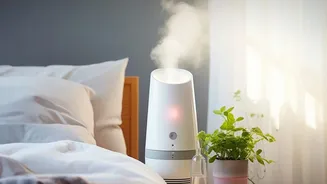
If you have an air conditioner, you have a powerful dehumidifying tool. Many modern AC units have a 'Dry Mode' specifically designed to remove excess moisture from the air without over-cooling the room. This can be more energy-efficient and comfortable than running the AC on its regular cooling mode all night. For those in extremely humid areas, a dedicated dehumidifier is an excellent investment. These appliances work by pulling moisture out of the air, helping you maintain that ideal 30-50% humidity level for a comfortable and healthy sleep environment.
Choose Your Fabrics Wisely
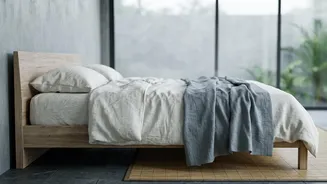
The materials you sleep on and in can make a huge difference. Opt for bedding and sleepwear made from natural, breathable fabrics like cotton, linen, or bamboo. These materials are excellent at wicking moisture away from your skin, helping you stay drier and cooler. Avoid synthetic fabrics like polyester or satin for your sheets and pyjamas, as they tend to trap heat and moisture, leading to a sticky, clammy feeling that is sure to disturb your rest.
Simple Lifestyle Adjustments
A few small changes to your evening routine can also promote better sleep. Taking a lukewarm or cool shower before bed can help lower your body temperature and wash away sweat, leaving you feeling fresh and ready for sleep. Be mindful of household activities that generate moisture, such as drying clothes indoors or boiling water for long periods in the evening. You can also try natural moisture absorbers; placing bowls of rock salt or charcoal briquettes in the corners of your room can help pull some excess dampness from the air.