




Person-to-Person (P2P): The Foundation of Free
The simplest answer is that for the vast majority of users, UPI remains free. The core of this promise lies in Person-to-Person (P2P) transactions. When you send money to a friend, pay your domestic help, or transfer funds to a family member, you are
making a P2P payment. The National Payments Corporation of India (NPCI), which operates UPI, has consistently ensured that these transactions carry no charge for either the sender or the receiver. This applies regardless of the transaction amount, up to the daily limits set by your bank. This commitment to free P2P transfers has been fundamental to UPI's explosive growth, as it provides a no-cost digital alternative to cash for everyday exchanges between individuals.
Paying Merchants (P2M): Mostly Free for You
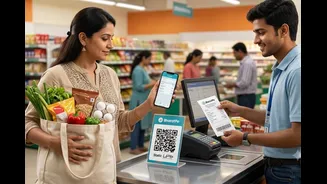
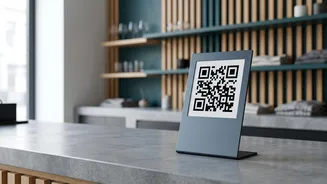
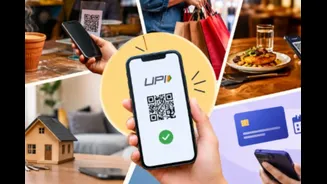
When you scan a QR code at a local shop, pay an online retailer, or settle a utility bill, you are making a Person-to-Merchant (P2M) payment. For the customer, the good news continues: these transactions are also free. Recent clarifications from the government and NPCI have reaffirmed that customers will not be charged for making UPI payments to businesses. The cost structure, where it exists, operates behind the scenes and is designed to be shouldered by the merchants, not you.
The Exception: Merchant Discount Rate (MDR)
The confusion around UPI charges stems from the introduction of a Merchant Discount Rate (MDR). This is a fee that applies only to certain P2M transactions. According to new guidelines effective from October 15, 2026, a 0.4% MDR is levied on P2M transactions exceeding ₹2,000. However, this is not a blanket rule. Firstly, this fee is paid by the merchant for the service of accepting digital payments; it is not a direct charge on the customer. Secondly, it only applies to larger transactions, as payments up to ₹2,000 remain exempt, covering what NPCI estimates to be over 95% of all merchant transactions by volume.
Who Really Pays the Fee?
The MDR is a fee paid by merchants to the banks and payment service providers that facilitate the transaction. It helps cover the costs of maintaining the vast UPI infrastructure, including technology, cybersecurity, and innovation. The government has explicitly advised banks to ensure merchants do not pass this cost on to customers. Furthermore, small merchants are largely protected. Those receiving up to ₹1 lakh per month via UPI QR codes are exempt from MDR, safeguarding neighbourhood shops and street vendors from these charges.
The PPI Wallet Distinction
An older but related rule involves payments made via Prepaid Payment Instruments (PPIs), such as digital wallets. When a customer pays a merchant an amount over ₹2,000 using a PPI wallet linked to UPI, an interchange fee (a type of MDR) of up to 1.1% may apply. Again, this is a cost for the merchant, not the customer. The key takeaway is the payment source: transactions made directly from a bank account via UPI do not trigger this specific PPI-related fee, regardless of the amount. The charges are specifically for transactions routed through wallets, which constitute a very small fraction of total UPI transactions.
What This Means For Your Daily Use
For the average user, nothing has changed. You can continue to send money to individuals and pay for most of your daily purchases at stores without worrying about fees. The system is designed so that the overwhelming majority of transactions remain free for everyone involved. The introduction of a structured MDR for high-value merchant payments is a move to ensure the long-term financial sustainability of the UPI ecosystem, allowing it to grow and remain secure without putting the burden on consumers.