




An Icon of Indian Summer
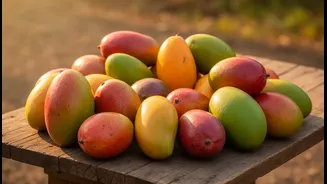
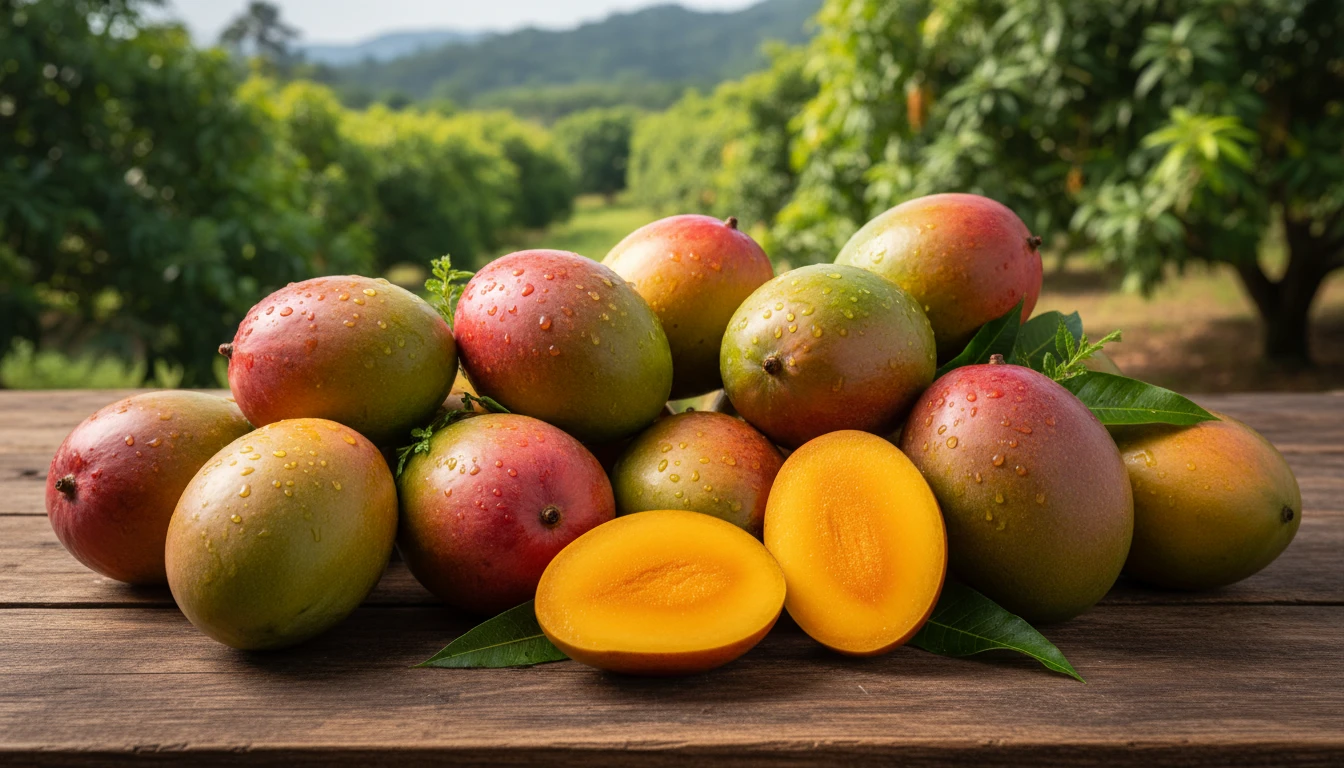
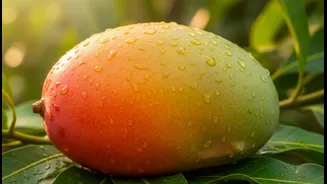
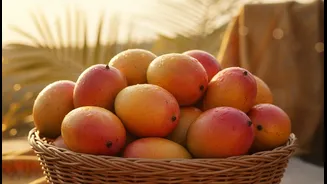
When the mercury rises across India, it signals the arrival of a season defined not just by heat, but by the near-universal adoration for mangoes. This fruit is deeply woven into the fabric of Indian life, acting as a symbol of prosperity, love, and abundance
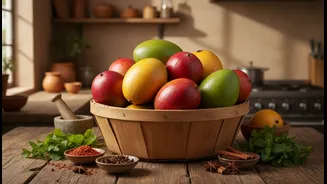
in mythology, art, and religious rituals. Mango leaves adorn doorways during celebrations, and the fruit itself is a fixture of summer meals, from tangy raw mango dals to the sweet, golden pulp of aamras. It's more than just a fruit; it's a shared cultural experience, a flavour that evokes childhood memories, family gatherings, and the simple joys of the season.
A Library of Flavours at Risk
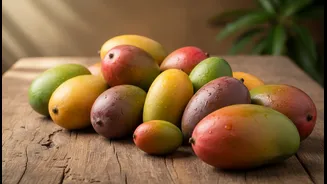
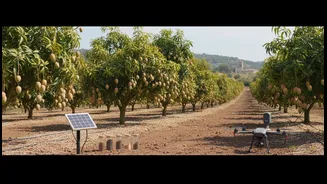
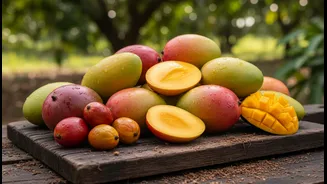
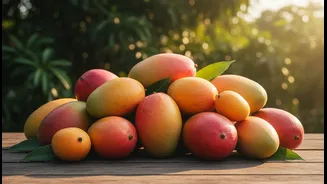
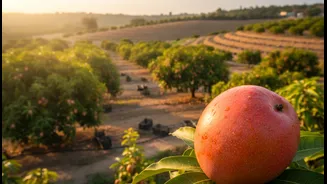
While most city dwellers might name only a handful of mango varieties like Alphonso or Langra, India is home to over a thousand unique types. This incredible biodiversity is a living library of flavours, textures, and aromas cultivated over millennia. However, with the commercial focus on a few profitable varieties, many traditional, heirloom, and non-commercial types are at risk of disappearing. These lesser-known mangoes, often conserved by dedicated custodian farmers in multi-generational orchards, are crucial for genetic diversity but struggle to find a market.
How Festivals Champion Conservation
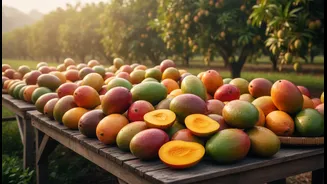
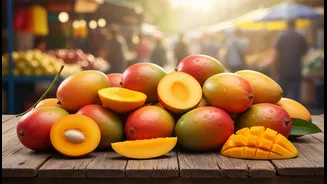
This is where mango festivals play a critical, unsung role. Events like the International Mango Festival in Delhi or the Konkan Fruit Fest in Goa are not just for tourists; they are vibrant marketplaces and forums for biodiversity. These festivals provide a platform for farmers to showcase and sell dozens, sometimes hundreds, of rare and indigenous varieties that would otherwise be ignored by large-scale commercial supply chains. By creating a direct connection between growers of lesser-known fruits and curious consumers, these events generate economic incentives for farmers to continue cultivating diverse, traditional orchards.
A Hub for Knowledge and Community
Mango festivals are more than just a market; they are a hub for the exchange of knowledge. They bring together farmers, agricultural scientists, government agencies, and the public. This gathering allows for discussions on modern cultivation techniques, sustainable farming practices, and the challenges facing growers. For visitors, it's an education, transforming their understanding of the mango from a simple commodity into a subject of immense variety and heritage. For farmers, it is an opportunity to gain recognition, learn from experts, and feel part of a larger community dedicated to preserving this agricultural legacy.
Celebrating the Heartbeat of Summer
Ultimately, the power of a mango festival lies in its ability to blend conservation with cultural celebration. The joy of tasting a new variety, the excitement of mango-eating competitions, and the sight of hundreds of types of the same fruit on display reinforce its importance in the public imagination. These events celebrate the work of the farmers who act as guardians of this biodiversity and remind us that culture and nature are deeply intertwined. Festivals ensure that the diverse tastes of the Indian summer are not lost to time, securing both the fruit and the traditions surrounding it for future generations.