






The New Visa-Free Policy Explained
In a recent decision, the Thai cabinet confirmed that visa-free entry for Indian passport holders will continue. This move reverses earlier discussions about scrapping the scheme, which had caused confusion and a dip in arrivals from India. Under the new,
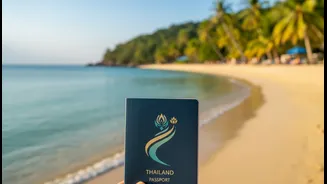
clarified rules, Indian tourists can enter Thailand without a visa and stay for up to 30 days. This decision was made to better align with the typical travel patterns of Indian visitors, who are the third-largest group of tourists to Thailand, and to support the nation's vital tourism sector. The new policy aims to provide clarity and stability for travellers after a period of uncertainty.
From 60 Days to a 30-Day Window
This new 30-day stay is a change from the temporary 60-day visa-exempt period that was previously in effect for tourists from 93 countries, including India. That broader scheme is being replaced with a more structured system. While the stay has been reduced from 60 to 30 days, the good news is that the much-feared alternative—reverting to a paid Visa on Arrival with only a 15-day stay—has been avoided. For most holidaymakers, a 30-day window is more than sufficient. Official data shows that the average stay for Indian tourists is around 7.2 days, making the new allowance generous enough for a comprehensive tour of the country.
Why The Change? Balancing Tourism and Security
The Thai government's decision is part of a broader overhaul of its visa policies. The previous 60-day visa-free scheme for 93 countries was reportedly being reviewed due to concerns about some visitors overstaying or misusing the system for activities other than tourism. By standardising the visa-free period to 30 days for a revised list of 59 countries, including India and all 27 EU member states, authorities aim to strike a balance. The goal is to continue promoting tourism, a cornerstone of the Thai economy, while also strengthening security and ensuring immigration rules are followed. The government responded to a nearly 20% drop in Indian arrivals following the earlier confusing announcements, demonstrating the importance of the Indian market.
What You Need for a Smooth Entry
While you won't need a pre-approved visa sticker in your passport, there are still standard requirements for entry into Thailand. Travellers should ensure their passport has at least six months of validity from their date of entry. You will also likely need to provide proof of a confirmed return or onward flight ticket departing within your 30-day permitted stay. It is also standard practice for immigration officers to ask for proof of accommodation and sufficient funds for your trip. Another key requirement is the Thailand Digital Arrival Card (TDAC), which must be completed online before you travel. This system is being enhanced to improve the screening process for all foreign visitors.
Making the Most of Your 30-Day Adventure
A 30-day stay offers a fantastic opportunity to explore Thailand beyond the usual hotspots of Bangkok and Phuket. You can plan a more relaxed, in-depth itinerary. Consider exploring the northern mountains around Chiang Mai and Chiang Rai, venturing into the national parks of Khao Sok, or hopping between the lesser-known islands in the Andaman Sea. This extended timeframe allows for 'slow travel,' giving you the chance to immerse yourself in local culture, enjoy the world-renowned cuisine without rushing, and perhaps even take a short course in cooking or diving. It’s an ideal duration for a multi-city trip, combining bustling urban centres with serene beaches and lush countryside.