





1. It Provides a Gentle Nutrient Boost
Rice water contains small amounts of essential macronutrients that plants need: nitrogen (N), phosphorus (P), and potassium (K). While not a replacement for a balanced fertilizer, it acts as a mild, natural supplement. Nitrogen supports leafy green growth,
phosphorus is crucial for strong root systems and flower development, and potassium aids in overall plant vigour and disease resistance. This makes it a great option for giving plants a gentle boost without the risk of the chemical burn that can sometimes occur with stronger, synthetic fertilizers.
2. It Promotes Healthier Root Zone Activity
The key benefit of rice water lies in its starch content. This starch provides carbohydrates that serve as a food source for beneficial microorganisms in the soil, like bacteria and mycorrhizal fungi. When these microbes thrive, they help improve the soil's ecosystem, which in turn enhances the plant's ability to absorb nutrients more efficiently. Some studies have shown that this enhanced microbial activity contributes to better root development, creating a stronger foundation for the entire plant. This is especially true with fermented rice water, which introduces even more beneficial bacteria like lactobacilli.
3. It's an Eco-Friendly and Cost-Effective Choice
In a world where sustainability is increasingly important, using rice water is a perfect example of upcycling kitchen waste. For households where rice is a staple food, this provides a constant and completely free source of mild fertilizer. Instead of discarding a nutrient-rich byproduct, you are returning those nutrients to the earth in your garden or pots. This reduces waste and lessens the reliance on commercially produced fertilizers, which have a larger environmental footprint. It is a simple, zero-cost way to make your gardening practices a little greener.
4. It Can Improve Soil Structure
The carbohydrates and starches present in rice water can, in moderation, help improve the soil's condition. As beneficial bacteria break down these starches, they can help create a better soil structure. This can lead to improved aeration and water retention, preventing the soil from becoming too compacted. However, it's important to use rice water sparingly. Excessive use can have the opposite effect, creating a starchy crust on the soil surface that may block oxygen and water from reaching the roots. Moderation is key to reaping this benefit.
5. It May Help Deter Some Pests
While not a powerful insecticide, some evidence suggests that using fermented rice water can indirectly help with pest control. The fermentation process supports certain beneficial fungi in the soil. One specific fungus, Metarhizium anisopliae, is a known biological control agent that can help manage common pests like aphids and thrips. This benefit is an indirect result of fostering a healthier, more complex soil biome, rather than the rice water itself acting as a repellent. This makes it a subtle but valuable part of an integrated pest management strategy.
How to Make and Use Rice Water
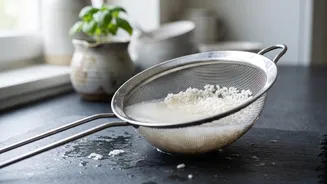
There are three main ways to prepare rice water: from rinsing, soaking, or fermenting. The simplest method is to collect the cloudy water from the first rinse of uncooked rice. This can typically be used immediately without dilution. For a more potent version, you can ferment the rinse water. To do this, let the cloudy water sit in a loosely covered jar at room temperature for two to three days until it develops a slightly sour smell. Fermented rice water is more nutrient-dense but should be diluted, often with a 1:1 or even 1:10 ratio of rice water to plain water, before use. As a general rule, use rice water on your plants no more than once every two to three weeks to avoid issues like mold or attracting pests. Always use unsalted water, as salt can damage plant roots.