








The Science of the Slump
We've all been there: you finish a satisfying lunch, and about an hour later, your eyelids feel heavy, your focus wanes, and all you want is a nap. This isn't just in your head. This classic afternoon slump is often linked to your body's response to the food
you've just eaten, particularly meals high in carbohydrates. When you consume carbs, your body breaks them down into glucose, which enters your bloodstream to be used as energy. This causes a natural rise in blood sugar. In response, your pancreas releases insulin to help transport that glucose into your cells. However, a large or carb-heavy meal can cause a rapid spike in blood sugar, followed by a significant insulin release that can cause your blood sugar to drop quickly, leading to feelings of fatigue and sluggishness.
Walking: Your Secret Weapon
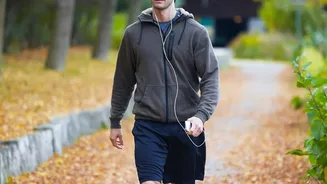
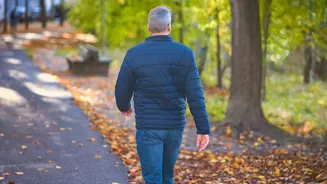
This is where a post-meal walk works its magic. When you engage in light physical activity like walking, your muscles need energy. They pull glucose directly from your bloodstream to fuel their contractions. This process helps to lower your blood sugar levels more gradually and reduces the size of the glucose spike after your meal. Think of it as giving the sugar from your meal an immediate job to do, rather than letting it linger in your bloodstream. By blunting this spike, you also avoid the subsequent crash, which helps keep your energy levels more stable and consistent throughout the afternoon. Studies have shown that even a few minutes of walking can make a significant difference.
How to Do It Right
The key to reaping these benefits is timing and consistency, not intensity. Research suggests that walking immediately or very soon after finishing your meal is most effective. One study found a 10-minute walk right after a meal was highly effective at lowering the subsequent glucose peak. You don't need a strenuous power walk; a light, comfortable pace is all it takes. The goal is gentle movement, not a workout. Aim for a 10 to 15-minute stroll. Even just two to five minutes of walking can be beneficial. If you work in an office, this could be a walk around the block, a few laps around your building, or even just pacing in a conference room. The important part is to get up and move shortly after you finish eating.
More Than Just Blood Sugar
The benefits of a post-lunch stroll extend beyond just energy levels. Light walking stimulates your digestive system, which can help reduce feelings of bloating and discomfort after a meal. This gentle movement promotes peristalsis, the wave-like muscle contractions that move food through your digestive tract. Regular post-meal walks also contribute to better overall metabolic health. By improving your body's insulin sensitivity over time, this simple habit can play a role in managing weight and reducing the long-term risk of conditions like type 2 diabetes. Plus, stepping away from your desk for a few minutes can serve as a mental reset, reducing stress and improving clarity for the rest of your workday.
Making It a Daily Habit
Integrating a post-meal walk into your routine doesn't have to be complicated. Start small. If 15 minutes feels like too much, begin with five. The most important thing is to build a consistent habit. If you work from home, use the time to walk around your garden or neighborhood. In an office setting, ask a colleague to join you; turning it into a social activity can help with accountability. If weather or time constraints make an outdoor walk impossible, even walking up and down a few flights of stairs or pacing around your office space can provide similar benefits. The easier you make it for yourself, the more likely you are to stick with it and turn this simple action into a powerful tool for your daily well-being.