






The Great Debate: Movement vs. Rest
We’ve all been there: after hours spent hunched over a desk or a long, stressful day, our bodies feel tight and achy. The siren song of the sofa is strong, promising relief through complete and total rest. While rest is crucial for recovery, it doesn't
do much to actively improve your flexibility. In fact, staying still for too long can sometimes contribute to stiffness. The alternative isn't an intense workout; it's a gentle, controlled practice called active mobility. This approach involves using your own muscle strength to move your joints through their full range of motion. Unlike passive stretching, where you rely on an external force (like gravity or a strap), active mobility is about teaching your body to control its own movement, which builds both strength and flexibility simultaneously.
What Exactly Is Active Mobility?
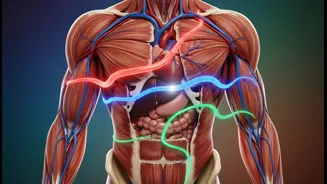
Think of mobility as the intersection of flexibility, strength, and control. Flexibility is simply a muscle's ability to lengthen, but mobility is your ability to use that length in a functional way. An 'active mobility workflow' is just a sequence of exercises designed to improve this control. These aren't strenuous movements. Instead, they are deliberate and gentle, such as arm circles, leg swings, or spinal rotations. The goal is to warm up the joints and muscles, increase blood flow, and enhance the communication between your brain and your muscles. This process improves your body's awareness of its position in space, leading to better coordination and balance in your daily activities.
Why Active Movement Beats the Couch
Resting on the sofa is a passive activity. It allows your muscles to relax but doesn't challenge them or your joints to move. Active mobility, on the other hand, provides a host of benefits that passive rest can't match. It lubricates the joints by stimulating synovial fluid, which reduces friction and wear. This controlled movement also strengthens the muscles surrounding the joints, providing better stability and reducing the risk of injury. Research shows that dynamic, active movements prepare the muscles for activity, increasing blood flow and muscle temperature, which makes them more pliable. In contrast, prolonged static stretching—or simply not moving at all—can sometimes temporarily decrease muscle power and responsiveness. By actively moving, you are creating flexibility that your body can actually use, making everything from squatting to pick something up to reaching for an item on a high shelf feel easier and safer.
A Simple Workflow to Get You Started
Getting started with active mobility doesn't require a gym membership or fancy equipment. You can do it right in your living room in just a few minutes. Try this simple workflow instead of your next sofa session: 1. Cat-Cow: Start on your hands and knees. Inhale as you drop your belly and look up, arching your back. Exhale as you round your spine, tucking your chin to your chest. Repeat for 8-10 cycles to gently mobilize your spine. 2. Hip Circles: Standing with your hands on your hips, slowly make large circles with your hips, first clockwise and then counter-clockwise. This lubricates the hip sockets, which can get tight from sitting. 3. Thoracic Spine Rotations: While on all fours, place one hand behind your head. Rotate that elbow up toward the ceiling, opening your chest. Return to the start and repeat 8-10 times per side. This helps undo the slouching posture many of us adopt. 4. Leg Swings: Holding onto a wall for support, gently swing one leg forward and backward, and then side to side. This dynamically stretches the hamstrings, hip flexors, and adductors.
Making Mobility a Lasting Habit
The key to seeing real improvements in your flexibility and movement quality is consistency. Aim to incorporate a short, 5-10 minute mobility routine into your day. It's an ideal way to warm up before a workout, but it's also incredibly beneficial as a way to break up long periods of sitting or to wind down at the end of the day. Instead of viewing it as another chore, think of it as a form of active recovery that helps your body feel better and move more freely. By trading just a few minutes of passive couch time for an active mobility workflow, you invest in your long-term joint health, reduce aches and pains, and improve your body's ability to handle whatever life throws its way.