





Ranthambore’s Timeless Appeal
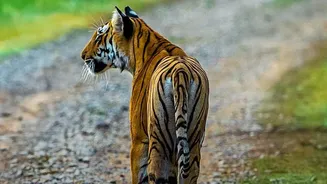
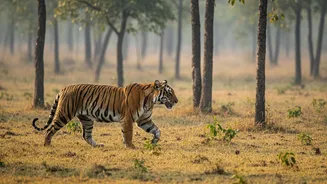
For decades, Ranthambore National Park has been the crown jewel of India’s wildlife tourism circuit. Its combination of majestic tigers, ancient ruins, and dramatic landscapes creates an unparalleled experience. The recent advance booking for the October
to December 2026 season saw nearly 40,000 registrations pour in within just two hours, a testament to its magnetic pull. This overwhelming interest, which includes a significant number of foreign tourists, puts immense pressure on the park’s limited resources and highlights the challenge of providing a quality experience while ensuring conservation.
The Standard Safari: A Three-Hour Window
The typical Ranthambore safari is a well-defined event. Visitors are allocated a slot in either the morning or the evening, each lasting approximately three to three-and-a-half hours. The timings are adjusted seasonally, aligning with sunrise and sunset to maximise wildlife viewing opportunities. The park is divided into ten zones, and vehicles are generally assigned a specific zone to explore, a measure intended to distribute tourist traffic evenly. While this system provides structure, its rigidity can be a source of frustration for visitors who may desire more or less time in the park, depending on their interests and schedule.
The Push for New Formats
The discussion around introducing shorter, two-hour safaris stems from a desire to cater to a wider range of tourists. Proponents argue that such a format could accommodate visitors on a tighter schedule or budget, offering a brief but fulfilling glimpse into Ranthambore's wilderness. Theoretically, it could allow for more visitor rotations per day, potentially increasing revenue for the park and local businesses. This model could appeal to travellers who are passing through Sawai Madhopur and want to add a quick safari to their itinerary without committing to a half-day excursion. However, this idea remains a point of debate among stakeholders.
Flexibility at a Premium: The Full-Day Experience
While shorter safaris are being discussed, Ranthambore has already experimented with longer, more flexible options for the serious wildlife enthusiast. The park has offered exclusive, albeit limited, 'Half Day' (six-hour) and 'Full Day' (twelve-hour) safaris. These premium options allow a very small number of jeeps zone-free access, giving photographers and dedicated trackers the freedom to follow wildlife across different areas of the park from sunrise to sunset. This existing flexibility, available to those willing to pay a higher price, demonstrates that the park administration is aware of the demand for varied experiences beyond the standard three-hour trip.
The Core Conflict: Commerce vs. Conservation
Any change to safari duration or frequency must be weighed against its ecological impact. Ranthambore is often described as a victim of its own success, with a booming tourism industry that threatens to overwhelm the very ecosystem it depends on. Conservationists raise valid concerns that increasing the number of vehicles, even for shorter durations, could heighten stress levels in the tiger population and lead to further habitat degradation. The constant presence of safari vehicles can alter animal behaviour and disrupt natural patterns. Revenue from tourism is crucial for funding conservation efforts and supporting local communities, but finding the right balance is the park’s most pressing challenge.