





The City That Never Cools
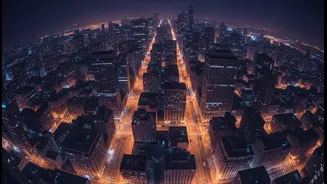
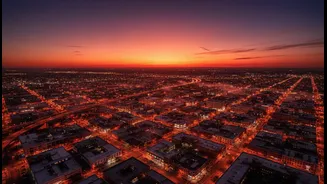
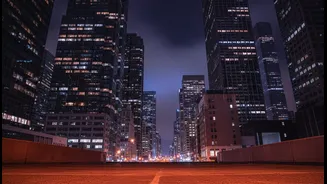
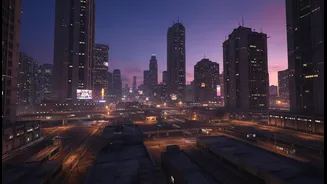
The phenomenon is known as the urban heat island (UHI) effect, where metropolitan areas are significantly warmer than surrounding rural areas. While many notice the sweltering daytime heat, climate studies show the temperature difference is often largest
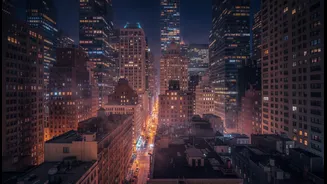
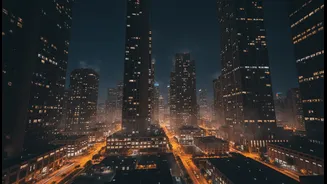
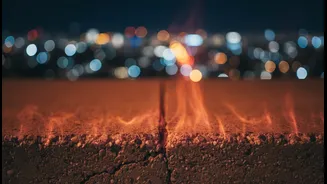
and most dangerous at night. Materials like concrete, asphalt, and dark roofing absorb immense solar radiation during the day and release it slowly after sunset. This process, coupled with a lack of green space and the dense geometry of tall buildings that block wind, prevents cities from shedding their heat. As a result, nighttime minimum temperatures in urban centers are rising, denying residents the natural cooling relief that is critical for human health and recovery during heatwaves.
What the Science Says
Recent climate studies have put a sharp focus on these nocturnal heat traps. Research shows that while daytime urban temperatures might be a few degrees warmer, the nighttime difference can be much more extreme. This is because rural areas with natural landscapes cool off quickly after sundown, while the thermal mass of the city continues to radiate heat for hours. Studies using satellite thermal data and on-ground sensors confirm this trend, showing that the UHI is primarily a nighttime phenomenon. This retained heat not only keeps the air warm but can also increase energy consumption as the demand for air conditioning persists through the night, creating a feedback loop of more waste heat.
The Human and Economic Cost
These elevated nighttime temperatures are not just a matter of comfort; they are a significant public health risk. The inability to cool down at night puts immense strain on the human body, increasing the risk of heat exhaustion, heat stroke, and cardiovascular events. Vulnerable populations, including the elderly, children, and those with pre-existing health conditions, are disproportionately affected. Economically, the cost is twofold. Firstly, there are the direct healthcare costs associated with heat-related illnesses. Secondly, the sustained demand for air conditioning drives up energy bills for residents and businesses and puts a strain on power grids, leading to increased pollution and greenhouse gas emissions from power plants.
A New Blueprint for Cooler Cities
The key lesson for urban planners is that the design of our cities must actively combat heat absorption. This requires a fundamental shift away from heat-trapping materials and toward solutions that cool the urban environment. One of the most effective strategies is increasing the use of 'cool pavements' and 'cool roofs.' These involve using materials with higher 'albedo,' or reflectivity. Lighter-colored materials, from white-painted roofs to more reflective concrete mixes, can bounce a significant portion of solar radiation back into space instead of absorbing it. Studies have shown that widespread implementation of these technologies can lower urban air temperatures noticeably.
From Concrete Jungles to Green Oases
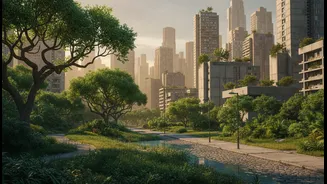
Beyond reflective surfaces, the most powerful tool in the urban planner's arsenal is nature itself. Integrating 'green infrastructure' is crucial. Planting more trees provides shade, which can dramatically lower surface temperatures. Green roofs and vertical gardens not only cool buildings and reduce energy use but also help manage stormwater and improve air quality. Creating more parks and preserving natural vegetation provides evaporative cooling, a process where water evaporating from leaves and soil cools the surrounding air. Cities like Chicago have already begun implementing these strategies, using heat vulnerability maps to prioritize the installation of green roofs, cool pavements, and increased tree coverage in the most affected neighborhoods.