





The Unlikeliest Health Trend
For decades, fibre was the stuff of bland breakfast cereals, often associated with your grandparents' morning routine. Now, it's being hailed as the 'new protein' on social media under hashtags like #fibremaxxing. This sudden surge in popularity isn't
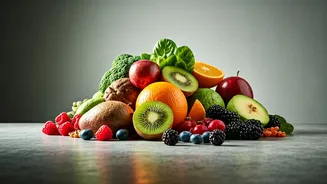
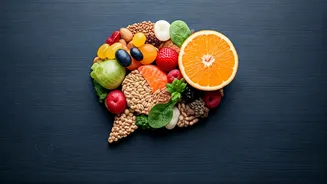
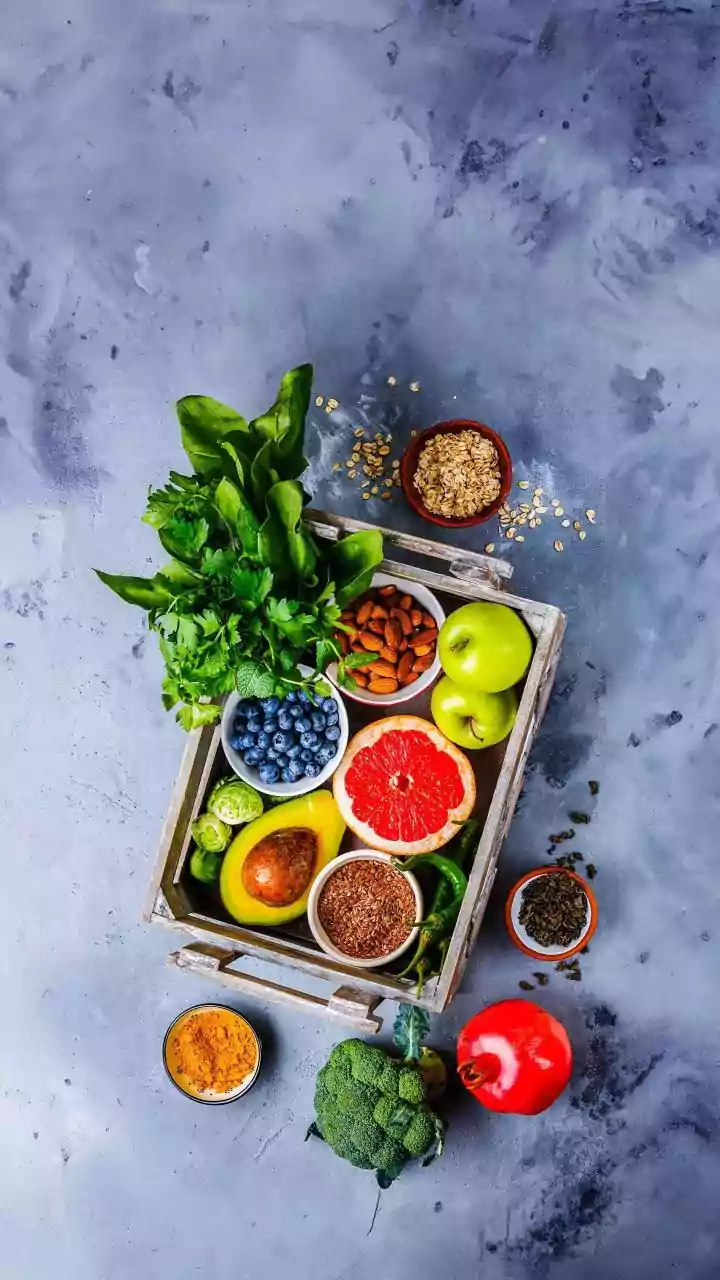
random. It’s part of a larger cultural shift towards a more holistic view of health, with a laser focus on the gut. As our understanding of the gut microbiome—the trillions of bacteria living in our digestive tract—has grown, so has the appreciation for what fuels it. Influencers and wellness creators are showcasing fibre-rich grocery hauls, turning colourful plant-based meals into viral content. This trend acknowledges a simple truth that science has long supported: a healthy gut is foundational to overall wellbeing, affecting everything from our immune system to our mood.
More Than Just Roughage
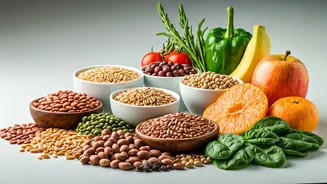
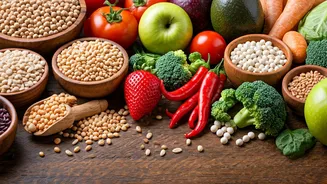
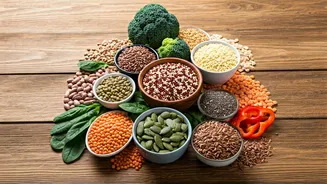
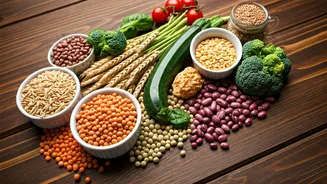
Fibre is a type of carbohydrate that our bodies can't digest. It passes through our system relatively intact, but its journey is far from useless. There are two main types: soluble and insoluble, and we need both. Soluble fibre dissolves in water to form a gel-like substance. Found in oats, beans, apples, and carrots, it helps lower cholesterol and stabilises blood sugar levels, which is crucial for preventing energy crashes and managing conditions like diabetes. Insoluble fibre, found in whole grains and vegetables like cauliflower and green beans, doesn't dissolve. Instead, it adds bulk to stool, promoting regular bowel movements and helping to prevent constipation. Together, they contribute to a feeling of fullness, which can aid in weight management.
Your Gut's Best Friend
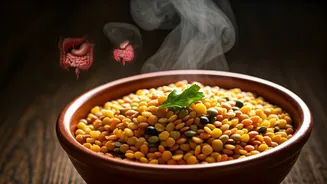
The real magic happens in your colon. Here, dietary fibre acts as a prebiotic, which is essentially food for your 'good' gut bacteria. When these beneficial microbes feast on fibre, they produce compounds called short-chain fatty acids (SCFAs). These SCFAs are powerhouses of health. They nourish the cells lining your colon, reduce inflammation, and play a role in protecting against a range of chronic diseases, including certain types of cancer and heart disease. A diet rich in diverse fibre sources promotes a diverse and resilient gut microbiome. Conversely, a low-fibre diet can reduce this diversity, which is linked to a higher risk of various health issues.
The Great Indian Fibre Fix
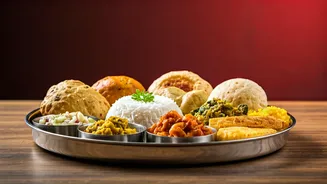
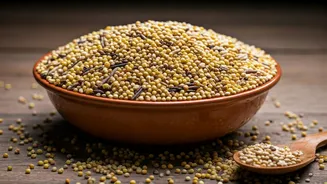
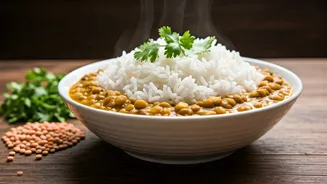
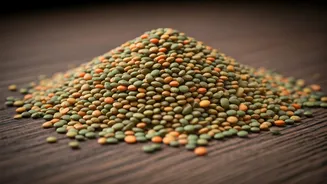
The good news is that a traditional Indian diet is naturally rich in fibre. You don't need to hunt for exotic or expensive ingredients. Wholesome staples are packed with it. Legumes and pulses like chana (chickpeas), rajma (kidney beans), and various dals (lentils) are excellent sources. Whole grains such as whole wheat atta, bajra (pearl millet), jowar (sorghum), and brown rice are far superior to their refined counterparts. Our wealth of vegetables—from spinach (palak) and okra (bhindi) to carrots and gourds—and fruits like guavas, bananas, and apples (eaten with the skin on) are fantastic fibre providers. Even nuts and seeds like almonds, walnuts, and flaxseeds can significantly boost your daily intake.
How to Join the Chat Safely
While the enthusiasm for fibre is positive—most people don't get the recommended 25-30 grams per day—it's important to increase your intake gradually. A sudden, dramatic jump can lead to uncomfortable bloating, gas, and cramping as your digestive system adjusts. The key is to make small, sustainable changes. Start by swapping white rice for brown rice or adding a serving of dal to your meal. Incorporate a fruit or a handful of nuts as a snack. Most importantly, as you increase fibre, you must also increase your water intake. Fibre works by absorbing water, which helps soften stool and move it smoothly through your system. Without enough water, increasing fibre can actually worsen constipation.