







What is Soil-Free Gardening?
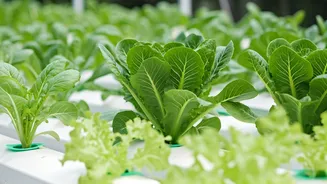
Soil-free gardening, most commonly known as hydroponics, is a method of growing plants without soil. Instead of pulling nutrients from the earth, plants get their nourishment from a nutrient-rich water solution that is delivered directly to their roots.
This technique can be as simple as a plant suspended over a container of water or as advanced as a fully automated vertical tower. The core idea is to provide the plant with exactly what it needs—water, nutrients, and oxygen—in a controlled environment. This eliminates many of the variables and challenges of traditional gardening, such as soil-borne pests and the need for constant weeding. Common growing mediums used to physically support the plants include cocopeat, clay pellets, or rockwool.
The Perfect Match for Urban Homes
For those living in apartments in cities like Mumbai, Delhi, or Bengaluru, space is a premium. Hydroponic systems are incredibly space-efficient. Vertical setups, for example, allow you to grow dozens of plants in a footprint of just a few square feet, making them perfect for balconies or even a sunny corner indoors. Another major benefit is the lack of mess; with no soil, there's no dirt to haul or spill. This method is also remarkably water-efficient, using up to 90% less water than traditional soil farming because the water is recirculated instead of draining away. For busy professionals, the low-maintenance aspect is a huge draw. A well-configured system might only require 15-20 minutes of attention per week to check nutrient and pH levels.
Getting Started: Common Home Systems
For beginners, the variety of systems can seem daunting, but a few types are particularly well-suited for home use. The Kratky Method is the simplest, involving no pumps or electricity, making it an excellent low-cost entry point. Deep Water Culture (DWC) is another popular choice, where roots are submerged in an aerated nutrient solution. DWC kits are widely available and relatively easy for beginners to manage. For those looking to grow more leafy greens, the Nutrient Film Technique (NFT), which flows a thin stream of nutrients over the roots, is highly effective. Finally, vertical aeroponic towers are gaining immense popularity in Indian apartments, as they balance space efficiency with ease of maintenance.
What Can You Grow?
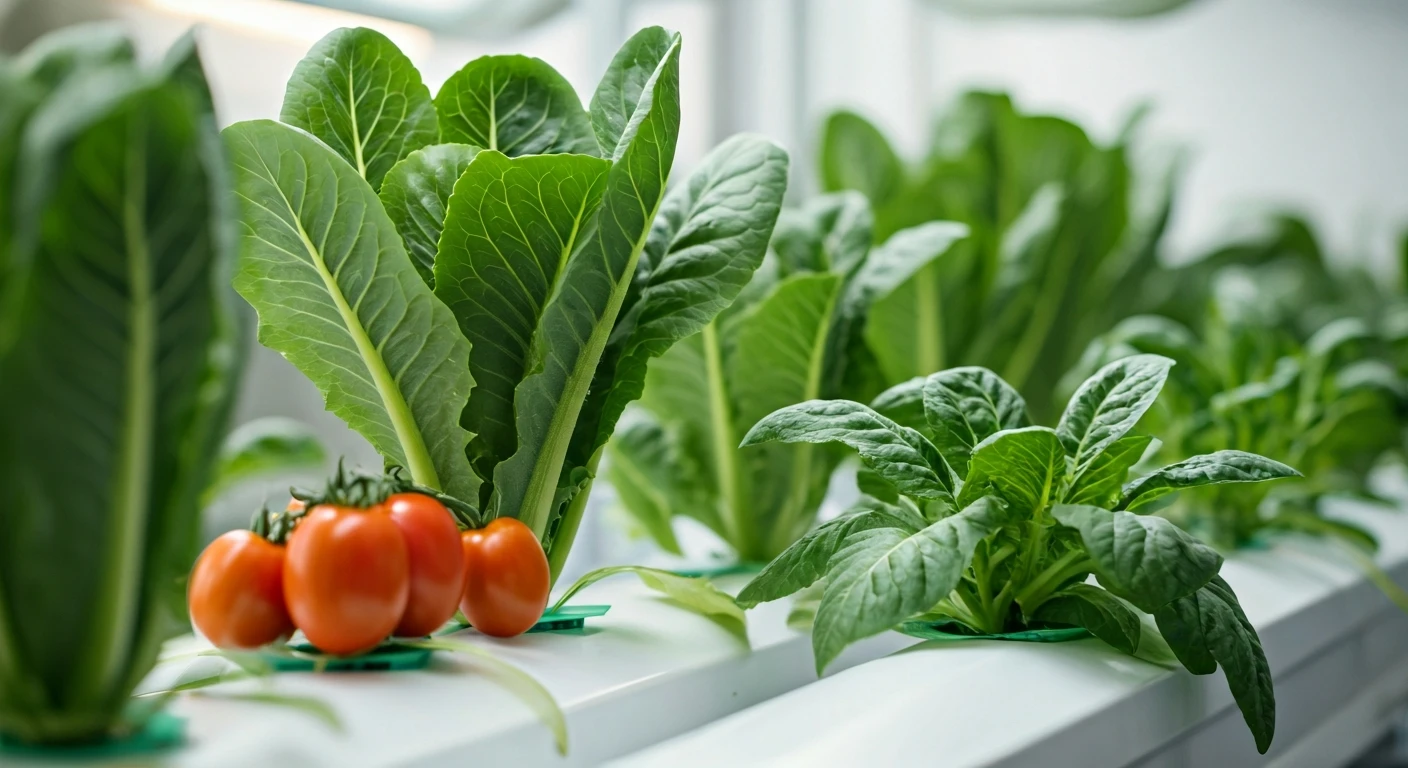
You can grow a surprising variety of produce with hydroponics. For a successful first harvest in Indian conditions, it's best to start with plants that are fast-growing and forgiving. Herbs like mint, basil, and coriander are fantastic choices as they are used frequently in Indian kitchens and can be harvested within weeks. Leafy greens such as spinach and lettuce also thrive, especially in the cooler months. Once you have gained some confidence, you can move on to fruiting plants like tomatoes, chillies, and cucumbers, which may require more attention to nutrients and light.
A Greener, Healthier You
Beyond the convenience and fresh produce, soil-free gardening offers significant wellness benefits. The act of tending to plants has been shown to reduce stress and improve mood. Having a hydroponic garden brings a touch of nature indoors, which can enhance mental clarity and focus. Furthermore, you have complete control over what goes into your food. You can grow fresh, pesticide-free vegetables, knowing they are as clean and healthy as possible. This connection to your food source is not just empowering; it's a step towards a more sustainable and conscious lifestyle in the heart of the city.