

The Concrete Jungle's Fever
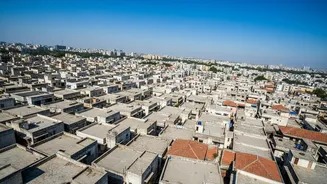
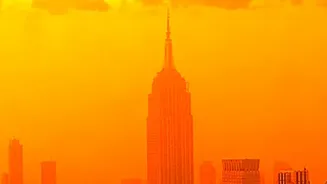
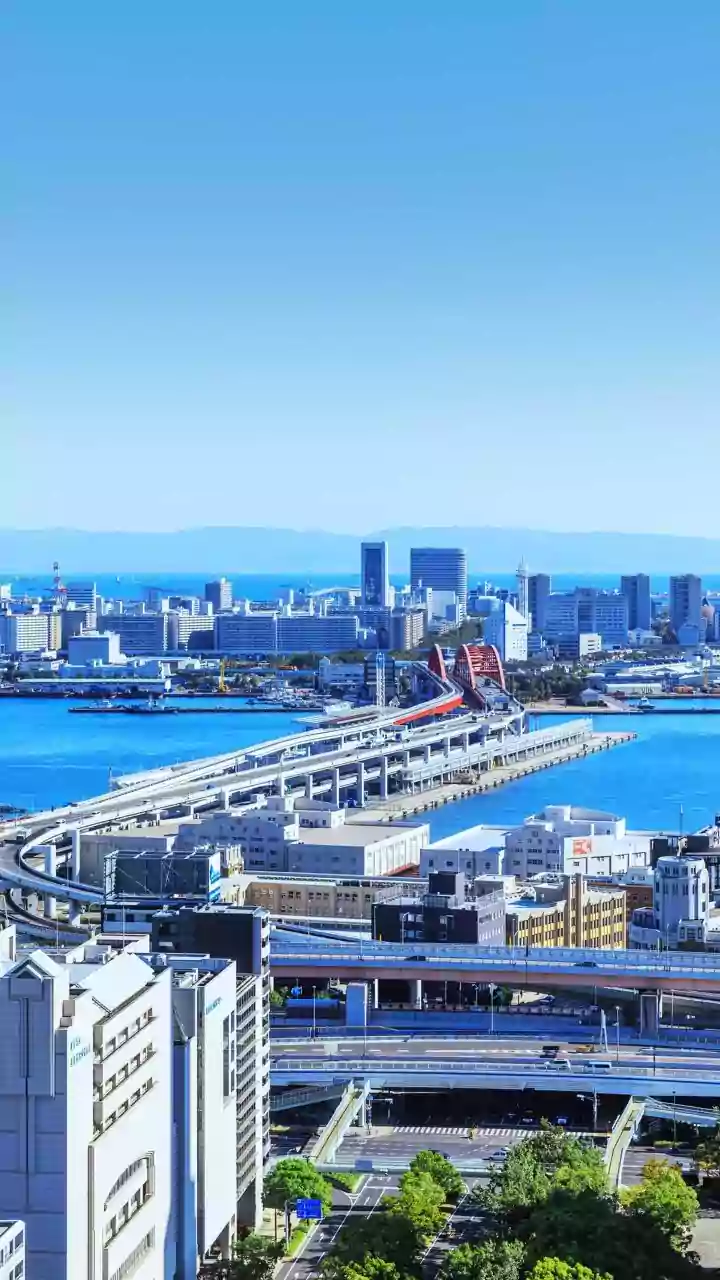
The core of the problem is a phenomenon called the 'urban heat island' (UHI) effect. Cities, with their dense concentration of asphalt, concrete, and dark roofing, absorb and retain significantly more of the sun's radiation than rural areas with natural
landscapes. While grass, trees, and soil release moisture to cool the air through a process called evapotranspiration—much like sweating cools our bodies—impermeable city surfaces cannot. This can make urban centres several degrees warmer than their surrounding countryside, a difference that is often most pronounced at night as the built environment slowly radiates the heat it absorbed all day.
When Rain Meets a Hot Pavement
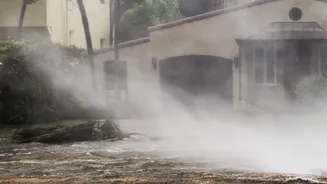
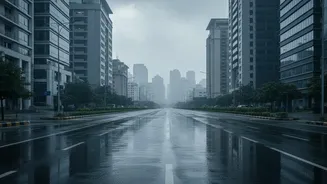
So why doesn't rain fix this? While a rain shower does provide immediate, temporary cooling, it’s fighting a losing battle against the city's infrastructure. When rain hits superheated asphalt and concrete, a large portion of it quickly evaporates, sending a massive amount of moisture into the air. This process actually releases heat into the atmosphere. The result is a sharp spike in humidity, which is why the air can feel so heavy and sticky after a storm. High humidity hampers our body's ability to cool itself through sweating, making the perceived temperature, or heat index, feel oppressive even if the thermometer shows a slight dip.
A Vicious Cycle of Heat
Once the rain stops and the sun re-emerges, the dark, damp surfaces of the city heat up again with remarkable speed. The retained heat deep within the concrete and asphalt acts like a storage heater, quickly warming the now moisture-laden air. In vegetated areas, rain soaks into the ground, and the cooling effect lasts longer as the water slowly evaporates from the soil and plants. But in a city, the water that doesn't evaporate immediately is channelled into storm drains, leaving the surfaces to bake once more. The temporary cooling is just that—a brief interruption in a continuous cycle of heat absorption and release.
The Search for Cooler Cities
Recognising this challenge, researchers and urban planners are actively studying ways to redesign our cities to be cooler and more resilient. The focus is on mitigating the UHI effect through smarter material choices and infrastructure. One of the most promising areas of research is the development of 'cool pavements'. These use more reflective materials, such as lighter-coloured concrete or special coatings, that absorb less solar radiation. Studies have shown these surfaces can stay significantly cooler than traditional black asphalt, reducing both surface and ambient air temperatures.
Greening the Urban Landscape
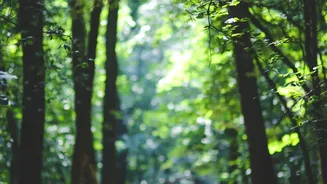
Beyond just pavements, the most effective strategies involve reintroducing nature into the urban fabric. Green roofs, green walls, and the simple act of planting more trees are powerful tools. Vegetation provides shade and actively cools the air through evapotranspiration. For example, a project in Medellín, Colombia, created 'green corridors' along roads and waterways, which successfully lowered the local air temperature by 2 degrees Celsius. Research shows that while green spaces also add humidity, the shade they provide and their ability to cool temperatures at night offer significant net benefits for making cities more liveable.