

From More-is-More to Mindful Moments
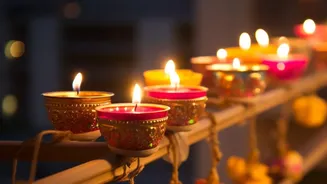
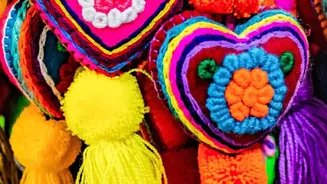
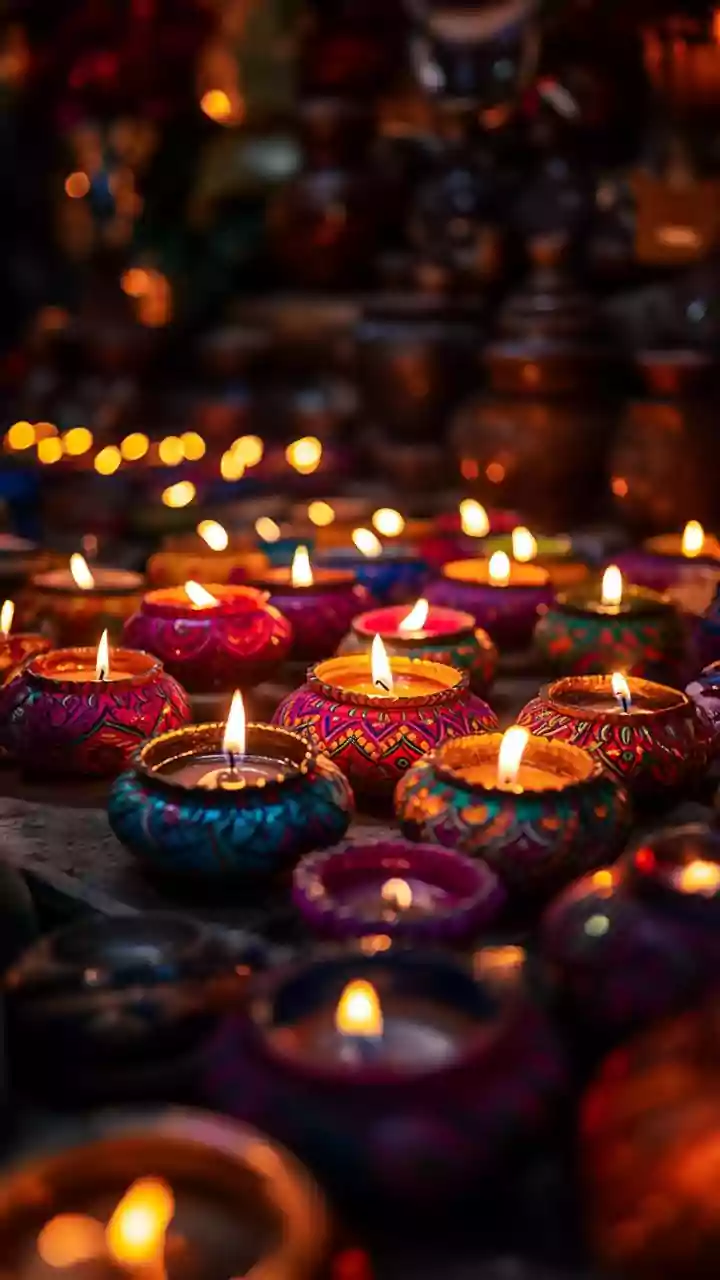
Think of festive seasons past: every surface draped in marigold garlands, dozens of diyas flickering in unison, and a riot of colours from rangoli, torans, and textiles. This vibrant, maximalist approach has long been the visual language of celebration
in India, a symbol of abundance and wholehearted joy. It was about creating a spectacle, a feast for the eyes that matched the generosity of the spirit. But as our lives and living spaces have evolved, so too have our decorative sensibilities. Today, a growing movement is redefining festive aesthetics, moving away from sheer volume and towards creating spaces that feel intentional, personal, and serene without losing their celebratory soul.
The Rise of Festive Minimalism
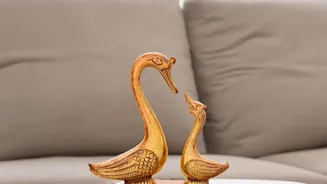
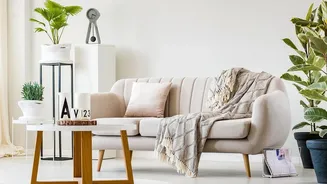
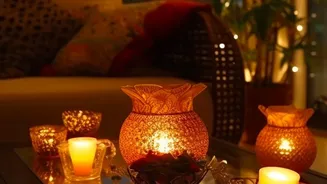
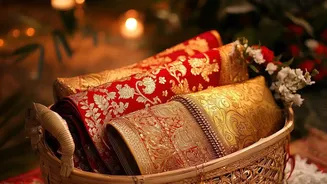
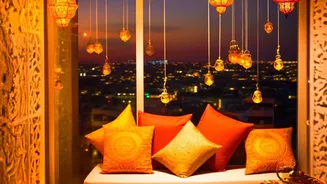
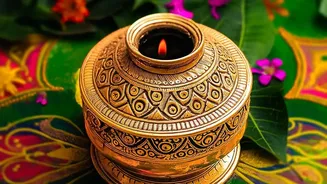
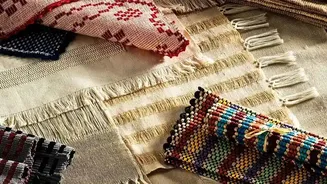
The new festive interior is less about overwhelming the senses and more about delighting them with carefully chosen details. This trend, often dubbed 'festive minimalism' or 'conscious decor', isn't about stark, empty spaces. Instead, it’s about quality over quantity. It champions a few statement pieces over a multitude of disposable ones. Picture a single, beautifully crafted brass urli with floating flowers and a few candles as a centrepiece, rather than a table crowded with trinkets. Or a luxurious, handwoven textile used as a throw, adding texture and a pop of jewel-toned colour to a neutral sofa. The focus shifts to clean lines, layered lighting from elegant lamps and candles, and creating focal points that draw the eye and tell a story.
Sustainability as a Style Statement
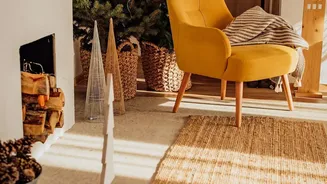
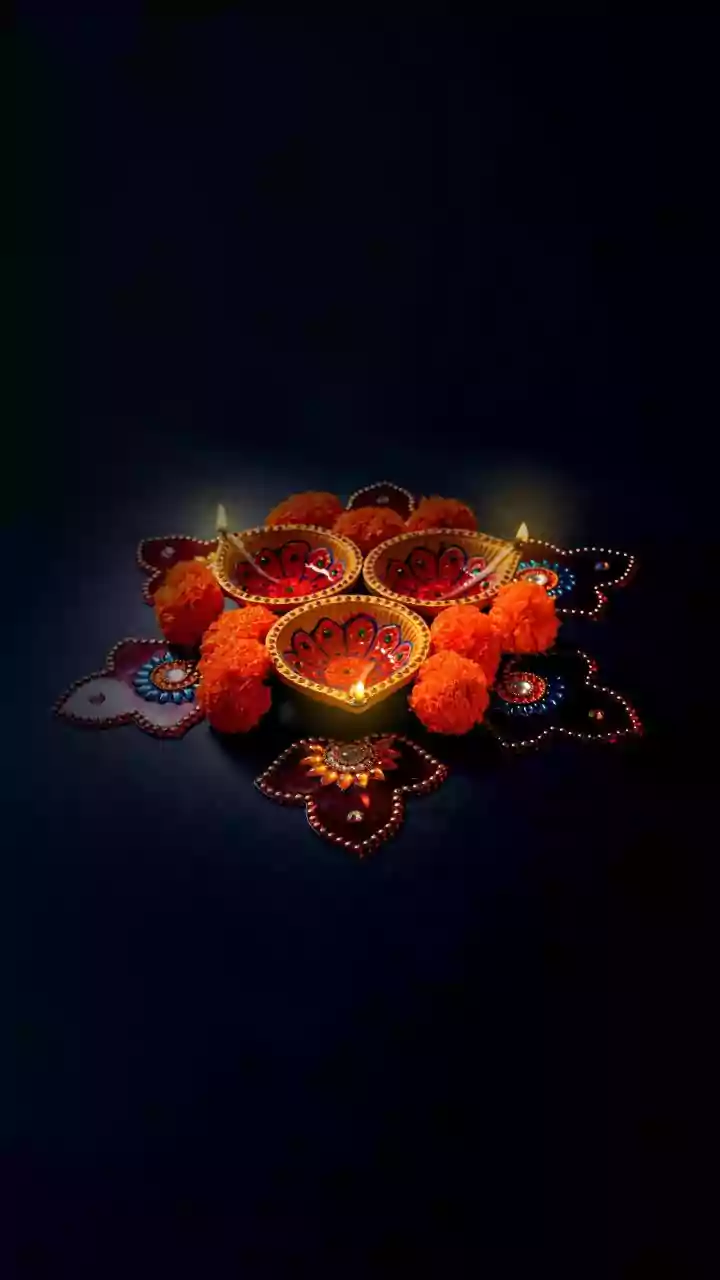
A significant driver of this shift is a growing eco-consciousness. Homeowners are increasingly questioning the waste generated by single-use plastic decorations and synthetic materials. The new aesthetic champions sustainability, not as a compromise, but as a core principle of beauty. This means a return to natural and reusable materials: clay and brass diyas instead of plastic lights, rangolis made from flower petals and rice flour, and torans crafted from fabric scraps or upcycled materials. Supporting local artisans who create these handcrafted, timeless pieces has also become a priority, blending ecological responsibility with the preservation of cultural craftsmanship.
A Fusion of Heritage and Modernity
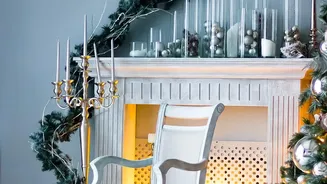
This evolution isn't a rejection of tradition, but a reinterpretation of it for contemporary life. It’s about blending old-world charm with modern sensibilities. An antique wooden panel might be repurposed as wall art in a sleek living room, or traditional Pichwai art could be framed with subtle, modern backlighting. The colour palettes remain rich and evocative—saffron, maroon, gold, and copper—but they are used more thoughtfully, perhaps on an accent wall or through metallic accessories that catch the light. This fusion creates interiors that feel both rooted in Indian heritage and perfectly aligned with the realities of modern urban living, where space is often limited and versatility is key.