



The Fibre Renaissance
In the ongoing conversation about health and nutrition in India, a new hero has emerged, and it’s not a fancy superfood from a faraway land. It’s dietary fibre, the humble, hardworking component of plant-based foods. There's a noticeable trend of 'fibremaxxing'
where wellness-focused individuals are consciously increasing their intake, moving beyond just calorie counting or protein tracking. This shift is driven by a growing awareness that fibre is crucial for overall health, from digestion and weight management to controlling chronic conditions like diabetes and heart disease. While traditional Indian diets have always been inherently rich in fibre, modern urban lifestyles have often led to a reliance on refined and processed foods, creating a significant 'fibre gap'. Now, the pendulum is swinging back, with many rediscovering the power of whole foods.
Why Your Body Loves Fibre
Dietary fibre is a type of carbohydrate that your body can't digest. Instead of being broken down, it passes relatively intact through your digestive system, acting like an internal broom. There are two main types: soluble and insoluble, and both are vital. Soluble fibre, found in oats, beans, and apples, dissolves in water to form a gel-like substance. This slows digestion, helping to control blood sugar spikes and lower bad cholesterol levels. Insoluble fibre, present in whole grains and vegetables, doesn’t dissolve. It adds bulk to stool, which helps prevent constipation and promotes regular bowel movements. Together, they contribute to a feeling of fullness, which can aid in weight management, and they serve as food for the beneficial bacteria in your gut, supporting a healthy microbiome.
India's Fibre-Rich Heritage
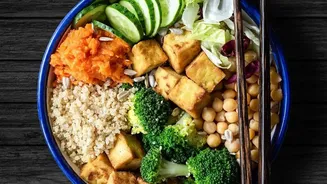
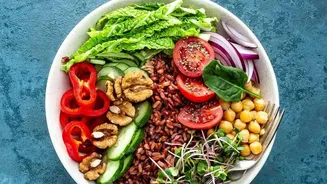
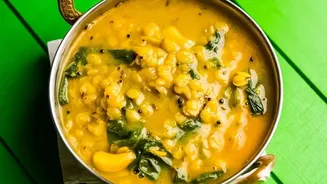
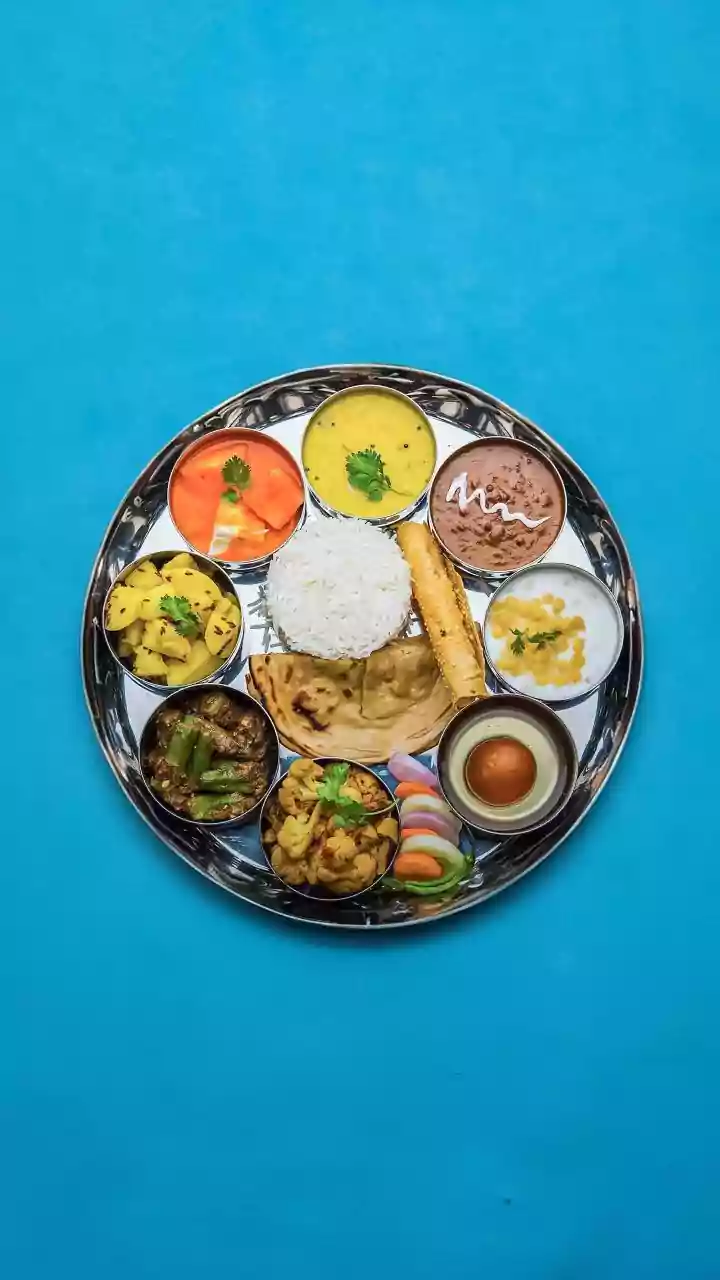
The good news is that you don't need to look for exotic ingredients to boost your fibre intake. The traditional Indian kitchen is a treasure trove of high-fibre foods. Lentils and legumes like dal, chana, and rajma are fibre powerhouses. Whole grains, particularly millets such as jowar, bajra, and ragi, which are making a major comeback, are excellent sources. Our vast array of vegetables, from leafy greens like spinach (palak) and fenugreek (methi) to gourds like lauki and okra (bhindi), are packed with fibre. Fruits like guava, bananas, and apples (eaten with the skin) are also fantastic sources. A classic Indian meal of dal, sabzi, and a whole-grain roti is a naturally balanced, high-fibre plate.
Simple Swaps for a Fibre Boost
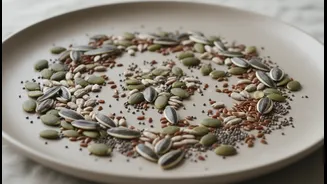
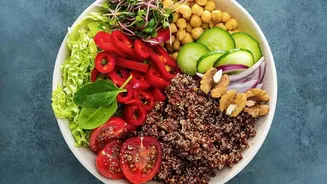
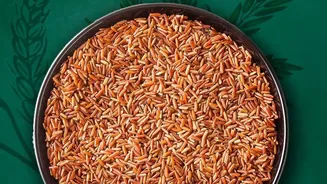
Increasing your fibre intake doesn't require a complete diet overhaul. Small, consistent changes can make a huge difference. Start by swapping refined grains for whole ones; choose whole wheat or millet rotis over those made with maida, and opt for brown rice instead of white. Instead of juicing fruits, eat them whole to retain all the valuable fibre. When snacking, reach for a handful of roasted chana or mixed nuts instead of packaged chips. Make it a habit to include a portion of salad with your main meals. Another easy trick is to simply increase the portion of vegetables (sabzi) on your plate and ensure a dal or legume dish is part of every main meal. And remember to increase your water intake as you increase fibre to help it move smoothly through your system.