





Error 1: Skipping Sunscreen on Cloudy Days
This is one of the most common skincare mistakes during the monsoon. Just because you can't see the sun doesn't mean your skin is safe. Up to 80% of harmful UV rays can penetrate through the clouds, causing skin damage, pigmentation, and premature ageing.
The solution is simple: make sunscreen a non-negotiable part of your daily routine, rain or shine. Opt for a lightweight, gel-based, or non-comedogenic formula that won't feel heavy or clog your pores in the humid weather. Reapply every few hours, especially if you're outdoors or sweating.
Error 2: Over-Washing Your Face
When your face feels greasy and sticky, the first instinct is to wash it repeatedly. However, over-cleansing can be counterproductive. Washing your face too often strips the skin of its natural oils, which disrupts its protective barrier. This can lead to irritation, and in some cases, your skin might even produce more oil to compensate, making breakouts worse. Stick to cleansing twice a day with a gentle, soap-free cleanser. If your skin is particularly oily or acne-prone, look for ingredients like salicylic acid, which can help clear out pores without being too harsh.
Error 3: Using Heavy, Oil-Based Moisturisers
Many people believe that humid weather means they can skip moisturiser, especially if their skin feels oily. This is a myth. Humidity is not the same as hydration. In fact, factors like air conditioning can leave your skin dehydrated even when the air is moist. When your skin lacks hydration, it can trigger excess sebum production. The mistake is not moisturising, but using the wrong kind. Ditch the heavy, oil-based creams that can clog pores in the monsoon humidity. Instead, switch to a lightweight, water-based or gel-based moisturiser that is labelled 'non-comedogenic'. This will provide necessary hydration without adding extra grease.
Error 4: Getting Exfoliation Wrong
Humidity can cause dead skin cells, sweat, and oil to accumulate on your skin's surface, leading to clogged pores and a dull appearance. Exfoliation is crucial to manage this, but it's a balancing act. Over-exfoliating with harsh physical scrubs can damage the skin barrier and cause irritation. On the other hand, not exfoliating at all allows buildup to worsen. The best approach for the monsoon is to exfoliate gently, about once or twice a week. Consider using a chemical exfoliant with ingredients like Salicylic Acid (BHA) or Glycolic Acid (AHA), which help clear pores effectively without aggressive scrubbing.
Error 5: Applying Heavy Makeup
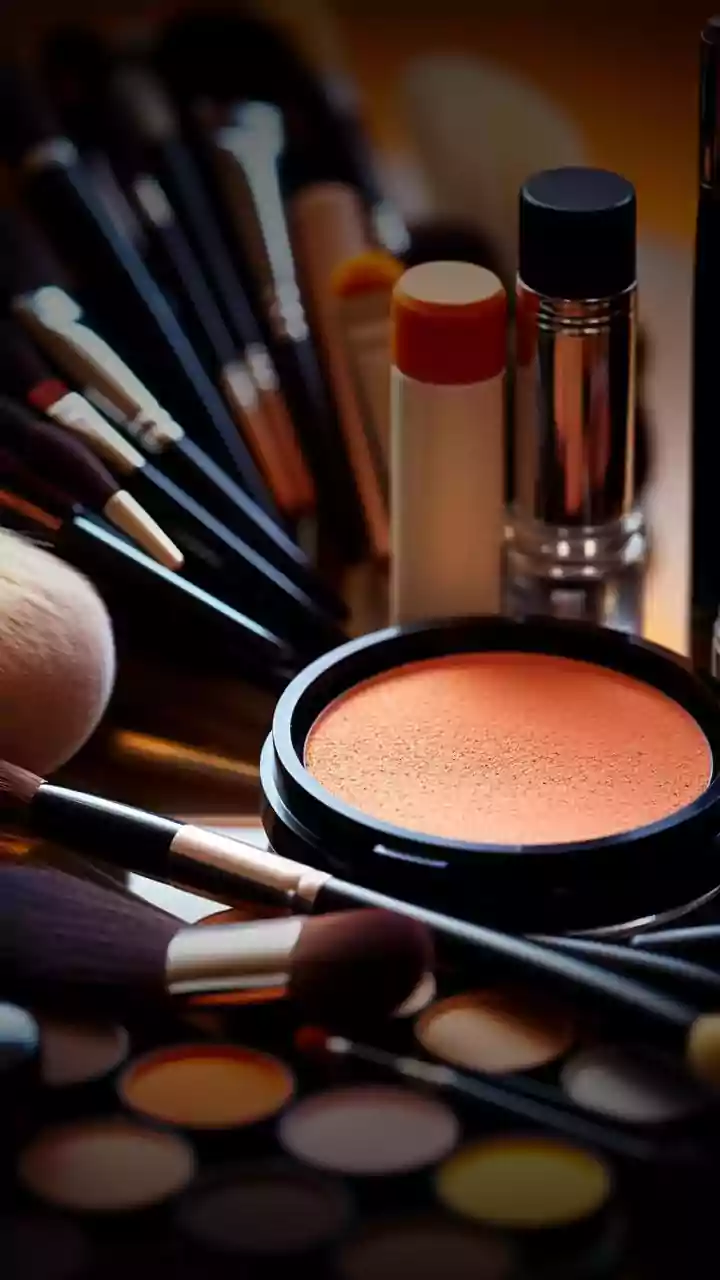
Thick layers of foundation and concealer can trap sweat, oil, and bacteria against your skin, creating a perfect storm for breakouts. During the high-humidity monsoon season, this problem is magnified. If possible, let your skin breathe by going makeup-free. If you prefer to wear makeup, opt for lightweight, non-comedogenic, and preferably waterproof products that are less likely to clog pores or melt away. Think tinted moisturisers, BB creams, or mineral-based formulas. No matter what, always ensure you thoroughly remove all makeup at the end of the day before you go to sleep.
Error 6: Ignoring Your Diet and Hydration
What you put inside your body reflects on your skin. The monsoon season often comes with cravings for fried, oily, and processed snacks. While indulging occasionally is fine, a diet high in such foods can sometimes trigger inflammation and exacerbate acne. Pay attention to your diet and include plenty of fruits, vegetables, and whole grains. Equally important is staying hydrated from the inside out. Don't let the cool weather fool you into drinking less water. Drinking enough water throughout the day helps flush out toxins and keeps your skin healthy and clear.
Error 7: Touching Your Face and Popping Pimples
Your hands come into contact with countless germs and bacteria throughout the day from surfaces like your phone, keyboard, and doorknobs. Touching your face transfers this dirt and bacteria directly onto your skin, which can contribute to clogged pores and infections. The temptation to pick at or pop a pimple can be strong, but doing so almost always makes it worse. It can push bacteria deeper into the skin, increase inflammation, and lead to post-acne scars and dark spots that are difficult to get rid of. It's a simple habit to state, but a hard one to break: keep your hands off your face.