






The Reality of Monsoon Travel
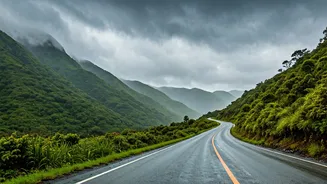
Spontaneity is a traveller's best friend, but the monsoon demands respect. This season transforms landscapes, making them breathtakingly beautiful, but it also introduces significant risks. Hilly regions in states like Himachal Pradesh and Uttarakhand
become prone to landslides, which can shut down roads for days. In 2023, hundreds of roads were closed in Himachal due to landslides and flash floods, leaving tourists stranded. Similarly, cities and coastal areas can experience severe waterlogging and flooding, bringing transportation to a standstill. Airlines may delay or cancel flights due to heavy rain and poor visibility, and train schedules can be disrupted. These are not rare occurrences; they are annual challenges. Understanding these potential disruptions is the first step toward smart and safe travel.
Your Pre-Booking Strategy
A solid backup plan begins before you even enter your payment details. Start by researching your chosen destination's monsoon history. Some places, like parts of Rajasthan or the rain-shadow region of Ladakh, receive less rainfall and are safer bets. In contrast, areas like the Western Ghats and the Northeast, while stunning, are known for intense downpours. When booking flights and hotels, prioritise flexibility. Many booking platforms and airlines now offer options for free cancellations or rescheduling. While these may sometimes cost slightly more upfront, they provide invaluable peace of mind. If your primary route becomes impassable, a flexible booking allows you to pivot without losing your money. Always check the weather forecast leading up to your trip, not just for your destination but for the entire route.
Building a 'Plan B' Itinerary
Having a backup plan isn't just about cancellable tickets; it's about having an alternative adventure ready. If you're planning a road trip to a specific hill station, identify one or two other accessible destinations in the opposite direction or in a region with a better weather forecast. For instance, if roads to Manali are blocked, could you explore the lower hills of Himachal or pivot to a destination in a neighbouring state? Your Plan B should be practical. Research accommodation and travel options for your alternative location in advance. This way, if you need to make a last-minute change, you're not scrambling for information. Think of it less as a failed plan and more as having two exciting potential trips to choose from.
The Safety Net of Travel Insurance
Travel insurance is often overlooked for domestic trips, but it’s crucial during the monsoon. However, not all policies are created equal. When purchasing insurance, read the fine print carefully to see what is covered. Look specifically for clauses related to trip cancellations or interruptions due to weather-related events or natural calamities. Some policies may reimburse non-refundable expenses for hotels and flights if your trip is cancelled for a covered reason. Coverage for flight delays is another important feature, as it can help with expenses incurred during long waits at the airport. A good policy can be the financial safety net that makes a stressful situation manageable.
Staying Agile on the Go
Once your trip begins, stay informed and adaptable. Keep a constant eye on weather apps and local news alerts. Before embarking on a long drive, especially in hilly or remote areas, check with local authorities or your hotel about road conditions. Keep your devices charged and carry a power bank, as power cuts can be common. Pack smart: include waterproof bags for your electronics, quick-drying clothes, and appropriate footwear. Have a list of emergency contacts, including your hotel, local transport providers, and emergency services. Being prepared for small inconveniences prevents them from turning into major problems, allowing you to relax and enjoy the journey, rain or shine.