





Prioritise Drainage Above All Else
The single greatest threat to your plants during the monsoon is waterlogged soil. When roots sit in stagnant water, they are starved of oxygen and begin to rot. Before the rains intensify, ensure every pot has clear, unobstructed drainage holes. For potted
plants, raising them slightly off the ground on bricks or pot feet allows excess water to escape freely. If you're planting in garden beds, consider creating raised beds or gentle slopes to prevent water from pooling around the base of your plants. Plain garden soil, especially clay-rich types, becomes heavy and compacted when wet, which can suffocate roots.
Choose a Monsoon-Ready Potting Mix
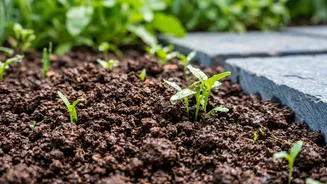
A well-draining potting mix is your best defence against the constant moisture. The ideal mix allows excess water to flow through quickly while retaining enough for the plant. A reliable recipe for container plants involves equal parts garden soil, an organic component like coco peat or compost, and a material to improve aeration, such as coarse sand or perlite. Coco peat is particularly useful as it absorbs excess water and releases it slowly, improving soil porosity and helping roots breathe. This kind of light, airy mix prevents the soil from becoming a dense, waterlogged mass.
Rethink Your Watering Schedule
It might seem counterintuitive, but you still need to monitor your plants' water needs during the monsoon. The most common mistake gardeners make is overwatering. With high humidity and frequent showers, the soil stays damp for much longer. Before you reach for the watering can, always check the soil first. A simple test is to stick your finger about an inch into the soil; if it feels damp, there's no need to water. For plants exposed to direct rain, you may not need to water them manually at all.
Watch for Fungal and Bacterial Diseases
High humidity and constantly wet leaves create the perfect breeding ground for fungal and bacterial infections. Diseases like powdery mildew, leaf spot, and root rot are rampant during this season. Regularly inspect your plants for early warning signs, such as yellowing leaves, brown or black spots, or a white powdery coating. Good air circulation is crucial for prevention. Ensure there is adequate space between your plants and prune any dense foliage to allow air to flow freely and help leaves dry faster. Removing dead leaves and debris from around your plants also helps eliminate potential homes for pests and diseases.
Manage Nutrients Wisely
While the rain provides plenty of water, it can also wash away essential nutrients from the soil through a process called leaching. However, plant growth often slows during the monsoon due to reduced sunlight, meaning they require fewer nutrients than in the summer. The goal is to replenish what's lost without overfeeding. Opt for slow-release organic fertilizers like vermicompost or well-rotted manure. These improve soil structure and supply nutrients gradually. It's best to reduce fertilizing frequency to once every three to four weeks. Applying liquid fertilizers can also be effective for quick absorption between downpours.
Provide Physical Support and Protection
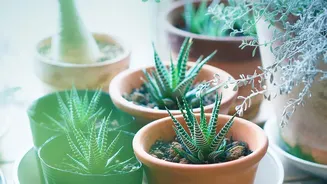
Strong monsoon winds and heavy downpours can easily damage plants, especially tall or young ones. Before the worst of the weather arrives, provide support by staking vulnerable plants like tomatoes or sunflowers to prevent their stems from snapping. For particularly sensitive plants like succulents, it may be wise to move them to a sheltered location like a covered balcony or porch to protect them from excessive rain. A thin layer of organic mulch can help prevent soil erosion, but be careful not to apply it too thickly or too close to the plant's stem, as this can trap moisture and encourage rot.