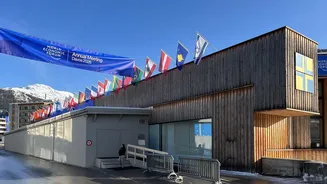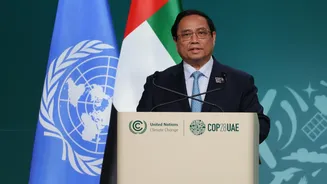



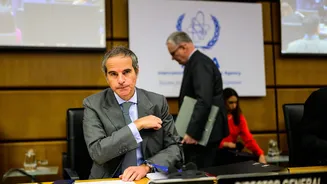
The UN's annual climate summit, COP31, has ended in disappointment. After running two days into overtime in Antalya, Türkiye, negotiators from nearly 200 countries failed to reach a final agreement, exposing deep and familiar fault lines.
What Was at Stake?
This year's summit
was seen as a critical moment for global climate action. Coming at the end of a year marked by record-breaking heatwaves, floods, and droughts, there was immense pressure on world leaders to agree on a clear path forward. Scientists have confirmed that the world is on track to exceed the Paris Agreement's goal of limiting warming to 1.5°C above pre-industrial levels. The main task for COP31 was to build on previous commitments and establish a concrete roadmap for a 'just transition' to cleaner economies, accelerate emissions cuts, and solidify financial support for developing nations bearing the brunt of climate impacts. Many hoped for a strong, unified signal that the world was ready to significantly ramp up its fight against climate change.
The Great Divide Over Fossil Fuels
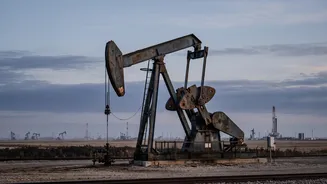
The single biggest reason for the collapse of the talks was the failure to agree on language concerning the future of fossil fuels. A large coalition of countries, including the European Union and many climate-vulnerable island states, pushed for the final agreement to explicitly call for a 'transition away from fossil fuels'. They argued that without tackling the primary driver of climate change, any deal would be meaningless. However, this was strongly opposed by a group of oil and gas-producing nations, including Saudi Arabia and other members of the Arab League. These countries resisted a direct mention of a fossil fuel phase-out, instead promoting solutions like carbon capture and storage (CCS) technology, which critics argue is an unproven smokescreen to allow for continued pollution. The final draft text, which omitted any mention of fossil fuels, was ultimately rejected by the EU and its allies as a step backward.
The Unresolved Issue of Climate Finance
Another major point of contention was money. For years, developing nations have argued that wealthy, industrialised countries, which are historically responsible for the majority of emissions, must provide financial support to help them adapt to climate change and transition to green energy. India, speaking on behalf of the Like-Minded Developing Countries (LMDC) group, forcefully argued for equity and 'Common but Differentiated Responsibilities', stressing that developed nations have not met their financial obligations. At COP31, developing countries were seeking a clear plan for how adaptation finance would be scaled up, but many felt that developed countries came to the negotiating table 'empty-handed'. The lack of progress on finance eroded trust and made compromise on other issues, like fossil fuels, much more difficult to achieve.
Why 'No Deal' Was Better Than a Bad Deal
While the lack of an agreement is a significant setback, many negotiators and activists argued that accepting the weak proposed text would have been worse. The EU's representative stated they would not accept a deal that 'greenwashes fossil fuels'. An Indian climate activist was quoted as saying 'no deal is better than a deal that locks in failure'. The concern was that a flawed agreement would have given the false impression of progress while actually undermining the goals of the Paris Agreement by endorsing unproven technologies and failing to address the root cause of the climate crisis. In a rare move, a powerful bloc of nations chose to reject a weak consensus rather than sign on to a pact they believed was insufficient to meet the urgency of the moment.
What Happens Next?
The failure at COP31 does not nullify previous commitments like the Paris Agreement. However, it leaves the world without a new, unified roadmap for action. UN Secretary-General António Guterres expressed deep disappointment, blaming the influence of 'powerful fossil fuel interests'. The immediate focus now shifts to regional and voluntary efforts, as well as preparations for COP32, which will be held in Addis Ababa, Ethiopia. The unresolved issues from Antalya—particularly the battle over fossil fuels and the deadlock on climate finance—will undoubtedly take centre stage once again. The collapse of the talks underscores the immense political and economic challenges that remain in the global effort to secure a stable climate for future generations.