



The New Rules of the Road
For generations of Indians, the freedom of the open road was synonymous with owning a car. Today, that narrative is being rewritten by millennials and Gen Z. Instead of aspiring to vehicle ownership, they are championing a model of 'access over ownership'.
This shift is fuelling the rapid growth of intercity shared mobility—a broad category that includes everything from app-based carpooling and self-drive rentals to premium, tech-enabled bus services. A recent nationwide survey found that nearly three-quarters of respondents driving this trend are between 18 and 43 years old. This generation is not just using shared transport as a backup; for many, it's the primary choice. The same survey revealed that almost half of the respondents made all five of their most recent intercity journeys using a shared service. This isn't a fleeting trend, but a structural transformation in travel preferences, with over 76% of users expecting to increase their reliance on shared mobility in the coming years.
Driven by Smart Economics
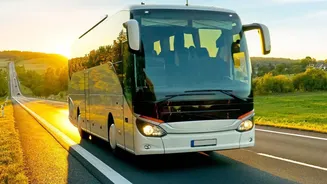
The most significant driver behind this change is a blend of cost and convenience. For a generation juggling student loans, startup salaries, and rising urban living costs, the financial burden of owning a car—including EMIs, insurance, fuel, and maintenance—is a major deterrent. Shared mobility offers a compelling alternative. It provides the freedom of a personal vehicle without the long-term financial commitment. Self-drive rental platforms and car-sharing subscriptions allow users to pick a vehicle for a specific trip, be it an SUV for a mountain adventure or a hatchback for a quick weekend getaway. This pay-per-use model aligns perfectly with the financial mindset of young Indians who prioritize experiences over assets. Furthermore, technology has made these services incredibly accessible. From booking a seat on a premium bus with live tracking to unlocking a rental car with a smartphone, the entire process is seamless and digital-first, a key factor for a tech-savvy demographic.
An Experience-First Mindset
Beyond the practical benefits, this trend is deeply rooted in a cultural shift towards the 'experience economy'. For today's young travellers, the journey itself is as important as the destination. They crave flexibility, spontaneity, and unique, personal journeys. Shared mobility enables this by removing the stress and rigidity of traditional travel. Instead of the hassle of driving long distances, travellers on a premium bus can work, relax, or socialise. Self-drive rentals offer the freedom to explore offbeat locations, make unplanned stops, and travel at one's own pace. This desire for unique experiences is changing travel patterns, with a preference for multiple, shorter trips over one long annual holiday. A study in 2025 found that Gen Z travellers, who made up 31% of trips that year, favour flexible plans and discovering hidden gems over conventional tourist spots. It's a move away from rigid itineraries and towards a more fluid, discovery-oriented mode of travel.
The Road Ahead: Safety and Sustainability
As the shared mobility sector expands, it faces both opportunities and challenges. Safety remains a primary concern for many potential users. However, companies are actively working to address this with features like GPS tracking, verified driver profiles, and 24/7 support. The environmental aspect also plays a crucial role. With a growing consciousness about their carbon footprint, many young Indians are drawn to shared mobility as a more sustainable option than private car ownership. By increasing vehicle occupancy and optimising routes, sharing services can lead to fewer cars on the road, reducing congestion and emissions. The future of the industry is also tilting towards electric vehicles, with several platforms beginning to integrate EVs into their fleets, further enhancing their green credentials. As regulations evolve and infrastructure improves, shared mobility is poised to become an even more integral part of India's transport ecosystem, shaping not just road trips, but the very future of urban and intercity movement.