





From Carts to Clicks
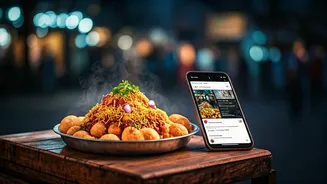
Not long ago, a street food vendor’s reputation was built slowly, through word-of-mouth praise passed between neighbours and regulars. Today, fame can arrive in an instant, delivered through the explosive reach of an Instagram Reel or a YouTube Short.
Food vloggers and everyday foodies have become the new kingmakers of the culinary world. They document their finds, from the crispiest vada pav to the most innovative chaat, and share them with millions. This digital documentation serves as an inadvertent, yet highly effective, form of advertising for small-scale entrepreneurs who have limited resources for traditional promotion. A single viral video can transform a quiet, little-known stall into a must-visit destination, with queues snaking around the block. This phenomenon isn't just about food; it's about storytelling, connecting viewers to the vibrant, chaotic, and delicious heart of India's street food culture.
The Viral Lifeline
For many vendors, social media fame translates directly into a business lifeline. A compelling video showcasing an affordable and tasty dish can lead to a sudden and massive surge in customers. This increased visibility doesn't just boost daily sales; it builds a brand. Customers are no longer just locals; they are food tourists who have travelled across the city, or even the country, to taste the exact dish they saw online. This shift democratises information, allowing hidden gems and lesser-known vendors to compete for attention. The credibility of food vloggers, perceived as more authentic than traditional advertising, plays a crucial role. Studies have shown a significant positive correlation between a food vlogger's influence and a consumer's intention to visit, with the effect being slightly stronger for street food than for restaurants.
The New Gatekeepers of Taste
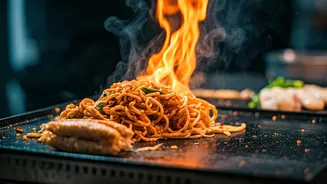
Food influencers and bloggers are now the digital-age tastemakers. Their visually rich content, highlighting colourful chutneys and sizzling preparations, makes Indian food irresistible to a global audience. Platforms like Instagram have become the primary review channel for the 18-35 demographic, with a majority checking a location's social media page before visiting. This has created a new dynamic where presentation is almost as important as taste. Dishes that are visually appealing or have a unique preparation style—think 'flying' dosa or cheese-loaded sandwiches—are more likely to be shared and go viral. In essence, food bloggers have become a bridge, connecting talented home chefs and small vendors to a much wider audience, creating a buzz that traditional marketing often cannot achieve.
A Double-Edged Samosa
While the benefits are undeniable, viral fame comes with its own set of challenges. The very thing that makes street food appealing—its authenticity and small-scale charm—can be threatened by sudden, overwhelming popularity. Vendors often struggle to maintain consistent quality when faced with a massive influx of customers. There are also persistent concerns about hygiene, which are often amplified on social media. Derogatory AI-generated videos mocking Indian street food hygiene have also become a form of negative stereotyping online. Moreover, the pressure to be 'Instagrammable' can sometimes lead to gimmicky food combinations with excessive amounts of cheese or butter, moving away from traditional recipes. The once-informal transaction is now a performance, with vendors navigating both cooking and being on camera for dozens of creators at once.
Reshaping a City's Culinary Identity
Ultimately, the collective impact of thousands of food videos goes beyond individual success stories. It functions as a form of decentralised public relations, shaping the culinary identity of an entire city. This user-generated content showcases the rich diversity of a city's food heritage in a way no official tourism campaign could. It highlights regional specialties, celebrates generational recipes, and fosters a renewed appreciation for local culinary traditions. By turning the spotlight on these small entrepreneurs, social media is not just helping them earn a livelihood; it's preserving and promoting a vital part of India's cultural fabric. Every shared post and viral video becomes a vote for the importance of street food, solidifying its place not just on our plates, but in our national identity.