

Embrace the Zero-Waste Kitchen
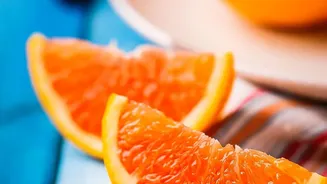
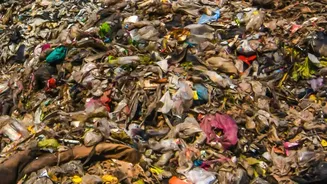
Every year, millions of pounds of citrus peels end up in landfills, where they release potent greenhouse gases. But these vibrant rinds are packed with flavour and potential. Making marmalade from leftover peels is a classic example of upcycling — turning
something that would be discarded into a valuable and delicious product. It's a small but impactful step towards a more sustainable kitchen, reducing food waste while rewarding you with a gourmet treat that tastes infinitely better than most store-bought versions.
The Secret to Non-Bitter Marmalade
Many people are hesitant to make their own marmalade, fearing it will be too bitter. The key to a balanced flavour lies in properly preparing the peels. The white part of the rind, known as the pith, is the primary source of bitterness. While some recipes call for painstakingly scraping it away, a simpler and highly effective method is to boil the peels. Place your sliced rinds in a pot, cover them with water, bring it to a boil for about 10 minutes, and then drain. Some cooks even recommend repeating this process twice to ensure a smoother, less bitter final product. This simple hack softens the peels and mellows their flavour, setting the stage for a perfectly balanced preserve.
Gather Your Simple Ingredients
The beauty of marmalade is in its simplicity. You only need a few basic ingredients. For a standard batch, you will need the peels from about 2-3 pounds of oranges, granulated sugar, water, and a fresh lemon. The lemon is crucial not just for its bright flavour, but because its natural pectin helps the marmalade set without commercial additives. The basic ratio is often equal parts by weight of prepared citrus and sugar. You’ll also need a large, heavy-bottomed pot to prevent scorching and clean, sterilised glass jars for storage.
Step-by-Step: From Peel to Preserve
First, wash your oranges thoroughly. After you've enjoyed the fruit, thinly slice the peels into strips. Perform the double-boil method described earlier to reduce bitterness. Once blanched and drained, return the peels to the pot with sugar, the juice and pulp from your oranges, and some sliced lemon. Add water, bring the mixture to a boil while stirring to dissolve the sugar, and then reduce the heat to a steady simmer. Cook for 45 minutes to an hour, stirring occasionally to prevent sticking. The marmalade is ready when it thickens and reaches its jellying point. A classic way to test this is by placing a small amount on a chilled plate; if it wrinkles when you push it with your finger, it’s ready. Skim off any foam before jarring.
Storage and Other Zero-Waste Hacks
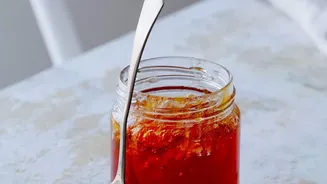
To ensure your marmalade lasts, it's essential to use properly sterilised jars. You can do this by washing them in hot, soapy water and then placing them in a low-temperature oven (around 140°C) until you're ready to fill them. Pour the hot marmalade into the hot jars, leaving a small amount of headspace at the top, and seal them tightly. Stored in a cool, dark place, properly sealed jars of marmalade can last for up to a year. Once opened, keep it in the refrigerator. Don't stop at marmalade; leftover orange peels can be used to make fragrant cleaning vinegar, infused oils for cooking, or dried and added to tea blends and spice rubs.