
The Hidden Cost of a Famous Peak
For decades, trekking routes to places like Everest Base Camp and the Annapurna Circuit have been bucket-list destinations. This popularity, however, comes at a high price. These well-trodden paths are now grappling with 'overtourism', a phenomenon where
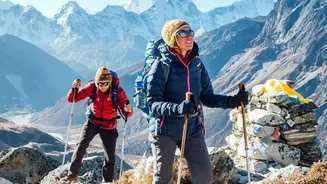
the sheer number of visitors exceeds the environment's capacity to cope. During peak seasons, some trails see hundreds of trekkers daily. This intense traffic leads to significant trail erosion, deforestation for firewood, and a staggering waste management crisis. Popular mountains have been nicknamed 'the world's highest garbage dumps' due to the tons of plastic bottles, food wrappers, discarded gear, and human waste left behind each year. In these fragile, high-altitude zones, where soil is thin and vegetation recovers slowly, the damage can be long-lasting and severe.
The 'Leave No Trace' Philosophy, Expanded
The core of responsible trekking is the 'Leave No Trace' principle, which advises adventurers to pack out everything they pack in. But choosing an uncrowded trail takes this ethos a step further. It is a proactive decision to reduce pressure on overburdened ecosystems before you even take your first step. By deliberately avoiding the trekking 'superhighways', you help give popular areas a much-needed chance to breathe and recover. This approach is not about avoiding iconic regions altogether, but about dispersing the impact. Instead of joining the queue at a famous viewpoint, you are actively participating in a more sustainable model of tourism that values preservation over peak-bagging. This shift in mindset is crucial for the long-term health of the entire Himalayan range.
How Spreading Out Heals the Land
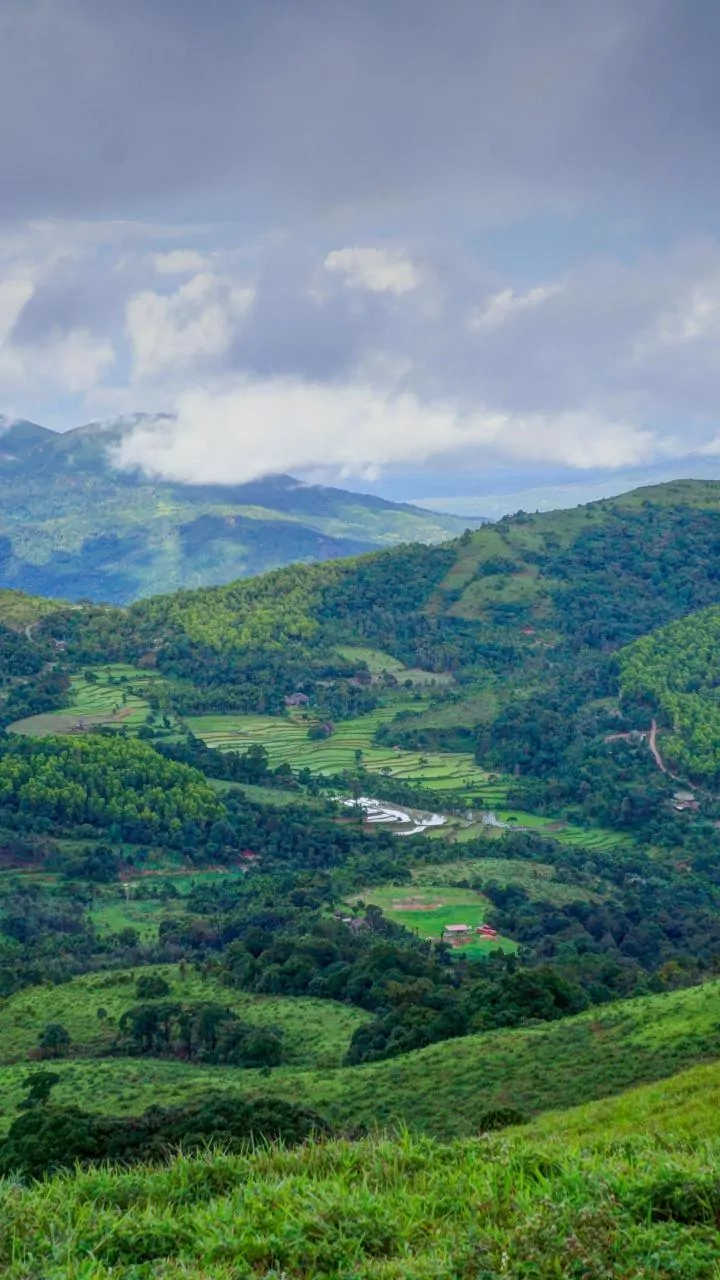
When tourism is concentrated in a few areas, the environmental stress is amplified. Waste pollutes local water sources, which not only harms wildlife but also affects the health of communities living downstream. By exploring lesser-known valleys and ridges, trekkers help distribute their footprint. This dispersal means that no single area bears the full brunt of tourism's impact. The land has a greater capacity to absorb the presence of a few, mindful visitors than it does a constant stream of large groups. A quieter trail means less soil compaction, less disturbance to wildlife, and less demand for firewood and other finite resources in one specific place. It is a simple but powerful way to contribute to the ecological resilience of the mountains.
The Traveler’s Reward: Authenticity and Solitude
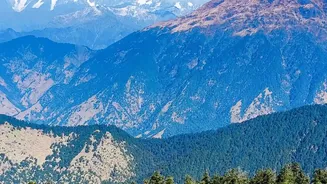
The benefits of this approach are not just environmental; they are deeply personal. While popular trails can sometimes feel like crowded thoroughfares with long waits at key points, quieter paths offer the solitude and serenity that many seek in the mountains. The experience becomes less about ticking off a famous name and more about genuine immersion in the landscape. You are more likely to have pristine views to yourself, experience the unfiltered sounds of nature, and forge a deeper connection with your surroundings. These trails often lead to more authentic cultural encounters, allowing for meaningful interactions in villages that are not overwhelmed by tourism, but rather welcome the thoughtful traveler.
Empowering Remote Communities
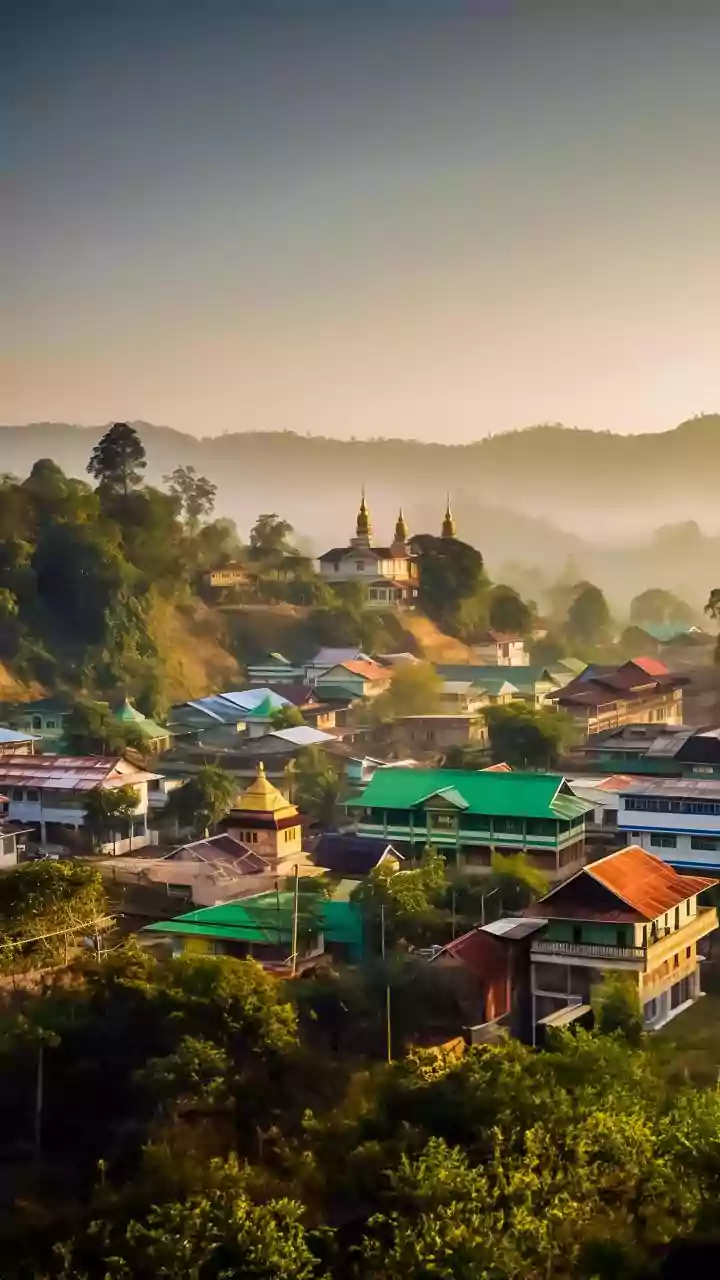
Overtourism tends to concentrate economic benefits in a few developed hubs, often bypassing more remote villages. When you choose to explore a less-travelled region with the help of local guides or by staying in community-run homestays, you are channelling your tourist spending directly into the hands of those communities. This creates sustainable livelihoods and provides an economic incentive for conservation. It empowers local people to protect their natural and cultural heritage because they see a direct benefit. This model of community-based ecotourism is a win-win, fostering economic resilience for remote villages while ensuring the landscapes they call home are preserved for generations to come.