




1. A Deep-Stained Dose of Nostalgia
For generations of Indians, the taste of jamun is inextricably linked to memories of summer holidays and the onset of monsoon. It’s the flavour of climbing trees, of pockets bulging with the day’s haul, and of proudly showing off a tongue stained deep
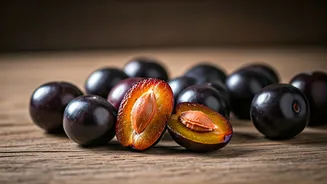
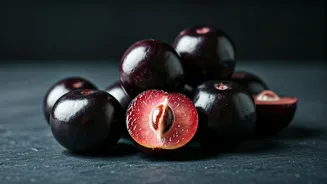
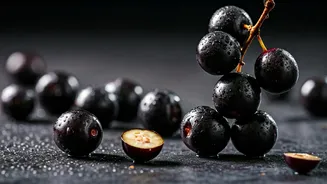
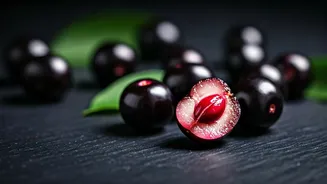
purple. This powerful nostalgic connection is a huge part of its enduring appeal. The fruit, also known as Java plum or black plum, carries with it the simple, unadulterated joy of seasons past. Every time you pop a jamun into your mouth, you’re not just tasting a fruit; you're tasting childhood, community, and the simple pleasure of a seasonal ritual. In a world of year-round imported fruits, the jamun’s fleeting, monsoon-specific appearance makes it all the more special, a delicious reminder to savour the present moment.
2. The Original Indian Superfruit
Long before 'superfruit' became a marketing buzzword, jamun was a powerhouse of nutrition in the Indian subcontinent. It’s celebrated in Ayurveda for its myriad health benefits. The most well-known of these is its potential role in managing blood sugar levels, making it a popular choice for those with diabetes. The fruit contains compounds like jamboline and jambosine that are believed to slow down the rate at which sugar is released into the bloodstream. Beyond that, jamuns are packed with antioxidants, particularly anthocyanins, which give them their dark colour and help fight free radicals. They are also a good source of Vitamin C and iron, which can help improve haemoglobin levels. This potent combination of benefits has given the humble jamun a 'health halo', turning it from a simple snack into a wellness staple.
3. From Street Carts to Gourmet Plates
Perhaps the biggest reason jamun is the 'flavor of the season' is its recent gourmet glow-up. Chefs and food innovators across India are rediscovering its unique flavour profile — a complex mix of sweet, tart, and astringent notes. This has led to an explosion of creativity in the kitchen. Boutique ice-cream brands are churning out rich Jamun Sorbet and Frosé (frozen rosé). Trendy bars are muddling the fruit into artisanal cocktails like Jamun Gin Sours and Mojitos. You can find Jamun Kulfi, cheesecakes, panna cotta, and even savory preparations like jamun-infused glazes for meats. This culinary elevation has introduced the fruit to a new audience and given its long-time fans exciting new ways to enjoy it. It proves that the jamun is not just a rustic fruit, but a versatile ingredient with modern appeal.
4. How to Pick and Enjoy Your Jamuns
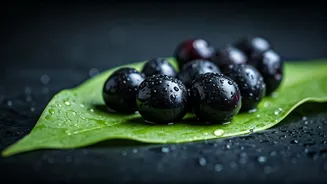
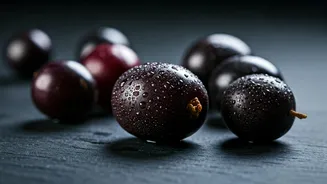
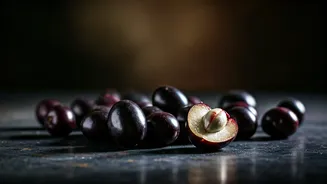
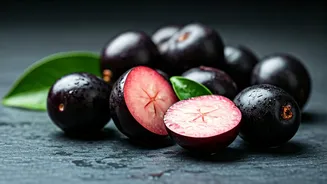
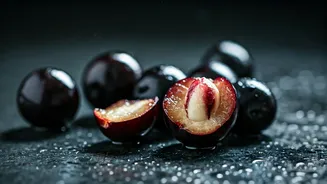
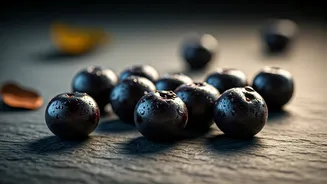
Ready to get in on the trend? Here’s how to make the most of jamun season. When buying, look for fruits that are plump, firm, and have a deep, uniform purplish-black colour. Avoid any that are bruised, mushy, or have a greenish tint, as they will be overly sour or unripe. The traditional way to eat them is with a pinch of black salt (kala namak), which brilliantly balances the fruit's sweet and astringent notes. For a quick and refreshing treat at home, try making a Jamun Cooler. Simply deseed a cup of jamuns, blend them with chilled water, a squeeze of lemon juice, a pinch of black salt, and a little sugar or honey if needed. Strain and serve over ice. It’s a simple, delicious way to beat the humidity and get your dose of this seasonal superstar.
5. Beyond the Season: Jamun All Year Round
While the fresh fruit’s season is tragically short, its legacy now lasts much longer. Thanks to its growing popularity, you can now find jamun in various forms throughout the year. One of the most popular is Jamun Sirka, or jamun vinegar. This fermented drink is prized for its digestive and health benefits and is often consumed diluted in water. You can also find jamun juice, both sweetened and unsweetened, in most supermarkets. For those who want to incorporate its benefits into their diet easily, dried jamun seed powder is a popular supplement, often used by those looking to manage their blood sugar naturally. These products ensure that the goodness of this incredible fruit is not just limited to the two months of monsoon.