






Why Constant Rain is Risky
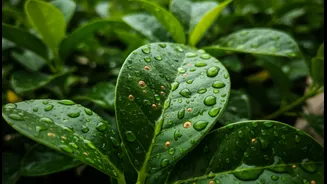
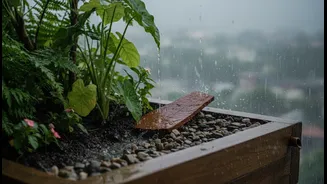
The number one enemy of potted plants during the rainy season is not the rain itself, but the excess water that stays behind. When soil remains saturated, it blocks oxygen to the roots. This suffocates the roots, causing them to decay. This condition,
known as root rot, is often fatal. Healthy roots are firm and white; rotting ones turn brown, soft, and mushy. Once the root system is compromised, the plant can no longer absorb the nutrients it needs to survive, leading to yellowing leaves, wilting, and eventual collapse.
Build a Strong Foundation: Pots and Soil
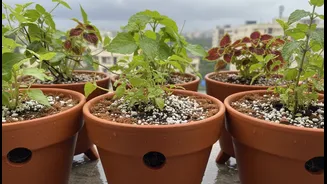
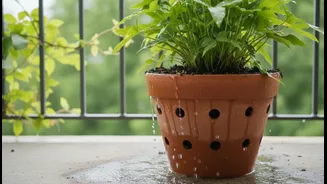
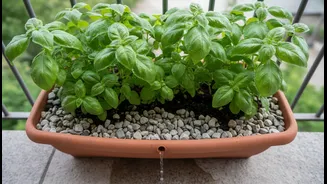
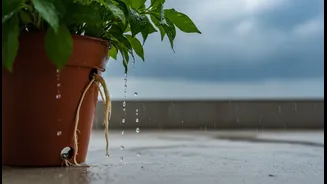
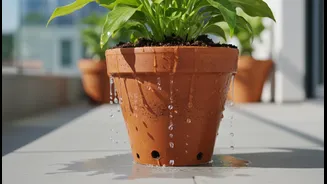
Prevention starts from the ground up. The first line of defence is your choice of pot and potting mix. Always use containers with drainage holes at the bottom—this is non-negotiable. These holes allow excess water to escape freely. For plants that are particularly sensitive to overwatering, porous terracotta pots can be a great choice as they help wick moisture away from the soil. Equally important is the soil itself. Avoid using heavy garden soil, which compacts easily and retains too much water. Instead, opt for a light, well-draining potting mix. These mixes often contain ingredients like perlite, cocopeat, or sand, which create air pockets and help water flow through quickly.
Give Your Plants a Lift
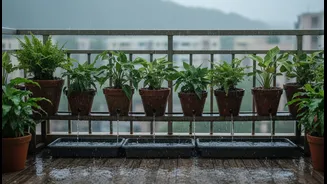
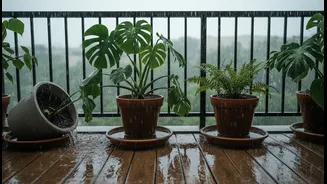
One of the simplest yet most effective tricks is to elevate your pots. Even if a pot has drainage holes, if it sits flat on the balcony floor, water can get trapped underneath, blocking the holes and preventing proper drainage. This creates a perpetually soggy environment at the base of the pot. You can easily solve this by placing your pots on 'pot feet', bricks, or even a few flat stones. Some gardeners even use simple hacks like placing bottle caps under the pot's edge. This small gap allows air to circulate and ensures that water can escape without any obstruction, making a huge difference during a heavy downpour.
Maintain Your Balcony's Drainage
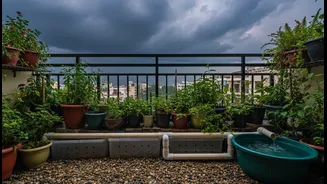
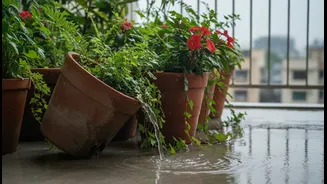
Plant drainage is only one part of the equation; your balcony's own drainage system is just as crucial. Before the monsoon sets in, take the time to inspect and clean your balcony's drain outlets. Remove any leaves, dirt, or debris that could cause a blockage. If water pools on your balcony, it will inevitably find its way into your pots, no matter how well they are set up. For balconies with railings that have a bottom channel, check the small 'weep holes' designed to let water out and clear them with a thin wire if needed. A well-draining balcony floor prevents water from stagnating, which not only protects your plants but also prevents structural damage and slippery surfaces.
The Impact on Your Indoor Oasis
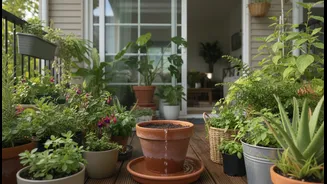
The dampness of the rainy season doesn't stop at your balcony door. High outdoor humidity raises the humidity levels inside your home as well. For many popular houseplants that hail from tropical regions, this is a welcome change. However, high humidity combined with poor air circulation can create a breeding ground for fungal diseases like powdery mildew, even on indoor plants. Ensure your indoor space is well-ventilated. You can do this by opening windows for a few hours when it's not raining or using a fan to keep the air moving. This helps prevent the stagnant, moist conditions that can harm your indoor greenery, ensuring your entire plant collection, both inside and out, stays healthy.
Strategic Shelter and Smart Care
Not all plants need to endure the full force of every downpour. For smaller, more delicate pots, consider moving them to a more sheltered spot against a wall or under an overhang during periods of very heavy rain. You can also group pots together; a cluster of pots is more stable and can help shield plants in the middle from wind and driving rain. Additionally, this is a good time to do some light pruning. Trimming lower leaves that are close to the soil improves airflow around the base of the plant, which helps the soil surface dry out faster and reduces the risk of fungal infections.