


Visby: The Hanseatic Jewel of the Baltic
Known as the 'City of Ruins and Roses', Visby is arguably Scandinavia's best-preserved medieval city and a UNESCO World Heritage site. Located on the island of Gotland, this former Hanseatic League powerhouse is encircled by a remarkable 3.4-kilometre-long
city wall, complete with defensive towers from the 13th century. Walking its winding lanes feels like stepping into a fairy tale. You'll discover the dramatic, soaring arches of the St. Karin church ruins, the still-active 12th-century Sankta Maria Cathedral, and over 200 historic buildings that speak to its golden age as a trading hub. The blend of romantic, ivy-covered ruins and the lively atmosphere of its squares makes Visby an unforgettable destination.
Sigtuna: Where Sweden Was Born
Often hailed as Sweden's very first town, Sigtuna was founded around 980 AD during the Viking Age by King Erik the Victorious. Nestled on the shores of Lake Mälaren, its charming main street, Stora Gatan, is believed to follow the same path it did over a thousand years ago. Sigtuna's history is written in stone—literally. The town boasts the world's highest concentration of Viking runestones, telling stories of ancient families and epic journeys. Visitors can explore the ruins of several early stone churches, such as St. Peter's and St. Olaf's, which mark the transition from paganism to Christianity. Don't miss the town hall, which dates to 1744 and holds the title of Sweden's smallest.
Lund: A Scholar's Sanctuary with Ancient Roots
Founded around 990, Lund is a vibrant university city built upon a deep medieval foundation. Its skyline is dominated by the magnificent Lund Cathedral, a masterpiece of Romanesque architecture consecrated in 1145. Once the seat of the archbishop for all of Scandinavia, the cathedral's grandeur, with its astronomical clock and imposing twin towers, reflects the city's historical importance. Lund University, founded in 1666, grew around this ecclesiastical heart, and its historic buildings are scattered throughout the old town. Strolling the preserved medieval streets gives you a sense of this dual identity, where ancient history and youthful academic energy coexist seamlessly.
Ystad: Half-Timbered Charm and Seaside Stories
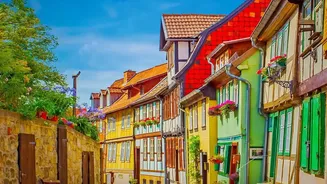
On Sweden's southern coast lies Ystad, a picture-perfect town known for its pastel-coloured, half-timbered houses and cobblestone lanes. Much of its distinctive architecture reflects an early Danish influence, with hundreds of buildings dating back centuries. Key historical sites include the 12th-century Greyfriars Monastery and the impressive St. Mary's Church (Sankta Maria Kyrka). In recent years, Ystad has gained international fame as the setting for Henning Mankell's 'Wallander' crime novels, and fans can follow in the detective's footsteps through the very streets described in the books. Beyond the mystery, the town offers a delightful atmosphere where history is a part of everyday life.
Vadstena: A Lakeside Town of Piety and Power
Set on the tranquil shores of Lake Vättern, Vadstena is defined by two monumental structures: its castle and its abbey. Vadstena Castle, one of Sweden's best-preserved Renaissance castles, was built by King Gustav Vasa in 1545 as a fortress. Equally significant is the legacy of Saint Bridget (Birgitta) of Sweden, who founded the Bridgittine Order here in the 14th century. The impressive Vadstena Abbey, known as the 'Blue Church', became a major pilgrimage site. The town itself is rich with history, containing Sweden's oldest town hall (from the 15th century) and the 13th-century Royal Palace, which later became part of the convent. This combination of royal power and religious devotion gives Vadstena its unique, contemplative character.