








As winter approaches, the crisp air often brings an invisible threat: a sharp decline in air quality. For millions in India, this seasonal shift can trigger significant respiratory stress. Understanding how to react is key to staying healthy.
Why Air Quality Declines in Winter
The drop
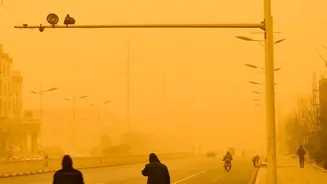
in temperature is a primary reason for worsening air quality. During winter, a phenomenon known as temperature inversion occurs. Typically, warmer air sits near the ground and rises, dispersing pollutants. In winter, the ground cools rapidly, trapping a layer of cold, dense air beneath a layer of warmer air above it. This 'lid' prevents pollutants from rising and scattering, causing them to accumulate near the ground where we breathe. Compounding this are lower wind speeds, which lead to stagnant air masses that keep pollution concentrated in one area. Human activities also play a major role. Increased energy use for heating, smoke from agricultural stubble burning in northern states, and emissions from festival firecrackers all contribute to the toxic mix. This combination of meteorological conditions and emission sources creates the perfect storm for hazardous winter smog.
Understanding the Air Quality Index (AQI)
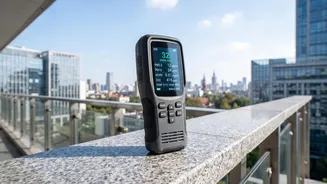
The Air Quality Index, or AQI, is a simple tool to understand a complex problem. Managed in India by the Central Pollution Control Board (CPCB), the AQI translates complicated pollutant data into a single number, a category, and a colour, making it easy for anyone to gauge the air's health risk. The scale runs from 0 to 500 and is based on the concentration of eight major pollutants, including fine particulate matter like PM2.5 and PM10, which are small enough to penetrate deep into the lungs. The final AQI number you see is not an average; it is determined by the pollutant with the highest concentration at that time. This 'One Number, One Colour, One Description' system helps citizens quickly assess their local air quality.
Decoding the AQI Categories
The CPCB has divided the AQI scale into six distinct categories to help guide public action:
- 0-50 (Good - Green): Minimal impact. Air quality is considered satisfactory.
- 51-100 (Satisfactory - Light Green): May cause minor breathing discomfort to sensitive people.
- 101-200 (Moderate - Yellow): Can cause breathing discomfort to people with existing lung or heart conditions, as well as children and older adults.
- 201-300 (Poor - Orange): May cause breathing discomfort to most people upon prolonged exposure.
- 301-400 (Very Poor - Red): Can lead to respiratory illness after prolonged exposure, especially for those with existing health conditions.
- 401-500 (Severe - Maroon): Affects even healthy people and poses a serious threat to those with pre-existing diseases.
Your Action Plan for High AQI Days
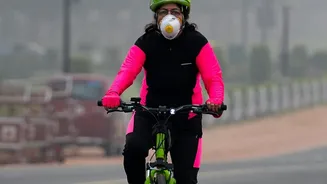
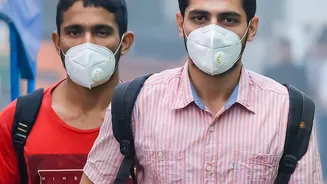
Knowledge of the daily AQI is only useful if you act on it. Make checking the AQI—available on apps like SAFAR-Air and CPCB's website—a daily habit, just like checking the weather. On days when the AQI is 'Poor' or worse, it is crucial to modify your routine. Avoid strenuous outdoor activities like jogging, cycling, or playing sports, especially during morning and evening hours when pollution can be at its peak. If you must go outside, wearing a well-fitting N95 or N99 mask can provide a significant layer of protection by filtering out fine particulate matter. Sensitive groups, including children, the elderly, and individuals with asthma or heart conditions, should avoid outdoor exposure altogether when the AQI enters the 'Very Poor' or 'Severe' categories.
Improving Your Indoor Sanctuary
Since we spend more time indoors during winter, ensuring your home is a safe haven is critical. Indoor air can sometimes be more polluted than outdoor air, as pollutants can get trapped inside with poor ventilation. Using a high-efficiency particulate air (HEPA) filter can effectively remove many airborne particles from your indoor environment. It's also wise to avoid burning candles or incense, which release particulate matter. Ensure gas stoves and heaters are well maintained and properly ventilated to prevent the buildup of harmful gases like carbon monoxide. Increasing ventilation by opening windows for short periods can help, but only do so when the outdoor AQI is in a safer range.