


What Exactly Is a Textured Fringe?
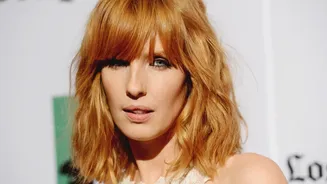
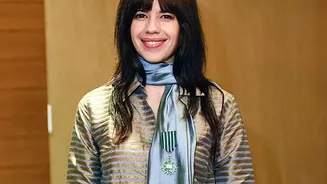
A textured fringe is a type of bang that is cut to create softness, movement, and a more natural, lived-in feel. Unlike a blunt fringe, which is cut in a solid, straight line, a textured fringe is achieved through techniques like point-cutting or using
a razor to create feathered, slightly uneven ends. The result is a lighter, airier bang that doesn't sit heavy on the forehead, but instead has dimension and blends more seamlessly into the rest of your hair. This 'imperfect' look is what makes it so perfect for casual, everyday style.
The Effortless Wispy Fringe
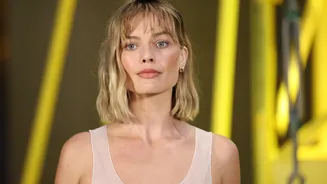
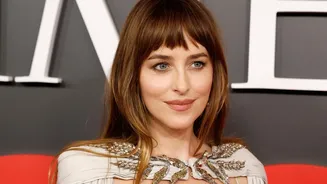
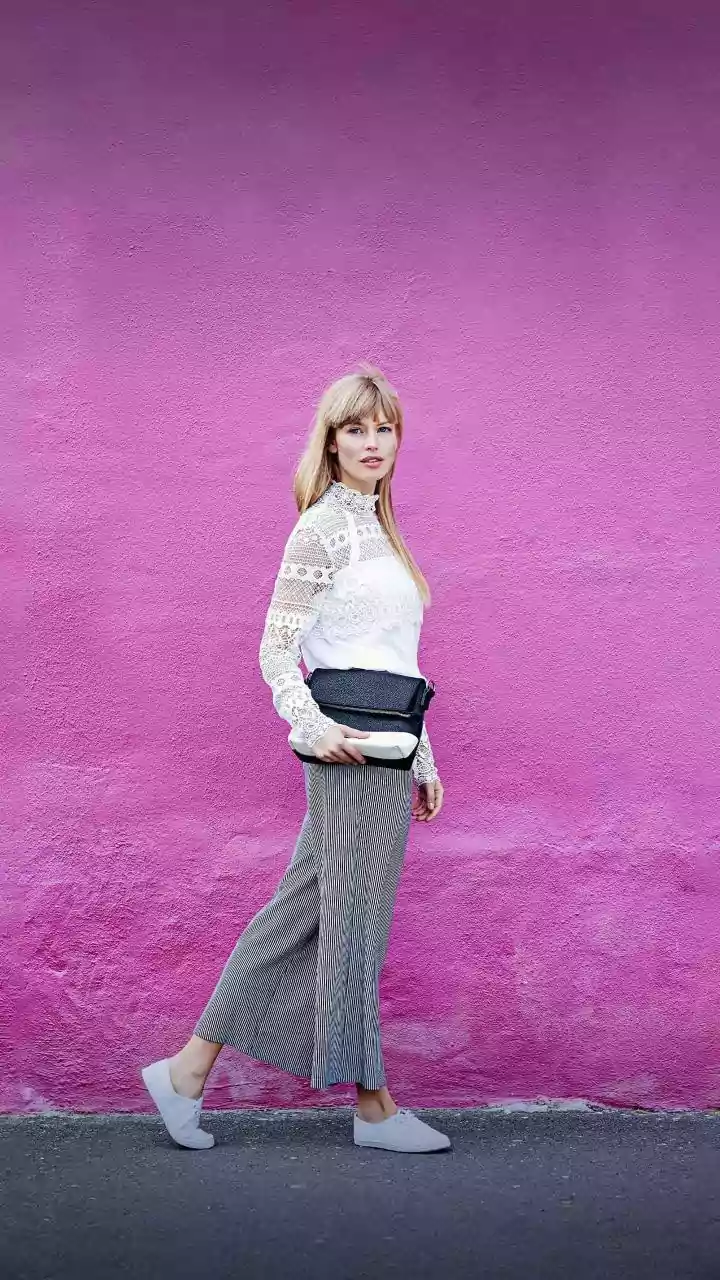
If you're new to bangs or have fine hair, a wispy fringe is an ideal starting point. This style consists of a light, feathery fringe that sits delicately on the forehead. The strands are fine and slightly separated, giving you the face-framing effect without the weight. Wispy bangs are incredibly versatile, suiting most face shapes, especially oval and square, by adding a touch of softness. They are also famously low-maintenance, growing out beautifully and blending into face-framing layers with ease.
The Bold Choppy Fringe
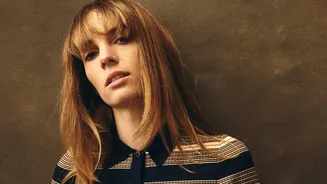
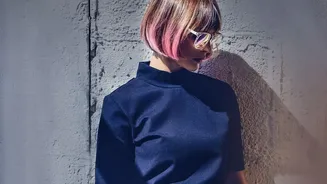
For those wanting a bit more edge, the choppy fringe is an excellent choice. This style is intentionally cut to look messy and unpolished, with more noticeable variations in length. It adds instant texture and a cool, modern vibe to any haircut, from a short bob to long, shaggy layers. Styling is often as simple as working a small amount of pomade or texture spray through the strands to enhance the separated, piecey look. Choppy bangs are great for making a statement and work well to accentuate your eyes and cheekbones.
The Versatile Curtain Fringe
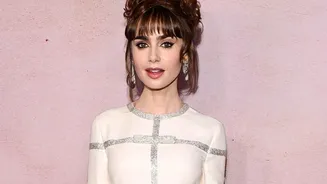
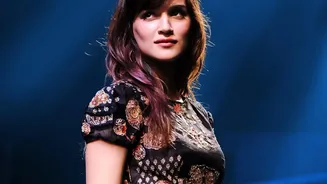
Arguably the most popular fringe of the last few years, curtain bangs are a longer, parted style that sweeps to the sides, framing your face like, well, a curtain. This 70s-inspired look is incredibly flattering on most face shapes, particularly round faces, as it can create an elongating effect. They can be cut to a soft, wispy texture, making them easy to style and grow out. You can blow-dry them away from your face for that classic bouncy swoop or let them air-dry for a more relaxed feel.
How to Ask Your Stylist
Communication is key to getting the fringe you want. Instead of just asking for 'bangs', use specific language. Bring reference photos to show your stylist exactly what you're hoping to achieve. Use descriptive words like 'textured', 'wispy', 'choppy', or 'piecey' instead of 'blunt'. It's also helpful to ask for the ends to be point-cut or razored for a softer finish. Mention that you want them to blend into your layers for a seamless look, and don't be afraid to ask for them to be cut slightly longer at first—you can always trim more off.
Styling Your Fringe at Home
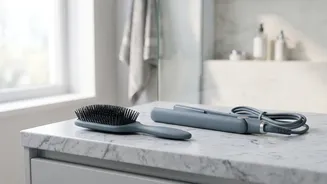
Styling a textured fringe is all about enhancing its natural movement, not forcing it into place. A blow-dryer and a round brush are your best friends for achieving a polished look, especially for curtain bangs. For a messier, choppy style, a bit of matte clay or texture spray applied with your fingers is all you need. One of the biggest challenges is oil from your forehead, so a good dry shampoo will be essential for keeping your fringe looking fresh and voluminous between washes. Remember, the goal is an effortless look, so don't overstyle it.