



The Art of the Balancing Act
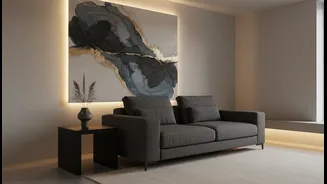
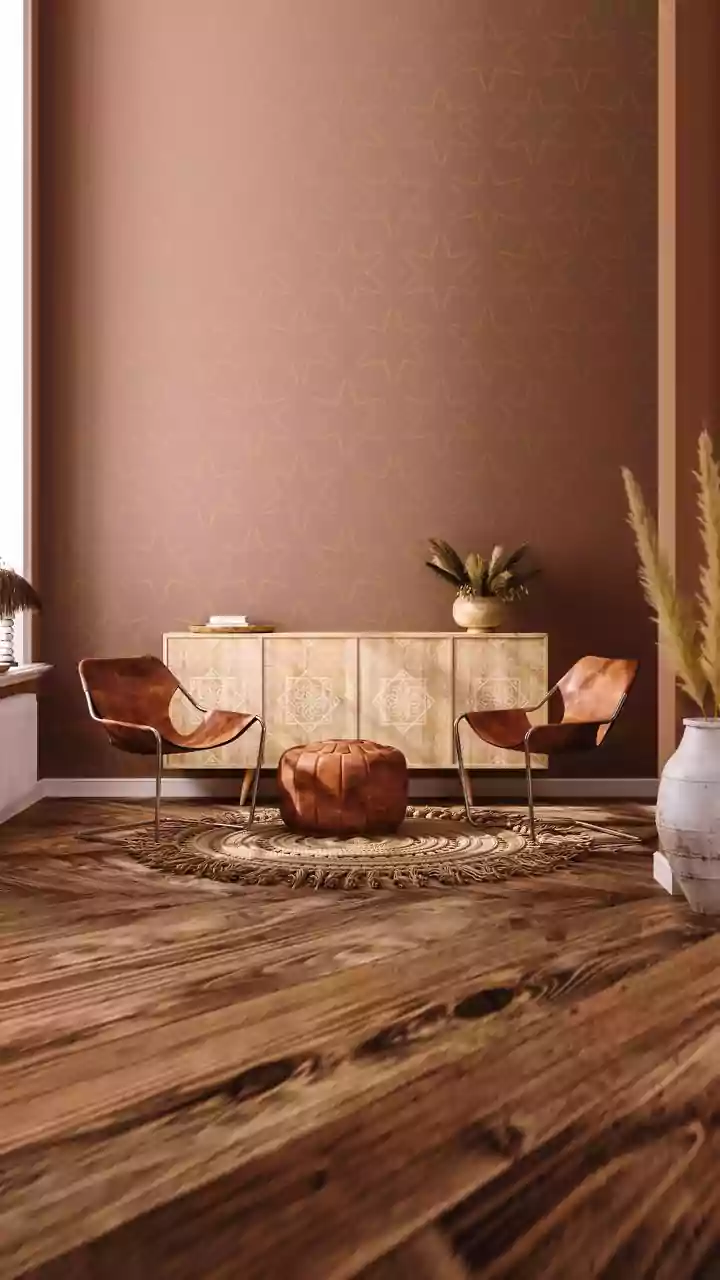
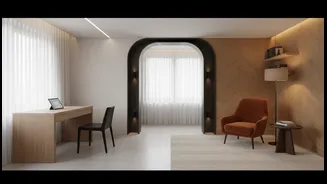
The design principle is simple: contrast creates balance. Warm, dark, or honey-toned woods can have a strong visual presence. When you place these elements in a room with dark walls or a cluttered layout, the space can feel smaller and heavier. However,
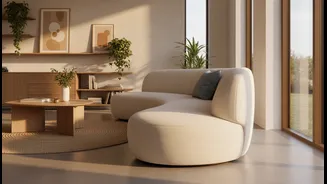
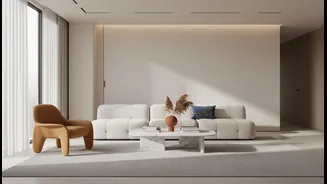
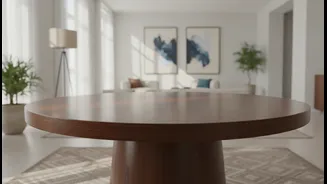
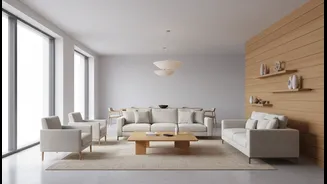
when you set the same wood against a backdrop of light, reflective surfaces and open space, the effect is entirely different. The lightness of the surroundings counteracts the visual weight of the wood, making the wood's grain and warmth the star of the show without overwhelming the room. This creates a harmonious space that feels both cosy and expansive. It’s a classic technique because it taps into how we perceive light and space, making rooms feel inviting and balanced.
Choose Your Wall Colour Wisely
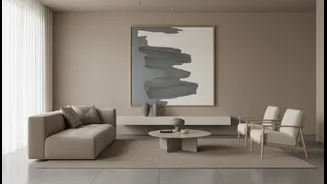
The simplest way to create a bright backdrop is with paint. While pure, bright white can sometimes create too harsh a contrast, other shades work beautifully. Consider creamy whites, like alabaster, which have warm undertones that harmonize with the wood instead of fighting it. Soft, light greys or greige can provide a neutral, modern canvas that allows the wood tones to pop. For a touch more colour, look to cool, soft blues or sage greens. Because green is opposite red on the colour wheel, it naturally complements wood with reddish or orange undertones, bringing out the beauty of the grain without exaggerating the colour. The key is to select colours that reflect light and provide a subtle contrast.
Embrace Open Space
An “open floor space” doesn’t necessarily mean you need a massive, open-plan home. It’s more about how you arrange what you have. Creating a sense of flow and avoiding clutter is essential. Using the same flooring, such as hardwood, throughout an area creates a seamless visual line that makes a space feel larger and more connected. When arranging furniture, avoid overcrowding. Leave breathing room between pieces to create a sense of openness. Using furniture with slimmer frames or raised legs can also help, as it allows light and air to circulate more freely. Area rugs can effectively define different zones—like a living area or dining space—without putting up walls, preserving the continuous flow.
Let There Be Light
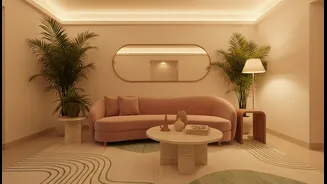
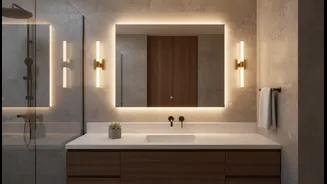
Light, both natural and artificial, is the final, crucial ingredient. An abundance of natural light makes any space feel brighter and more open. Arrange your room to maximize it; avoid blocking windows with heavy furniture or dark, bulky curtains. Mirrors are a classic designer trick for a reason—placing one opposite a window can dramatically increase the amount of light in a room. When it comes to artificial lighting, think in layers. A combination of overhead ambient lighting, task lighting like reading lamps, and accent lighting to highlight artwork can create a warm and inviting atmosphere in the evening. Proper lighting doesn't just illuminate the space; it enhances the texture of the wood and the colour of the walls, tying the entire design together.
Finishing Touches Matter
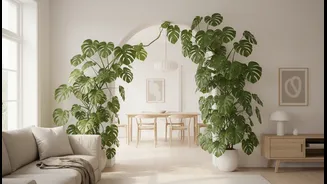
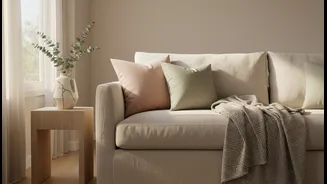
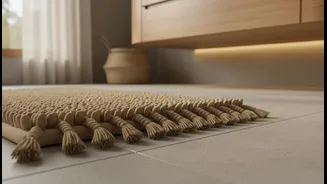
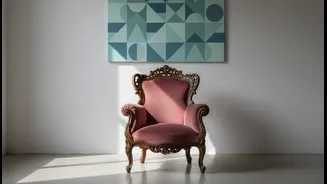
With your wood, walls, and layout in harmony, the final touches bring the room to life. Textiles are a great way to add softness and another layer of texture. Light-coloured curtains, neutral-toned sofas, and soft-hued cushions can reinforce the airy feel. This doesn’t mean you can’t use colour. In fact, a neutral backdrop is the perfect canvas for pops of colour in accessories like artwork, vases, or throw blankets. These accents can tie everything together and add personality. The goal is to choose items that complement the balanced, warm-yet-light aesthetic you've created, ensuring the room feels curated, comfortable, and uniquely yours.