




The Genius of Cooking in One Pot
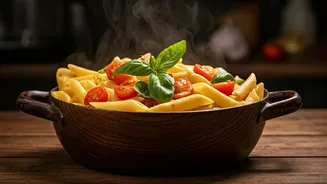
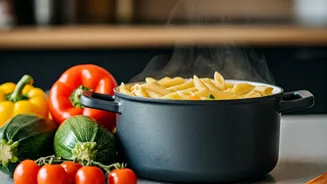
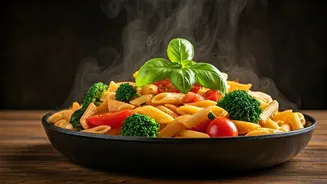
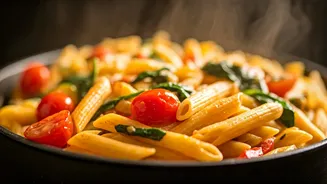
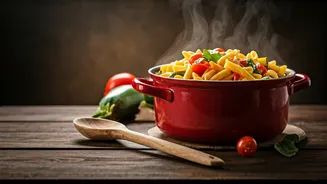
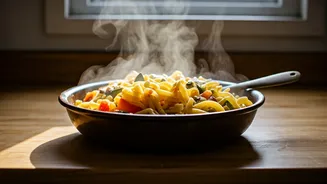
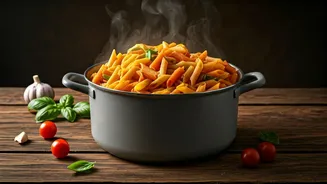
The concept of one-pot pasta is brilliantly simple: every ingredient, from the uncooked pasta and vegetables to the proteins and sauce components, cooks together in a single large pot or skillet. The dry pasta cooks directly in the sauce, absorbing the broth
and seasonings as it softens. This method not only infuses the pasta with incredible flavour from the inside out, but it also creates a naturally creamy sauce. The starches released from the pasta thicken the surrounding liquid, resulting in a cohesive and satisfying dish without the need for a separate colander or sauce pan.
Your New Favourite Weeknight Strategy
The most celebrated benefit of one-pot cooking is, without a doubt, the dramatically reduced cleanup. With only one pot, a cutting board, and a utensil or two to wash, you can reclaim precious evening time. This technique is a time-saver, often bringing a complete meal to the table in 30 minutes or less. It’s also an economical and efficient way to cook, allowing you to use up vegetables and pantry staples like canned tomatoes and broth. By cooking everything together, you also retain more of the nutrients that can be lost when boiling and draining ingredients separately.
Keys to One-Pot Perfection
Success with one-pot pasta hinges on a few key principles. First, use the right pot; a wide, heavy-bottomed Dutch oven or large skillet ensures even heating and prevents scorching. Second, manage your liquid. It's crucial to have enough broth or water for the pasta to absorb, but too much can lead to a soupy result. A good starting point is about 4 cups of liquid for every pound of pasta, but be prepared to add more if needed. Using broth instead of water is a simple way to build a more flavourful foundation. Finally, stir frequently. This prevents the pasta from sticking to the bottom of the pot and ensures everything cooks evenly.
Simple Flavour Combinations to Try
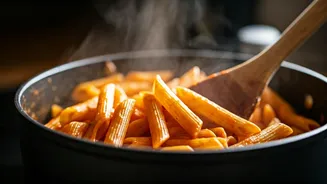
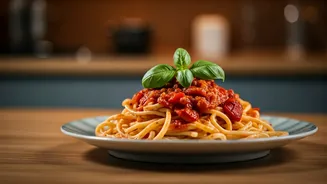
The versatility of one-pot pasta is one of its greatest strengths. For a classic taste, combine uncooked penne with marinara sauce, a can of diced tomatoes, vegetable broth, onions, and garlic. Let it simmer until the pasta is al dente, then stir in fresh spinach and parmesan cheese at the end. Another popular option involves browning Italian sausage, then adding pasta, chicken broth, and cream, finishing with parmesan and fresh herbs. For a lighter dish, try cooking orzo with chicken, broth, lemon, and herbs. Don't be afraid to add proteins like shredded rotisserie chicken or canned white beans for an extra boost.
Avoiding Common Pitfalls
A few common missteps can derail a one-pot pasta dinner. A primary issue is ingredient timing. Hardy vegetables should go in earlier, while delicate greens like spinach or fresh herbs should be stirred in just before serving to prevent them from overcooking. If you're using meat that needs to be browned, cook it first in the pot, remove it, and then add it back in with the other ingredients to simmer. Also, be mindful of your heat. After bringing the liquid to a boil, reduce the heat to a steady simmer to allow the pasta to cook through without the sauce reducing too quickly. If the liquid evaporates before the pasta is cooked, simply add a bit more hot broth or water.