






Start with the Official Source: IMD
Your most reliable source for weather in India is the India Meteorological Department (IMD), the government's official agency. The IMD provides detailed forecasts, weather warnings, and radar imagery that are often more accurate for the subcontinent than
international services. Their website offers city-specific forecasts, special bulletins for cyclones or heavy rainfall, and extended-range predictions. For on-the-go updates, the IMD has its own mobile app called 'Mausam'. This app provides current weather information, hourly and daily forecasts, and alerts for severe conditions, available in 12 different Indian languages. Using the IMD as your baseline is a smart first step for any travel planning.
Navigating International Weather Apps
While international apps like AccuWeather, The Weather Channel, and Weather Underground are popular and user-friendly, their precision in India can be a mixed bag. Many users find them reliable for major cities and daily use. Features like AccuWeather's 'MinuteCast' for short-term precipitation or WeatherBug's 'Outdoor Sports Index' can be helpful for activity planning. However, for hyperlocal accuracy, especially in rural or remote areas, these apps might fall short. It's worth noting that many global apps often use data from national agencies like the IMD in their models. Therefore, it's best to use these apps as a secondary source or to cross-reference with IMD's official forecasts.
October Weather: A Regional Breakdown
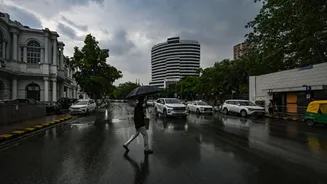
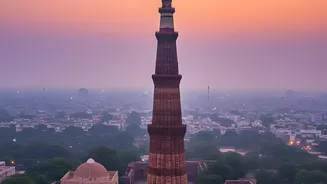
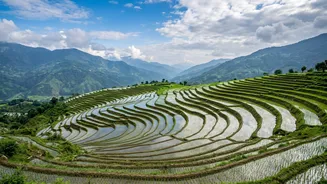
India's weather in October is not uniform; it varies dramatically by region. In North India, including Delhi, Rajasthan, and Uttar Pradesh, October brings pleasant, dry, and sunny weather as the monsoon has fully withdrawn. Temperatures are warm but comfortable, making it ideal for sightseeing. The Himalayan regions of Himachal Pradesh and Uttarakhand also see clear skies and favourable trekking conditions, though temperatures drop significantly at night. In contrast, South India presents a different picture. While Goa and parts of Kerala see a reduction in rain, Tamil Nadu and surrounding areas begin to experience the Northeast Monsoon, bringing showers. Central India is generally pleasant and dry, while the Northeast sees lush landscapes post-monsoon.
Beyond the Apps: Practical Tips
A forecast is just a probability. To be truly prepared, think beyond the next 24 hours. Check historical weather data for your destination to understand typical temperature ranges and rainfall for October. This helps in making better packing decisions. Secondly, always pack in layers. Pleasant daytime temperatures can quickly turn into chilly evenings, especially in the northern plains and hill stations. A light jacket or shawl is indispensable. For southern regions or areas with chances of rain, quick-drying clothes and a compact umbrella are wise additions. Finally, maintain a flexible itinerary. If a heavy downpour is forecast for your beach day in Kerala, have a backup plan to explore indoor markets or museums instead.
Your Pre-Trip Weather Checklist
Before you finalise your plans, run through this simple checklist. One week before your trip, start monitoring the IMD's extended-range forecast for your specific destinations. Three days before, check the detailed city-level forecasts on the 'Mausam' app and your preferred international app. Pack according to the regional advice: warmer layers for the north and mountains, and light rain gear for the south. Download offline maps and save key contacts, as internet connectivity can be unreliable in remote areas, preventing you from checking live weather. By combining official data with practical preparation, you can ensure that your October trip to India is enjoyable, no matter what the weather brings.