





What Is Breath Awareness?
At its core, breath awareness is simply the practice of paying attention to your breath without trying to change it. Think of it as an anchor to the present moment. Our minds are constantly wandering, pulled toward yesterday’s worries or tomorrow’s to-do
list. When you focus on the physical sensation of breathing—the air entering your nostrils, your chest rising and falling—you give your mind a gentle, neutral place to rest. It’s not about achieving a state of perfect calm or emptying your mind; it's about noticing. This simple act can help interrupt spirals of stressful thoughts and bring you back to your body.
Wellness Tool vs. Medical Treatment
Here's where the context is crucial. Intentionally slowing your breath can activate the parasympathetic nervous system, also known as the 'rest and digest' system. This can lower your heart rate, reduce blood pressure, and create a physiological sense of calm, which is fantastic for managing in-the-moment stress. Scientific studies confirm that various breathwork practices can significantly reduce self-reported symptoms of stress and anxiety. However, managing momentary stress is different from treating a clinical anxiety disorder. While breathwork can be a valuable supportive tool used alongside other therapies, it is not a replacement for professional medical treatment for persistent, debilitating anxiety.
A Simple Start: Box Breathing
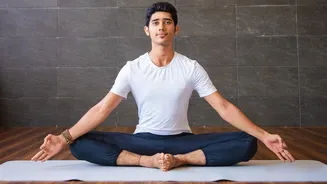
One of the most accessible techniques for beginners is Box Breathing, used to calm the nervous system. It’s easy to remember and can be done anywhere. Start by finding a comfortable seat. Then, follow these four simple steps: 1. Inhale slowly through your nose for a count of four. 2. Gently hold your breath for a count of four. 3. Exhale slowly and completely through your mouth or nose for a count of four. 4. Hold the exhale for a count of four before beginning again. Repeat this cycle for a minute or two. The equal-sided 'box' gives your mind a simple structure to follow, steadying your focus and your breathing pattern.
Another Method: The Physiological Sigh
Another powerful, science-backed technique is the 'physiological sigh'. Your body naturally does this to reset your nervous system when you're feeling stressed or tired. You can also do it intentionally for a quick calming effect. The method is simple: take a full breath in through your nose, and then, without exhaling, take a second, shorter inhale to expand your lungs completely. Finally, let it all go with a long, slow exhale through your mouth. Research has shown that exercises emphasizing a prolonged exhalation, like this one, are particularly effective at improving mood and reducing respiratory rate.
Building a Gentle Habit
The key to making breath awareness work for you is consistency, not intensity. You don't need to meditate for an hour a day. Start small. Try practicing for just one or two minutes each morning or before bed. You can also link the practice to an existing daily habit, like while you wait for your coffee to brew or right after you sit down at your desk. The goal isn't to force relaxation but to build a habit of checking in with yourself. Some days it will feel calming; other days your mind will be busy. That’s perfectly normal. Just notice it, and gently guide your attention back to the breath.