



The Five-Digit Number Is Your True North
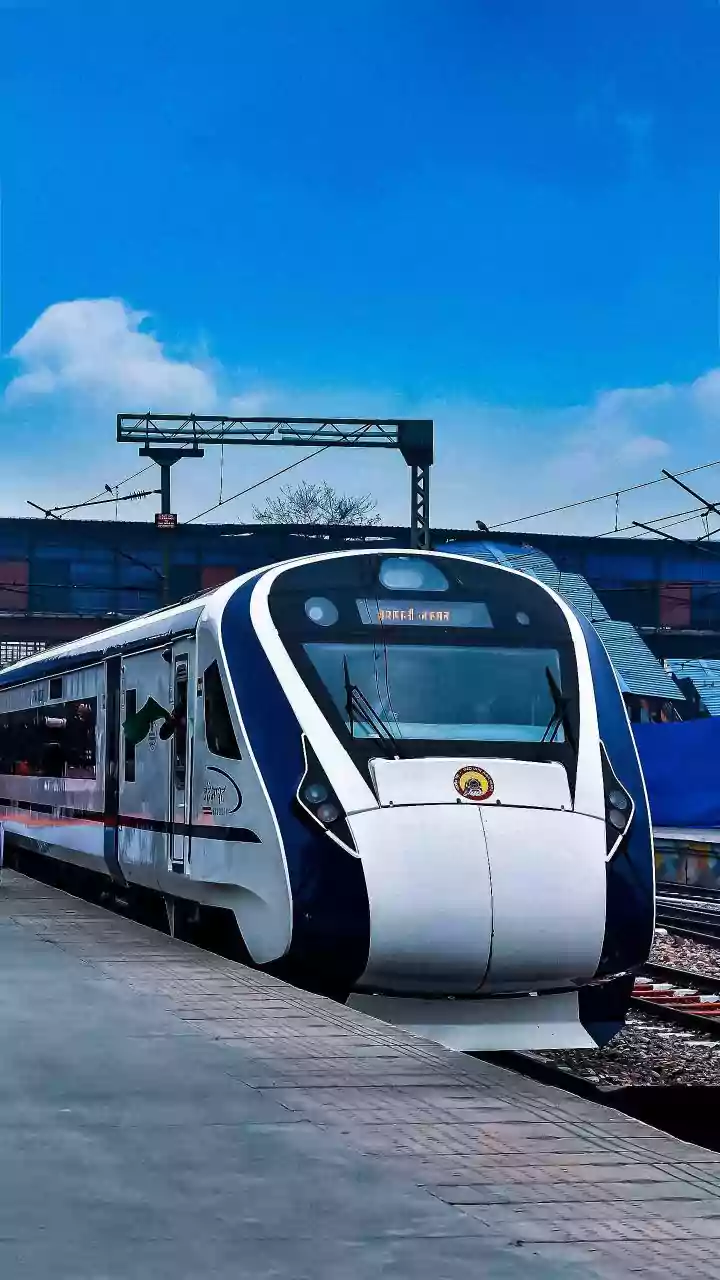
The single most important piece of information for any train journey is not its name, but its unique five-digit number. Indian Railways assigns a distinct number to every single service. While names like 'Express' or 'Superfast' can be shared across multiple
routes, the number is exclusive to one specific train on its designated path. For example, the Howrah-Kalka Mail and the Mumbai-Howrah Mail are different trains, but their unique numbers ensure they are never mixed up in the system. When booking and boarding, always treat the train number as the ultimate source of truth.
Decoding the Train Number
Understanding the five-digit system can provide useful clues. The system, implemented in December 2010, categorises trains by their type. Numbers starting with '0' are for special services, while '1' and '2' are for long-distance trains like Rajdhani, Shatabdi, and other expresses. Suburban trains in cities like Kolkata, Chennai, and Mumbai have numbers beginning with '3', '4', and '9' respectively. The second digit often points to the railway zone. For instance, a number starting with '12' indicates a superfast train. While you don't need to memorise the entire system, knowing these basics helps in quickly identifying the type of train you're booking.
A Pre-Booking Checklist for Accuracy
Mistakes often happen during the booking process. To prevent them, follow a strict checklist. First, always use the official IRCTC website or app for bookings to ensure you get accurate information. Before searching, double-check the spellings and, more importantly, the station codes for your source and destination. Major cities have multiple stations (e.g., Delhi has DLI, NDLS, ANVT), and choosing the wrong one is a common error. Once you see the search results, carefully compare the train numbers, not just the names. Verify the departure and arrival times to ensure they match your schedule. Creating a 'Master List' of passengers in your IRCTC profile can also speed up the process and reduce errors during checkout.
Understanding the Naming Conventions
Why are so many names similar? Indian Railways often names trains based on regions (Gondwana Express), rivers (Tapti Ganga Express), historical figures, or literary works (Gitanjali Express). Some names describe the train's function. 'Rajdhani' means 'capital' and connects state capitals to Delhi. 'Sampark Kranti' means 'connectivity revolution' and connects states to the national capital. 'Duronto', meaning 'restless' in Bengali, describes non-stop or limited-stop long-distance trains. Knowing these conventions can help you understand why, for example, there are multiple Sampark Kranti trains, each serving a different state.
Final Checks at the Railway Station
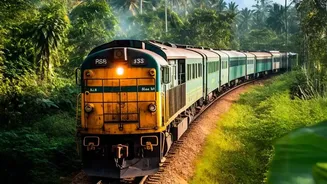
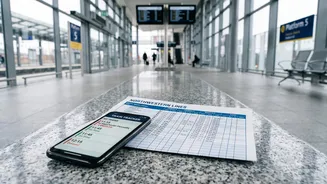
Your diligence shouldn't end after booking. At the station, confusion can still arise on crowded platforms. The first step is to check the large digital display boards, which show the train number, name, and scheduled platform. For real-time updates, use the National Train Enquiry System (NTES) app or website, which often provides platform information a few hours before departure. When the train arrives, physically check the number displayed on the engine and on the side of the coaches. Do not board based on the name alone. If in doubt, always ask an authorised railway official or at an enquiry counter.