





Why Are Oil Prices Climbing Again?
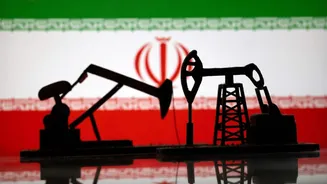
The recent surge in crude oil prices is being driven by a combination of global factors. Renewed geopolitical tensions in the Middle East, particularly involving the US and Iran near the Strait of Hormuz, have raised concerns about potential supply disruptions.
This vital channel handles about a fifth of the world's oil trade, and any instability there makes the market nervous. This geopolitical risk, combined with attempts by major oil-producing nations to manage supply, has pushed prices for immediate delivery higher, a market condition known as 'backwardation' which signals tight current supply. As of late August 2026, Brent crude, the international benchmark, has been trading around the $90-$92 mark, while West Texas Intermediate (WTI) is in the mid-$80s.
The Most Obvious Pinch: At the Petrol Pump
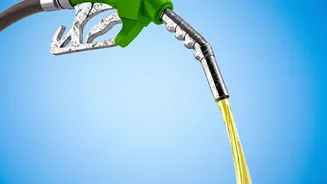
For Indian consumers, the most direct impact is at the fuel station. Since India imports over 80% of its crude oil, international price movements have a significant effect on domestic petrol and diesel rates. However, the price you pay isn't just about crude costs. It's determined by a complex formula that includes the price of refined petrol and diesel in the international market, which is then converted to rupees. On top of that, central and state taxes (Excise Duty and VAT) make up a huge portion of the final retail price—often as much as 60%. This is why even when global crude prices fall, pump prices in India may not decrease proportionally, as taxes can be adjusted. With the daily pricing mechanism, any sustained rise in global rates is passed on to consumers relatively quickly.
Planning a Trip? Your Flight Might Cost More
Airlines are extremely sensitive to fuel costs, with Aviation Turbine Fuel (ATF) accounting for 40-50% of their operational expenses. When crude prices rise, ATF prices follow, squeezing airline margins. To compensate, airlines often pass these costs on to passengers through higher fares or increased fuel surcharges. In fact, recent reports suggest that even if jet fuel prices ease slightly, airlines in the Asia-Pacific region, including India, may keep fares elevated because passenger demand has remained strong. Travellers have so far seemed willing to absorb higher ticket prices, giving carriers little incentive to lower them. A recent analysis even suggested that a doubling of fuel costs could lead to fare increases of around 20-25%.
The Hidden Costs: Public Transport and Daily Goods
The ripple effects of rising oil prices go far beyond your personal car or flight ticket. The cost of diesel is a critical component for the entire logistics and transport industry in India. Trucks, which handle the majority of freight movement in the country, run on diesel. When diesel becomes more expensive, the cost of transporting everything from vegetables and groceries to clothing and electronics increases. Transporter associations often introduce a 'Fuel Adjustment Factor' (FAF), which allows them to automatically increase freight charges to cover rising fuel costs. This increase in logistics costs is then passed down the supply chain, from manufacturer to wholesaler to retailer, and finally, to you, the consumer. It means higher prices for everyday essentials, not just transport. Even local auto-rickshaw and bus fares can be affected as operators face higher running costs.