

The Foundation: Clothing and Layers
The single most important rule for monsoon trekking is to avoid cotton. Once wet, cotton and denim fabrics act like a sponge, clinging to your skin, making you cold, and taking forever to dry. Instead, build your outfit around quick-drying synthetic materials
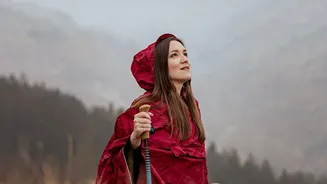
like polyester or nylon. Think in layers: a moisture-wicking base layer t-shirt, followed by a lightweight fleece for warmth if needed. Your outermost layer must be a reliable waterproof rain jacket or a poncho that can cover both you and your backpack. Pack at least one full, dry set of clothes in a sealed bag; changing into something warm and dry at the end of the day is a massive morale booster and a crucial safety measure. Trekking pants made of quick-dry material are essential for comfort and mobility.
Your First Line of Defence: Footwear
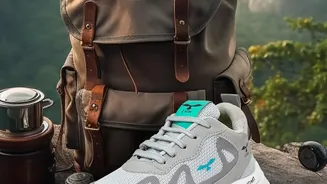
Your shoes are your connection to the slippery, unpredictable ground. Standard sports shoes or sneakers lack the necessary grip for wet, mossy rocks and muddy slopes, making them a dangerous choice. Invest in proper trekking shoes with a high ankle cut for support and a sole with deep, aggressive lugs for traction. Interestingly, many seasoned trekkers argue against fully waterproof boots for heavy rain. Water inevitably trickles down your legs and gets trapped inside, creating a personal foot-swamp. A better option can be water-resistant, breathable shoes that drain quickly, paired with waterproof socks. This combination keeps your feet drier over the long haul. Always carry a few pairs of synthetic or wool-blend socks to prevent blisters.
The Fortress: Waterproofing Your Pack
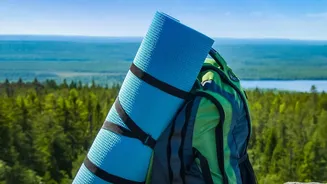
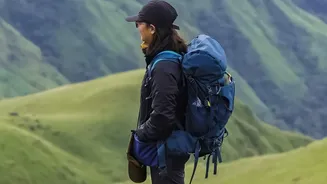
A simple rain cover for your backpack is a good start, but it's not enough to guarantee your gear stays dry in a downpour. Water can still seep through the back panel that rests against you. True waterproofing happens from the inside out. Line your entire backpack with a large, heavy-duty plastic bag (a pack liner) before you start packing. Then, compartmentalise your essentials. Use smaller waterproof dry bags to store your change of clothes, sleeping bag, electronics, and first-aid kit. This double-barrier system ensures that even if your pack gets soaked, your critical gear remains perfectly dry. Ziplock bags are a great budget-friendly option for smaller items like your phone, wallet, and snacks.
The Little Essentials: Gear and Gadgets
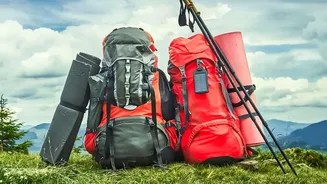
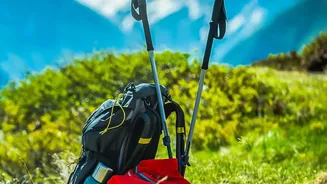
A few small items can make a huge difference in safety and comfort. Trekking poles are non-negotiable in the monsoon; they provide two extra points of contact with the ground, dramatically improving your stability on slippery descents and helping you probe the depth of muddy patches. A headlamp is essential, even on a day trek, in case you are delayed past sunset. Carry a fully charged power bank to keep your phone and navigation devices alive. Pack a basic first-aid kit containing antiseptic wipes, bandages, blister tape, pain relievers, and any personal medications. Given the current heavy rainfall alerts in the Ghats, having reliable gear is more important than ever.
The Uninvited Guests: Dealing with Leeches
If you trek in the Western Ghats during the monsoon, you will encounter leeches. The key is not to panic. They are a natural part of the ecosystem and their bites are not dangerous, though they do bleed a lot due to an anticoagulant they inject. Prevention is your best strategy. Wear long trousers and tuck them firmly into your socks. Some trekkers use specialised leech socks that go over their pants. If you find a leech attached, do not pull it off, as its teeth may get stuck in your skin. Instead, gently nudge its mouth sideways with a fingernail until it releases its grip, and then flick it away. Clean the bite area with an antiseptic to prevent infection.
Beyond the Backpack: Trail Safety
Smart packing is only half the battle. Always check the latest weather forecasts and local advisories before you leave; authorities often restrict access to certain trails during periods of heavy rain for safety reasons. Never trek alone in the monsoon. Go with a group or a certified organiser. Inform a friend or family member about your exact route and expected return time. On the trail, stick to marked paths, stay with your group, and be extremely cautious when crossing streams, as water levels can rise in minutes. The beauty of the monsoon is best enjoyed when you are prepared, respectful of the conditions, and confident in the gear on your back.