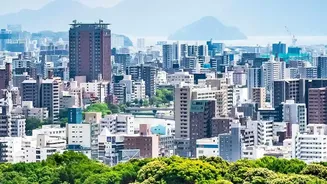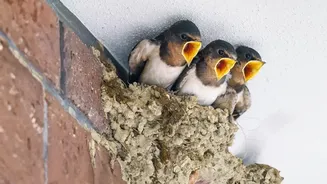

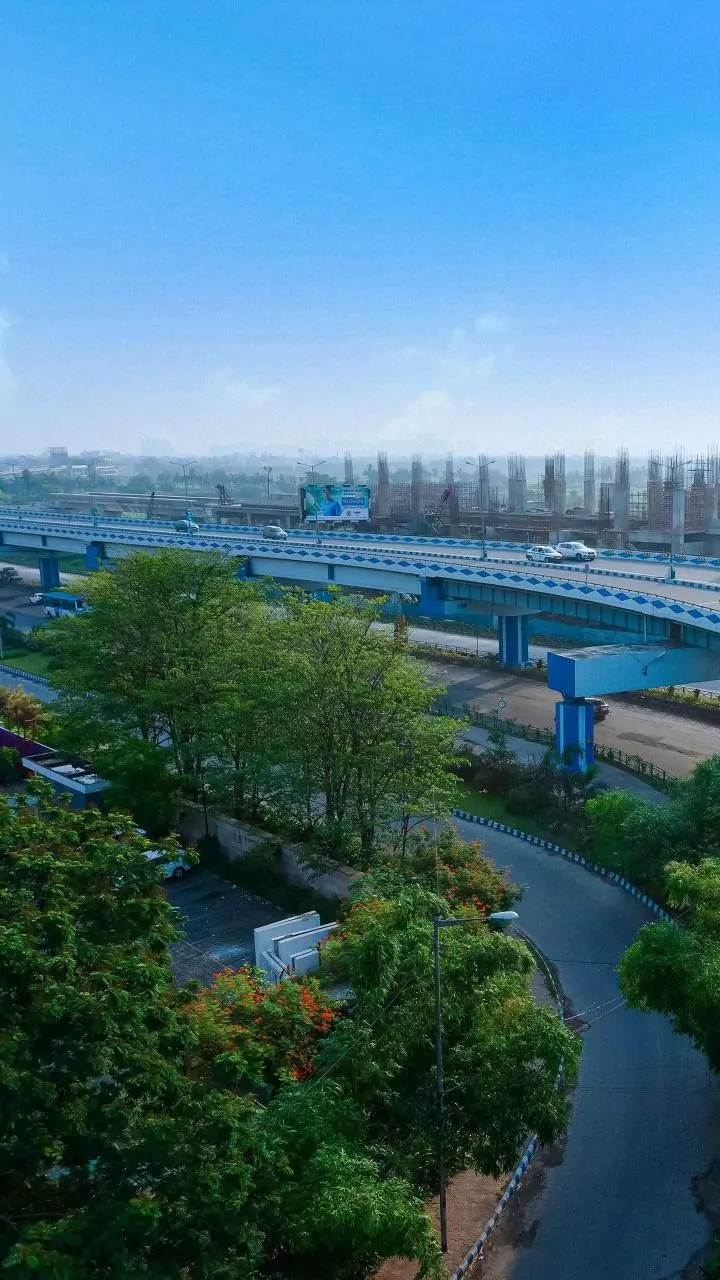



We think of cities as concrete jungles, hostile to nature. But look closer, and you’ll find a surprising story of resilience. For certain adaptable species, our urban landscapes are becoming the new wilderness, offering unexpected shelter and food.
The Accidental Sanctuaries
When
we picture a thriving ecosystem, we imagine dense forests or sprawling grasslands, not bustling city centres. Yet, as urban areas expand and natural habitats shrink, a fascinating phenomenon is unfolding: some wildlife isn't just surviving in cities, but actively thriving. These aren't just isolated incidents of a lost animal wandering into town. Ecologists are increasingly documenting how species around the globe are adapting to urban life, turning our built environments into functional, if unconventional, habitats. From Mumbai to New York, animals are demonstrating remarkable resourcefulness, forcing us to rethink the very definition of 'wild'. This process, driven by necessity, shows that nature can find a foothold in the most unexpected of places.
Meet the Urban Adapters
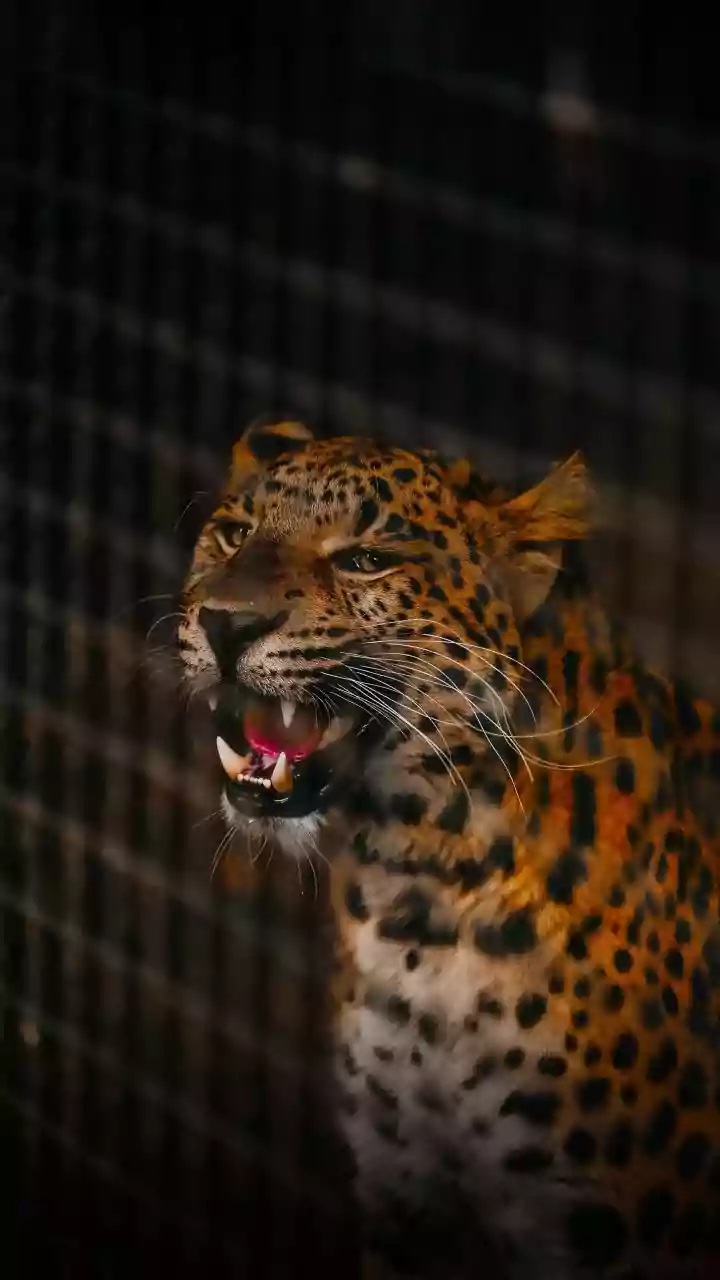
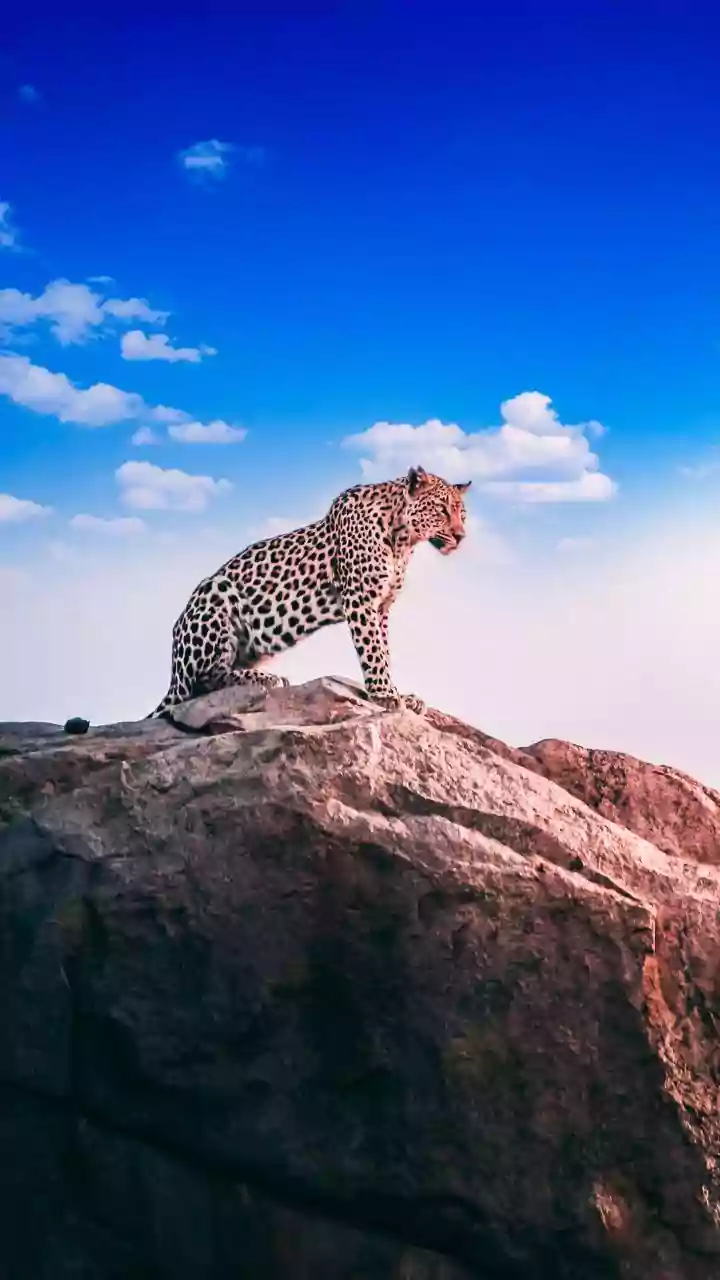
The list of urban wildlife is as diverse as the cities they inhabit. In Mumbai, the Sanjay Gandhi National Park, a vast green lung nestled within one of the world's most densely populated areas, hosts a significant population of leopards. These big cats have one of the highest densities ever reported, successfully coexisting with millions of human neighbours by adapting their hunting patterns and diet, which often includes stray dogs. Across the world, peregrine falcons, once devastated by pesticides, have made a stunning comeback by treating skyscrapers and bridges as artificial cliffs. These tall structures provide ideal nesting sites and a bird's-eye view for hunting pigeons. Meanwhile, monkeys like rhesus macaques have become masters of navigating Indian cities like Delhi and Jaipur, using temples and buildings as their forests and finding food in markets and homes. Other successful urbanites include foxes, coyotes, and raccoons, all of which have learned to exploit the unique opportunities cities offer.
The Survival Toolkit for City Life
What does it take for an animal to make it in the big city? The key is adaptability. Species that flourish are often generalists, not specialists. They have flexible diets and can switch from their natural prey to scavenging human food waste. Leopards in Mumbai, for instance, have a varied diet that helps them survive. Intelligence and a knack for problem-solving are also crucial. Raccoons are famously adept at opening bins, while birds in noisy urban areas have been observed singing at a higher pitch to be heard over the traffic. Perhaps the most important trait is a reduced fear of humans. Over time, animals in cities learn that people are a constant, predictable feature of their environment, not necessarily a direct threat. This allows them to live in close proximity to us, becoming more nocturnal to avoid direct contact and carving out their existence in the hours when the city is quietest.
A New Kind of Ecosystem
The rise of urban wildlife has led scientists to identify a new phenomenon: 'novel urban ecosystems'. These are environments created by human activity that support a mix of native and non-native species in new ways. While this showcases nature's incredible resilience, it also raises complex questions. The presence of these animals is often a direct result of their original habitats being destroyed. Their success in our cities is a story of survival, but it is not without challenges, including vehicle collisions, pollution, and human-wildlife conflict. There is an ongoing debate among conservationists about how to manage these new ecosystems. Should we embrace them as the new normal, or should we view them as a symptom of a larger environmental problem that needs addressing at its root?
Designing Cities for Coexistence
As we come to understand that we are not the only inhabitants of our cities, a new approach to urban planning is emerging: wildlife-inclusive design. Planners and architects are now looking for ways to create cities that are more hospitable to nature. This includes creating wildlife corridors—green pathways that connect fragmented habitats and allow animals to move safely. Other strategies involve installing green roofs and walls, preserving natural green spaces, using native plants in landscaping, and managing waste more effectively to reduce conflict. By considering the needs of wildlife from the start, it's possible to design urban spaces where both humans and animals can thrive, turning coexistence from an accident into a deliberate and sustainable goal.