







1. The Brittle Middle Order
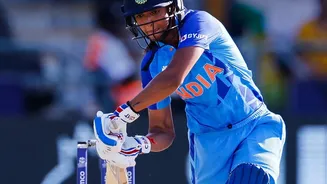
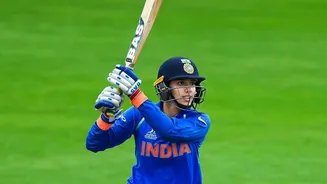
For too long, India has been overly reliant on its explosive top order. While openers Smriti Mandhana and Shafali Verma consistently provide strong starts, the batting lineup has shown a concerning fragility from numbers four to seven. The middle order's
inability to capitalize on solid platforms or stabilize the innings after a top-order wobble has cost India dearly in crucial matches. Players like Harmanpreet Kaur and Jemimah Rodrigues have struggled to accelerate and maintain momentum. This series against Zimbabwe offers Mandhana the perfect opportunity to instill confidence in her middle-order batters, define their roles clearly, and test combinations to find a reliable engine room. A failure to build partnerships in the middle overs puts immense pressure on the finishers and can turn a winning position into a losing one.
2. The Death Bowling Dilemma
Another recurring nightmare for the team has been its inability to control the flow of runs in the final overs. India's bowlers have often been brilliant in the powerplay and middle phases, only to leak runs heavily at the death. This weakness has allowed opponents to post formidable totals or chase down scores that should have been defendable. As captain, Mandhana must identify and trust a core group of bowlers to handle this high-pressure phase. Whether it's empowering spinners like Deepti Sharma to take on the challenge or developing a young pacer with the right skills for the job, finding a solution is non-negotiable. The Zimbabwe series will be a low-pressure environment to experiment with field placements, bowling changes, and strategies to finally solve this death-overs puzzle before facing stronger teams like Australia and England.
3. The Fielding Question
Dropped catches, misfields, and missed run-out opportunities have plagued the team, often at the most critical moments of a game. According to recent statistics, India's catching efficiency has been among the lowest of the top international teams, a glaring weakness that undermines the efforts of the bowlers. While head coach Amol Muzumdar has acknowledged the issue and the hard work being put in, the on-field results have yet to consistently improve. Fielding is an attitude, and as the new leader, Mandhana has the authority to set a higher standard. Her own agility in the field is a benchmark, but she must now foster a culture of excellence where every player takes pride in saving every run and holding onto every chance. Consistently poor fielding suggests a lapse in concentration and fitness, areas that a captain can directly influence through discipline and leading by example.
4. Building a Resilient Bench
Winning tournaments requires more than just a strong starting eleven; it demands a resilient and ready bench. In the past, India has struggled when key players are injured or out of form, revealing a lack of depth and experience in the reserves. A series against a team like Zimbabwe provides the ideal platform to blood new talent and give fringe players valuable game time. Mandhana's leadership will be judged not just by her wins, but by her ability to build a team for the future. By entrusting younger players like Pratika Rawal or Kamalini with responsibility in a competitive environment, she can begin to nurture the next generation of match-winners. This foresight is crucial for long-term success and ensuring the team remains competitive through transitional periods, moving away from a dependency on a few senior stars.