



Not All Rice Is Created Equal
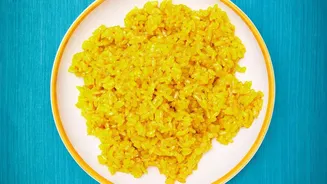
Walking down the rice aisle reveals a world far beyond standard long-grain white or brown rice. From aromatic Basmati and Jasmine to nutrient-dense red, black, and wild rice, each variety possesses unique characteristics. These differences in grain size,
starch content, and bran layer thickness mean they behave very differently in the pot. A cooking method that yields perfect, fluffy Basmati might turn short-grain sushi rice into a gluey paste or leave black rice crunchy and underdone. The instructions on the package are your first and best guide, tailored by the producers who know their specific grain's properties.
The First Crucial Step: To Rinse or Not to Rinse?
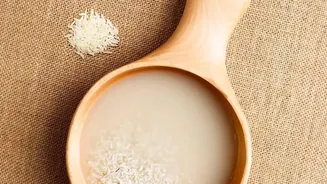
Many packages will instruct you to rinse your rice under cold water until it runs clear. This isn't just about cleanliness; it's about texture. Rinsing washes away excess surface starch, which is the main culprit behind clumpy, sticky rice. For dishes where separate, distinct grains are desired, like a pilaf or biryani, this step is non-negotiable. However, some dishes, such as risotto or paella, rely on that very starch to create their signature creamy consistency. For these, the package will likely tell you to skip the rinse. Glutinous or sticky rice may require soaking instead of rinsing to achieve its desired texture. Always check the guidance, as it is based on the final texture the rice is meant to have.
The Golden Ratio of Water to Rice
Perhaps the most common rice-cooking mistake is using the wrong water-to-rice ratio. There is no universal rule. While a 2:1 ratio is a common starting point, it is often incorrect. For example, long-grain white rice might require 1.5 to 1.75 cups of water per cup of rice, while brown rice, with its tough outer bran, often needs 2 to 2.25 cups. Short-grain rice typically needs less water, closer to a 1.2:1 ratio. Too much water results in mushy, waterlogged grains, while too little leaves you with a burnt pot and hard, uncooked centers. The package instructions provide a ratio tested for that specific grain, saving you from frustrating guesswork.
Patience with Time and Temperature
Different rice varieties also demand different cooking times and heat management. While white rice might be done in 15-20 minutes, whole grains like brown, red, or black rice can take much longer, often 40-50 minutes, due to their fibrous bran layer. Many package instructions will tell you to bring the water to a boil, then immediately reduce the heat to a low simmer and cover the pot. Cooking rice on high heat will cause the water to evaporate too quickly, long before the grains have had a chance to absorb it and soften. It’s also crucial to resist the temptation to peek or stir. Lifting the lid releases steam, which is essential for gentle, even cooking, and stirring can break the grains and release starches, leading to a gummy texture.
The Final, Critical Rest
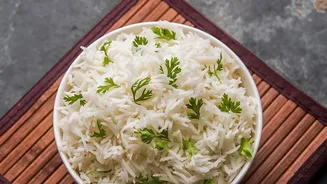
Many recipes and package directions will instruct you to let the rice stand, covered and off the heat, for 5 to 10 minutes after the cooking time is up. This step is not optional; it’s a crucial part of the process. This resting period allows the moisture to redistribute evenly throughout the grains, ensuring a uniform texture and finishing the cooking process with gentle residual steam. Fluffing the rice with a fork after it has rested separates the grains, giving you that light, fluffy result you’re looking for.