




Understanding the Vrat Pantry Swap
The foundation of Navratri cooking lies in knowing what to use and what to avoid. Regular grains like wheat and rice, lentils, onions, and garlic are typically set aside. The pantry gets a temporary makeover, bringing fasting-friendly ingredients to the
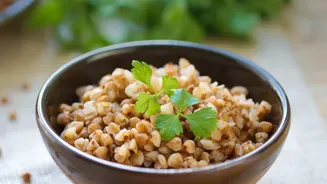
forefront. Regular table salt is replaced with sendha namak (rock salt). Flours such as kuttu (buckwheat), singhara (water chestnut), and rajgira (amaranth) become the new staples. For a rice-like texture, sama ke chawal (barnyard millet) is the preferred choice. This simple swap is the first step in turning a regular meal into a 'vrat' friendly one.
Reimagining Dals and Grains
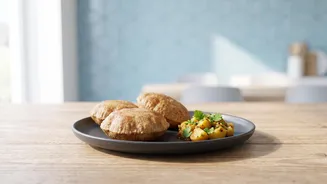
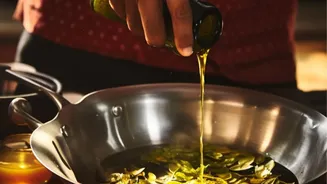
Since lentils and regular grains are avoided, the heart of many Indian meals needs a rethink. Instead of a traditional dal, families often create yogurt-based curries or 'kadhi' thickened with a small amount of singhara or rajgira flour. These are light and pair beautifully with vrat-friendly flatbreads. Regular rotis and puris are easily adapted by using kuttu or singhara atta. A tip to make these rotis softer is to roast the flour lightly in ghee before kneading with warm water. For rice lovers, barnyard millet (sama) serves as a fantastic substitute, perfect for making a simple pulao with potatoes and peanuts.
The Versatile Role of Potatoes and Vegetables
Potatoes become an indispensable hero during Navratri. A simple 'aloo jeera', tossed in ghee with cumin and green chillies, is a quick and satisfying dish that pairs with almost anything. Many families adapt their everyday 'sabzis' by replacing restricted vegetables with allowed ones like potato, sweet potato, pumpkin, and raw banana. For instance, a regular potato curry can be made by creating a gravy of tomatoes, ginger, and green chillies, seasoned with sendha namak instead of the usual spice mix. Sweet potato can be boiled, cubed, and turned into a delicious chaat with a squeeze of lemon and a sprinkle of rock salt and pepper.
Mastering the Spices and Seasonings
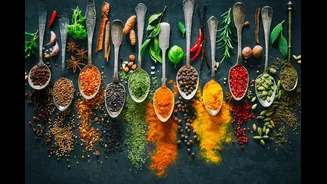
Flavour is not compromised during Navratri; it's just approached differently. With onion and garlic off the menu, the tempering or 'tadka' relies on cumin seeds, green chillies, and sometimes finely chopped ginger. Rock salt is the primary seasoning. Spices like black pepper, cloves, and cinnamon are often used to add warmth and aroma to dishes. Fresh coriander and a squeeze of lemon juice are typically added at the end to brighten up the flavours of a sabzi or khichdi. This minimalist spice palette encourages a focus on the natural taste of the ingredients.
Creative Snacks and Desserts
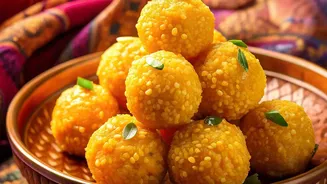
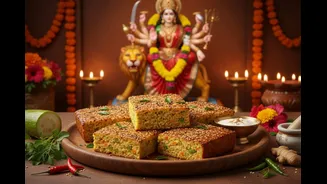
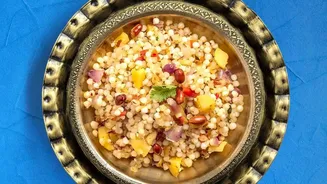
Everyday snacks also get a 'vrat' makeover. Sabudana (tapioca pearls), once soaked, can be transformed into the classic khichdi or vadas. Some even use sabudana and samak rice to create a batter for a fasting-friendly dhokla. Makhana (fox nuts) can be simply roasted for a crunchy snack or turned into a rich kheer for dessert. Regular desserts are adapted by using milk, fruits, nuts, and jaggery. For instance, a simple shakarkandi (sweet potato) kheer can be a comforting end to a meal, made with milk, cardamom, and nuts.