

The Eco-Conscious Kitchen
In a world increasingly aware of its environmental footprint, the kitchen has become a key area for positive change. Food waste is a significant global issue, with bread being one of the most commonly discarded items. Conscious cooks are pushing back,
not just by buying less, but by using more of what they have. This philosophy, often called 'root-to-stem' or 'nose-to-tail' cooking, is about finding value in every part of an ingredient. For bread, this means looking beyond its initial fresh state and embracing its potential as it becomes stale. This isn't just about saving money; it's a mindful practice that reduces landfill waste and honours the resources that went into producing the food in the first place.
A Mediterranean Tradition
Using stale bread is not a new trend but an ancient tradition, deeply rooted in the 'cucina povera' or 'peasant cooking' of the Mediterranean. In regions like Italy, Spain, and Greece, wasting food was never an option. Generations of home cooks developed ingenious recipes to transform humble, leftover ingredients into spectacular meals. Dishes like Italian Panzanella salad, Ribollita soup, and Spanish Gazpacho were all born from the need to use up day-old bread. The bread wasn't just a filler; it was a key component that added texture, body, and substance, turning simple vegetable dishes into hearty, satisfying meals.
Skordalia: The Creamy Garlic Wonder
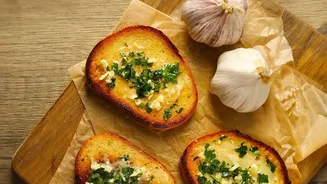
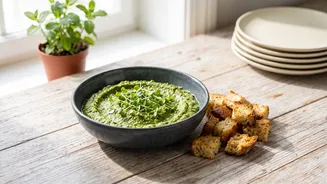
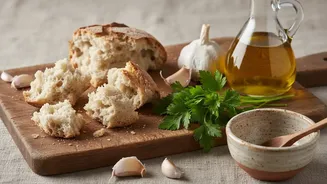
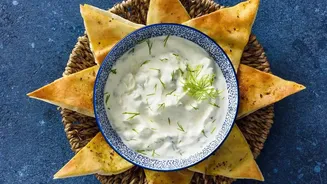
One of the most powerful examples of this is Skordalia, a thick, pungent garlic dip from Greece. While some versions use potatoes as a base, the classic preparation often calls for stale bread soaked in liquid. The bread is squeezed of excess water and then pounded or blended with a generous amount of garlic, high-quality olive oil, and a splash of vinegar or lemon juice. The result is a creamy, emulsified spread that is surprisingly rich and complex. The stale bread provides the perfect starchy structure to absorb the oil and create a smooth, luxurious texture that fresh bread simply couldn't achieve.
Gazpacho: A Chilled Soup Secret
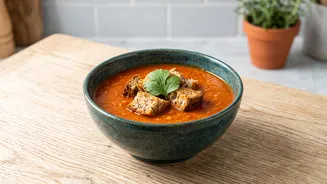
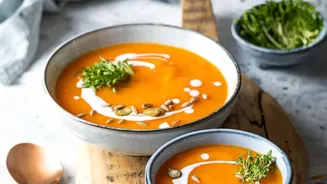
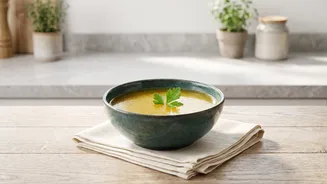
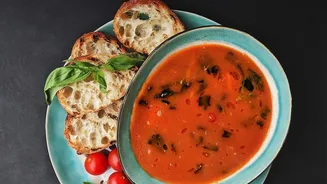
Similarly, authentic Spanish gazpacho often contains a surprising ingredient: a slice of stale bread. This chilled raw vegetable soup, a staple in hot Spanish summers, gets its signature thick, almost mousse-like consistency from bread. The stale bread is typically soaked in the juices released by the tomatoes or a little water before being blended with tomatoes, cucumbers, peppers, and garlic. It acts as a natural thickener and emulsifier, binding the oil and water-based vegetables into a silky, cohesive soup that is both refreshing and substantial.
Beyond Dips and Soups
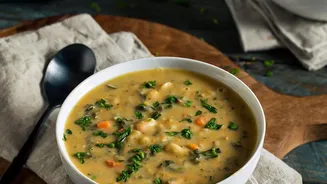
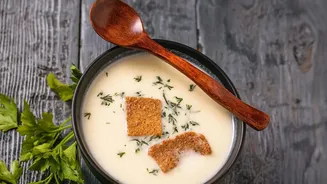
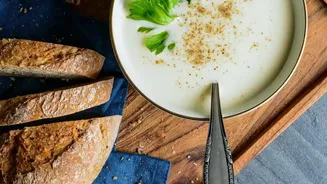
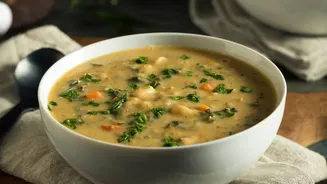
The utility of stale bread doesn't end with dips. Across Italy, you'll find Ribollita, a hearty Tuscan soup where stale bread is stirred in to break down and thicken the vegetable and bean stew. Panzanella is a vibrant Tuscan salad where chunks of rehydrated stale bread soak up a vinaigrette and the juices of ripe tomatoes. In the Middle East, stale pita is baked until crisp and used to create Fattoush salad. And, of course, the simplest uses are often the best: processing dry bread into breadcrumbs for coating or topping dishes, or toasting it into crunchy croutons for salads and soups.