





The Authenticity Gap
The single biggest failure of AI-generated resumes is their lack of personality. Hiring managers and recruiters read hundreds of applications, and they are becoming adept at spotting the robotic, generic language produced by AI tools. Phrases like "adept,"
"tech-savvy," and "cutting-edge" are now common red flags that suggest a candidate relied too heavily on a machine. A recent survey revealed that 62% of employers are more likely to dismiss a resume if it lacks personalization, as it signals a lack of genuine interest in the role. Your resume is a marketing document for your unique career story, but AI tends to smooth over the very details—specific projects, unique challenges, and personal contributions—that make you stand out. The result is a document that is technically perfect but utterly forgettable.
The Over-Optimisation Problem
Many job seekers turn to AI to beat the Applicant Tracking Systems (ATS), the software that scans resumes for keywords before a human ever sees them. AI tools are excellent at identifying and stuffing a resume with these keywords. However, this often backfires. Keyword stuffing makes a resume sound unnatural and automated to the human recruiter who eventually reads it. Furthermore, while older ATS versions relied on simple keyword matching, modern AI-driven screening tools are more sophisticated. They can understand context, synonyms, and the relevance of experience, meaning that a document packed with keywords but lacking a coherent narrative about your achievements might still get filtered out or ranked poorly. The goal is to weave keywords naturally into descriptions of your accomplishments, not just list them.
The Hallucination Hazard
One of the most dangerous pitfalls of using AI is its tendency to "hallucinate" or fabricate information. An AI tool might confidently invent metrics, such as claiming you "increased efficiency by 35%" without any data to back it up. It might also exaggerate your role, promoting you from a team contributor to the project leader. These fabrications can be disastrous. An interviewer will almost certainly ask you to elaborate on the impressive numbers or leadership claims on your resume. If you can't explain how you measured that 35% improvement or describe your leadership strategy, your credibility is destroyed, and your candidacy is likely over. In fact, 94% of employers have encountered inaccuracies in AI-generated applications, making them highly skeptical of overly polished claims. Always verify every single detail and metric the AI generates.
Formatting Fails and Technical Errors
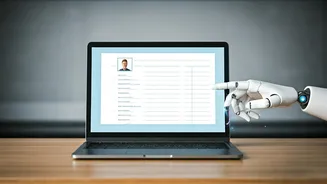
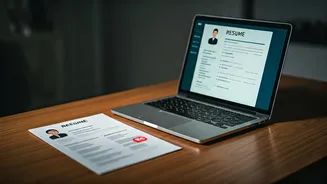
While AI promises polished formatting, it can sometimes create layouts that are visually appealing but hostile to ATS parsers. Complex designs, columns, graphics, or unusual fonts can confuse the software, causing it to misread or reject your resume entirely. For this initial screening stage, a clean, simple, single-column format is almost always the safest bet. Beyond major formatting errors, AI can also introduce subtle mistakes, like inconsistent spacing or using boilerplate text that you forget to replace. These small errors can signal carelessness to a detail-oriented hiring manager, undermining the professional image you're trying to project.
How to Use AI the Right Way
Despite these risks, AI can be a powerful assistant if used correctly. Think of it as a collaborator, not a ghostwriter. Use AI to brainstorm ideas, improve your grammar, and create concise, impactful bullet points based on the achievements you provide. Feed it a specific job description and ask it to help you identify the most important skills to highlight, ensuring you then weave those skills into your own authentic experience. It can be an excellent tool for analysing a job description to find keywords or suggesting stronger action verbs. However, the final product must be thoroughly edited by you. Personalize the summary, verify every fact, and ensure the tone reflects your voice. The goal is to merge AI's efficiency with your irreplaceable human authenticity.