






The Appeal of Going Low
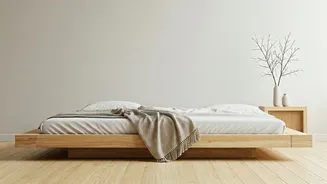
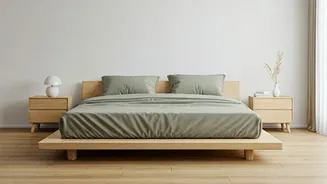
The core of this trend lies in the bed's low-slung design. A low-profile platform bed sits closer to the ground, creating an immediate sense of spaciousness. By lowering the room's main focal point, you open up the vertical space above it, making ceilings
feel higher and the room feel larger and more airy. This is particularly effective in smaller city apartments or rooms with lower ceilings. Beyond the visual trick, there's a psychological element at play. The grounding nature of a low bed connects us to the space, fostering a feeling of stability and calm that is essential for a restful environment. It’s a design choice that rejects grandeur in favour of a more humble, grounded, and mindful aesthetic, aligning perfectly with the principles of modern minimalism.
Why Wood Works Wonders
Minimalism can sometimes be misconstrued as cold or sterile, filled with stark whites and hard lines. This is where the choice of a wooden frame becomes crucial. Wood introduces natural warmth, texture, and organic character into the room, providing a perfect counterbalance to the clean lines of minimalist design. Whether it’s the rich, dark tones of walnut, the pale and serene look of maple or birch, or the classic, sturdy feel of oak, wood brings a piece of nature indoors. The grain of the wood tells a story, adding a layer of visual interest without creating clutter. This material choice ensures the bedroom feels inviting and liveable, not like a sterile gallery. It proves that minimalism is not about emptiness, but about the intentional inclusion of beautiful, functional, and meaningful materials.
Choosing Your Foundation
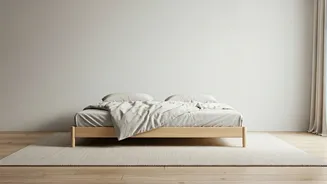
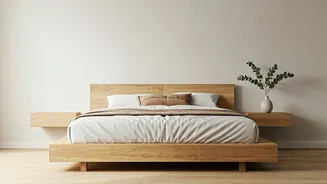
Selecting the right low-profile wooden bed is the first step. Consider the overall colour palette of your room. Lighter woods like pine or ash work well in Scandinavian-inspired minimalist rooms, enhancing the sense of light and space. Darker woods like teak or mango can create a more dramatic, sophisticated look, especially when paired with neutral walls. Pay attention to the construction. A true platform bed does not require a box spring; the mattress sits directly on a solid or slatted surface, contributing to the sleek, low silhouette. Some designs are incredibly simple—just a clean, rectangular frame—while others might feature a low, integrated headboard or subtle design details like floating legs that enhance the sense of lightness.
Styling the Minimalist Sanctuary
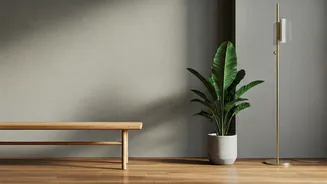
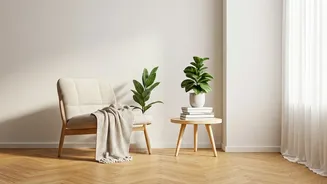
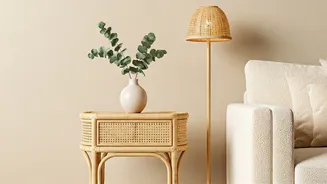
With the bed as your anchor, styling the rest of the room is about careful curation. For bedding, opt for high-quality natural fabrics like linen or organic cotton in solid, muted colours—think soft whites, greys, beige, or earthy tones. Texture is your friend; a chunky knit throw or a few well-chosen cushions can add warmth without noise. Flank the bed with simple, low nightstands. They don’t have to match but should be complementary in material and scale. A simple wooden block, a small metal stool, or a floating shelf can work beautifully. For lighting, ditch the oversized ceiling fixture for a subtle pendant light hung low over a nightstand or a minimalist floor lamp in a corner. The final rule is to keep surfaces clear. A book, a small plant, and a lamp are enough. The goal is to eliminate visual clutter so the mind can rest.
Beyond the Look
While the aesthetic is compelling, the practical benefits are also significant. The absence of a bulky frame and box spring means less to clean under and around. The simple design of a platform bed often translates to a sturdier, more silent base for your mattress, contributing to a better night’s sleep. More importantly, adopting this style encourages a minimalist mindset. When your bed and its surrounding layout are intentionally simple, it inspires you to maintain that sense of order throughout the space. It’s not just about buying a new bed; it’s about committing to a more peaceful, uncluttered way of living within your most personal space.