




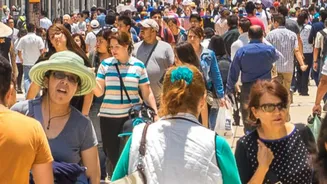
There’s no better way to feel the pulse of a city than by walking its streets. Some are more than just a path—they are destinations in themselves, rich with art, history, and life. Here are ten streets that truly reward those who explore them on foot.
Hosier Lane, Melbourne, Australia
A world-renowned canvas for street art, this cobblestone laneway is a dynamic open-air gallery. Since the late 1990s, it has become a must-see Melbourne attraction, a de facto 'free-to-paint' zone where the art is constantly changing. The walls, windows, and even bins are covered in a vibrant explosion of stencils, murals, and paste-ups from local and international artists. Walking through Hosier Lane and its adjoining Rutledge Lane is an immersion into the city’s raw, creative energy, offering a different experience with every visit as new layers of art cover the old.
La Rambla, Barcelona, Spain
Stretching 1.2 kilometres from Plaça de Catalunya to the port, La Rambla is Barcelona’s most famous pedestrian boulevard. Its design inverts the norm, placing a wide walkway in the centre for people, with narrow traffic lanes on the sides. A walk here takes you past historic landmarks, street performers, and the bustling La Boqueria market. Spanish poet Federico García Lorca once said it was 'the only street in the world which I wish never ended'. While it can be crowded, an early morning stroll reveals its true charm, connecting you to the Gothic Quarter and El Raval on either side.
The Shambles, York, England
To walk down The Shambles is to step back into medieval England. This narrow, cobbled street is one of the best-preserved of its kind in Europe. Its name comes from 'flesh-hammels', the shelves on which butchers once displayed meat. The timber-framed buildings, some dating to the 14th century, lean so close together their upper floors nearly touch overhead, a design that once sheltered the meat from the sun. Today, the butcher shops have been replaced by quaint boutiques, tea rooms, and shops that add to its magical atmosphere, which many compare to Diagon Alley from the Harry Potter series.
Via dei Fori Imperiali, Rome, Italy
Connecting Piazza Venezia to the Colosseum, this street is a breathtaking walk through the heart of ancient Rome. Created in the 1930s, the grand boulevard is flanked by the ruins of the Imperial Forums of emperors like Caesar, Augustus, and Trajan. While it has a complex modern history, the experience of strolling past two millennia of history is unparalleled. An evening walk during the golden hour offers epic views of the ruins, and on many Sundays, the street is pedestrian-only, allowing for an even more immersive journey back in time. It’s a living museum, completely open and free to explore.
The Blue Streets of Chefchaouen, Morocco
The entire old medina of Chefchaouen is a walker's paradise, famous for its buildings washed in countless shades of blue. Nestled in the Rif Mountains, the city’s narrow, winding alleyways create a surreal and calming atmosphere. The tradition is said to have been started by Jewish refugees in the 20th century, with blue representing divinity. Exploring here is about wandering without a plan, discovering unique doorways, colourful flowerpots, and quiet squares. Compared to other Moroccan cities, Chefchaouen offers a more laid-back pace, making it perfect for unhurried exploration on foot.
Acorn Street, Boston, USA
Often called the most photographed street in America, Acorn Street in Beacon Hill is a beautifully preserved piece of 19th-century Boston. This narrow lane with its authentic cobblestone road was originally home to artisans and coachmen serving the wealthy families of the neighbourhood. The charming Federal-style brick row houses, gas lanterns, and flower boxes have remained largely unchanged for two centuries. As a private way, its residents have worked to preserve its historic character. Walking here feels like stepping onto a movie set, offering a quiet, picturesque escape into the city’s past.
Rue Crémieux, Paris, France
A short, cobbled, pedestrian-only street near Gare de Lyon, Rue Crémieux is a delightful burst of colour. Originally built as housing for workers in 1857, the residents collectively decided to paint their house-fronts in a rainbow of pastel shades in the 1990s. The result is a charming, whimsical block that stands in stark contrast to Paris's grand Haussmannian boulevards. Adorned with potted plants and the occasional trompe-l'œil mural, this street feels like a secret village hidden within the city, offering a cheerful and unique Parisian walking experience.
Shibuya Crossing, Tokyo, Japan
While not a traditional street for a leisurely stroll, Shibuya Crossing offers one of the most electrifying pedestrian experiences on the planet. It is not just a street, but a famous intersection between Harajuku and Shibuya. When the traffic lights turn red, vehicles stop in all directions and a flood of pedestrians surges into the intersection from every side. This 'scramble' is a powerful symbol of Tokyo's energy and order. For a unique walking experience, join the organized chaos yourself. For the best view, grab a window seat at the Starbucks in the Tsutaya building overlooking the crossing.
Cockburn Street, Edinburgh, Scotland
This curving Victorian street elegantly snakes its way from the Royal Mile down toward Waverley Station. Lined with tall, sandstone tenement buildings, its charm lies in its collection of independent shops, from vintage clothing and antique stores to quirky gift shops and specialty cafes. Unlike more tourist-heavy streets, Cockburn Street retains a distinctly local feel. Exploring its length means discovering hidden gems, from a photography gallery to a cosy coffee spot, all while enjoying the unique architecture that climbs the hillside, making it a rewarding walk in Edinburgh’s Old Town.
Strøget, Copenhagen, Denmark
One of Europe's longest pedestrian-only shopping streets, Strøget stretches over a kilometre through the heart of Copenhagen. It has been car-free since 1962, a move that pioneered a shift toward more pedestrian-friendly urban planning globally. The street is a vibrant mix of high-end international brands and affordable stores, making it popular with locals and tourists alike. More than just a shopping destination, it's a social hub where you can enjoy street performers, historic squares, and a lively atmosphere that captures the city's welcoming and accessible spirit.